Mister Blues

Blues
Contemporary Blues
Folk Rock
 Viberate Rank: 296789
 Viberate Rank: 296789
 Monthly ListenersFollowers
 Subscribers
 Followers
 Followers
 FansTop Spotify Songs
| Track | 7-Day Streams | |
|---|---|---|
1 | 93 | |
2 | 93 | |
3 | 85 | |
4 | 48 | |
5 | 45 |
Top YouTube VideosMonthly ListenersFeatured in PlaylistsAudience| City | Monthly Listeners | |
|---|---|---|
1 | | 16 |
2 | | 9 |
3 | | 7 |
4 | | 7 |
5 | | 6 |
See full performance history, audience data, playlist activity, rankings, comparisons, and more in Viberate music analytics. Start with a free trial, then continue with a paid plan.
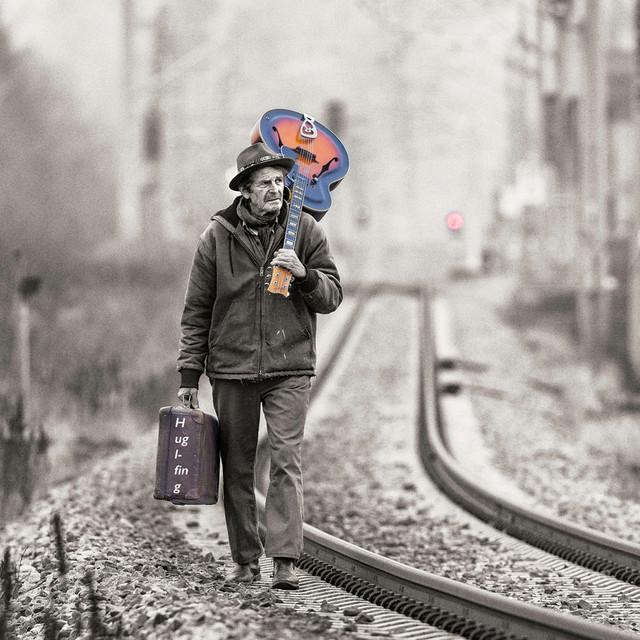
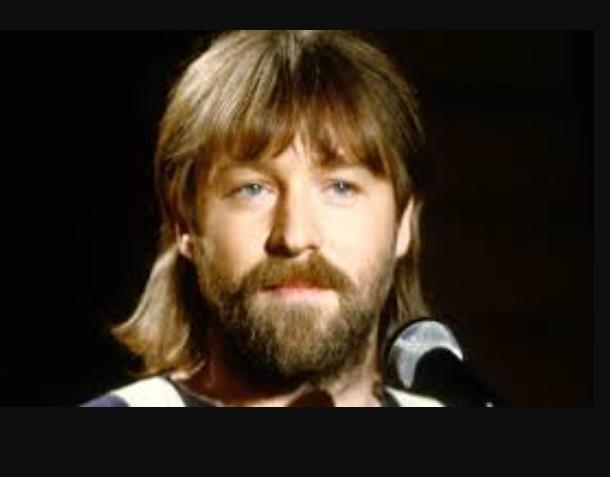
Mister Blues’ Spotify BioFusing the sounds of the past with present day Germany’s experiences, “Mister Blues” create folk-, blues-, bluesrock-, rockabilly-, and poprock-music. Born in 1961 and 1962 respectively, Torsten Buncher (harp) and Bert Halbwachs (git) developed an early interest in music. Having played in folk- and blues-bands they started gigging together in the mid-90s. Later on they formed the storytelling duo “Mister Blues” and travelled northern Germany, playing Piedmont style blues including loads of wordplay and innuendo. Soon the duet was famed for their bawdy blues and farm stories. In 2009 Chris Beuthner (bass) and Michael Habich (drums) joined Mister Blues and added volume to the sound. The quartette play 40+ concerts a year in Germany and have so far released 6 CDs. "Stories made of blues" is their motto, the four-member band clads all and sundry’s words in musical blues-robes. Their lyrics are full of linguistic wit and filled with puns and metaphors. Amusing and thought-provoking… everyday situations are sketched so sharply that the audience find themselves depicted. Throughout the concerts listeners are reminded of their own childhood, when Torsten sings about his mother's advice in "Mutti sacht", or Bert about every mother’s standard reminder "We are not a Hottentotten Verein". Yet life’s hardships from redundancy and poverty to domestic violence are not excluded from the programme.Stand-up comedy, cabaret and deep down blues all in one. Who would ask for more?
Viberate is a music analytics platform built for A&Rs, artist managers, labels, booking agents, marketers, and artists.
It helps music professionals track artist growth, analyze audience data, monitor playlist activity, compare artists, follow song performance, and identify opportunities across the music market.
Public artist pages provide a free preview of selected artist data. Paid plans provide access to deeper analytics, historical data, charts, comparisons, playlist tools, exports, alerts, reports, and additional professional features.
Yes. Public Viberate artist pages provide selected artist analytics and music data for free.
Viberate also offers a 7-day free trial of the full platform. A credit card is required to start the trial. The trial includes access to the complete product so users can test deeper artist analytics, historical views, playlist insights, comparisons, charts, exports, alerts, and reporting features before choosing a paid plan.
Viberate provides artist analytics across streaming, playlists, social media, video, radio airplay, songs, and audience markets.
Users can analyze Spotify performance, Spotify and Apple Music playlists, YouTube activity, TikTok and Instagram growth, radio spins, song performance, audience locations, demographics, rankings, and overall artist momentum.
Artist profiles also connect to music charts, similar artists, and comparison tools, helping users benchmark performance and evaluate artists in context.
Viberate updates key artist and track data daily.
For followed artists and tracks, selected data is refreshed multiple times per day. This helps teams monitor playlist changes, streaming movement, audience growth, releases, and campaign performance with more current data.
Update frequency can vary depending on the metric and data source.
Yes. Viberate lets users compare up to five artists side by side across streaming, social media, audience, and engagement metrics.
Users can compare fanbase growth, audience demographics, locations, Spotify performance, social metrics, and other artist data over selected time periods.
Artist comparison can be used for A&R scouting, benchmarking, booking decisions, campaign planning, and evaluating artists with similar audiences or market positions.