Missy Mazzoli

Classical
Chamber Music
 Viberate Rank: 147989
 Viberate Rank: 147989
 Monthly ListenersFollowers
 Subscribers
 Followers
 Followers
 FansTop Spotify Songs
| Track | 7-Day Streams | |
|---|---|---|
1 | 273 | |
2 | 185 | |
3 | 157 | |
4 | 145 | |
5 | 138 |
Top YouTube Videos| Video | 7-Day Views | |
|---|---|---|
1 | 90 | |
2 | 26 | |
3 | 21 | |
4 | 20 | |
5 | 14 |
Monthly ListenersFeatured in Playlists| Playlist | Followers | |
|---|---|---|
1 |  Mozart in the Jungle Ezgi Varol | 31.87K |
2 |  NPR Classical NPR Music | 14.44K |
3 | Mozart in the Jungle, Seasons 1-4 Lawrence Chen | 9.38K |
4 |  Neo Classicals Alen Golpashin | 7.79K |
5 |  Night Tracks on BBC Radio 3 Hannah Peel | 5.85K |
Audience| City | Monthly Listeners | |
|---|---|---|
1 | | 238 |
2 |  | 189 |
3 | | 135 |
4 |  | 116 |
5 | | 111 |
See full performance history, audience data, playlist activity, rankings, comparisons, and more in Viberate music analytics. Start with a free trial, then continue with a paid plan.
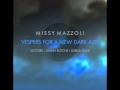
Missy Mazzoli’s Spotify BioAmerican composer Missy Mazzoli emerged in the 2010s as a popular composer in New York and beyond. Much of her music falls into the conventional genres of opera, orchestral music, and chamber music, but she has worked with indie rock musicians as well and appealed to fans of that genre also. Her music has been diffused partly through a band of her own creation as well as through performances by established ensembles.
Mazzoli was born in Lansdale, Pennsylvania, on October 27, 1980. She attended the Yale School of Music, the Royal Conservatory of the Hague (studying there with Louis Andriessen, a major influence), and Boston University. Among her other teachers were Aaron Jay Kernis, John Harbison, Richard Ayres, and David Lang. She taught composition for a year at Yale and then moved to New York to take a position as executive director of the MATA Festival, oriented toward the promotion of young composers, between 2007 and 2010. During this period she founded the quintet Victoire for the… performances of her own compositions; with its mix of electronic and acoustic instruments, it lay somewhere between a band and a classical chamber ensemble. She has released three albums with Victoire, beginning with Cathedral City in 2010; the 2012 album Song from the Uproar was drawn from Mazzoli's first opera, and 2015's Vespers for a New Dark Age featured percussionist Glenn Kotche (of the alternative country band Wilco). It was for vocal works, including Song from the Uproar (based on the story of Swiss explorer Isabelle Eberhardt), that Mazzoli first gained wide attention. For that and for subsequent operas, she has collaborated with librettist Royce Vavrek, dubbed "the indie Hoffmansthal." Song from the Uproar was performed by several American companies and had its premiere in Vienna in 2018. Mazzoli's 2016 opera Breaking the Waves was based on the 2006 film of the same name by controversial Danish director Lars von Trier; that work, co-commissioned by Philadelphia Opera, won the Music Critics of North America Association Award for Best New Opera. Mazzoli has also been a prolific composer of instrumental music, with works performed by, among others, the BBC Symphony, the Kronos Quartet, the JACK Quartet, eighth blackbird, the Detroit Symphony, the American Composers Orchestra, the Australian Chamber Orchestra, and the Los Angeles Philharmonic. Performers are attracted to her music range, notably, from established traditional ensembles to contemporary groups of various kinds. In 2018 Mazzoli, selected by conductor Riccardo Muti, earned a two-season, composer-in-residence slot with the Chicago Symphony Orchestra, and her opera Proving Up was premiered that year. She is on the faculty at Mannes College of Music.
Viberate is a music analytics platform built for A&Rs, artist managers, labels, booking agents, marketers, and artists.
It helps music professionals track artist growth, analyze audience data, monitor playlist activity, compare artists, follow song performance, and identify opportunities across the music market.
Public artist pages provide a free preview of selected artist data. Paid plans provide access to deeper analytics, historical data, charts, comparisons, playlist tools, exports, alerts, reports, and additional professional features.
Yes. Public Viberate artist pages provide selected artist analytics and music data for free.
Viberate also offers a 7-day free trial of the full platform. A credit card is required to start the trial. The trial includes access to the complete product so users can test deeper artist analytics, historical views, playlist insights, comparisons, charts, exports, alerts, and reporting features before choosing a paid plan.
Viberate provides artist analytics across streaming, playlists, social media, video, radio airplay, songs, and audience markets.
Users can analyze Spotify performance, Spotify and Apple Music playlists, YouTube activity, TikTok and Instagram growth, radio spins, song performance, audience locations, demographics, rankings, and overall artist momentum.
Artist profiles also connect to music charts, similar artists, and comparison tools, helping users benchmark performance and evaluate artists in context.
Viberate updates key artist and track data daily.
For followed artists and tracks, selected data is refreshed multiple times per day. This helps teams monitor playlist changes, streaming movement, audience growth, releases, and campaign performance with more current data.
Update frequency can vary depending on the metric and data source.
Yes. Viberate lets users compare up to five artists side by side across streaming, social media, audience, and engagement metrics.
Users can compare fanbase growth, audience demographics, locations, Spotify performance, social metrics, and other artist data over selected time periods.
Artist comparison can be used for A&R scouting, benchmarking, booking decisions, campaign planning, and evaluating artists with similar audiences or market positions.