Mississippi Fred McDowell

Blues
Classic Blues
Contemporary Blues
 Viberate Rank: 105419
 Viberate Rank: 105419
 Monthly ListenersFollowers
 Subscribers
 Followers
 Followers
 FansTop Spotify Songs
| Track | 7-Day Streams | |
|---|---|---|
1 | 14.67K | |
2 | 3.20K | |
3 | 3.20K | |
4 | 3.20K | |
5 | 3.20K |
Top YouTube VideosMonthly ListenersFeatured in Playlists| Playlist | Followers | |
|---|---|---|
1 |  Acoustic Blues Spotify | 873.79K |
2 |  meme songs arthur.ramse | 72.60K |
3 |  Greatest Blues Jared Kerkhof | 56.21K |
4 |  The Sound of Everything The Sounds of Spotify | 53.83K |
5 | 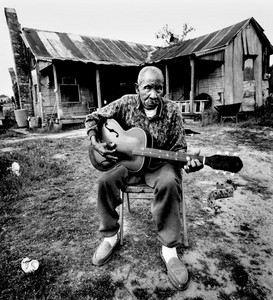 Old/Delta Blues (1920s-1960s) Graylon | 52.05K |
Audience| City | Monthly Listeners | |
|---|---|---|
1 |  | 828 |
2 |  | 818 |
3 | | 786 |
4 |  | 732 |
5 | | 686 |
See full performance history, audience data, playlist activity, rankings, comparisons, and more in Viberate music analytics. Start with a free trial, then continue with a paid plan.
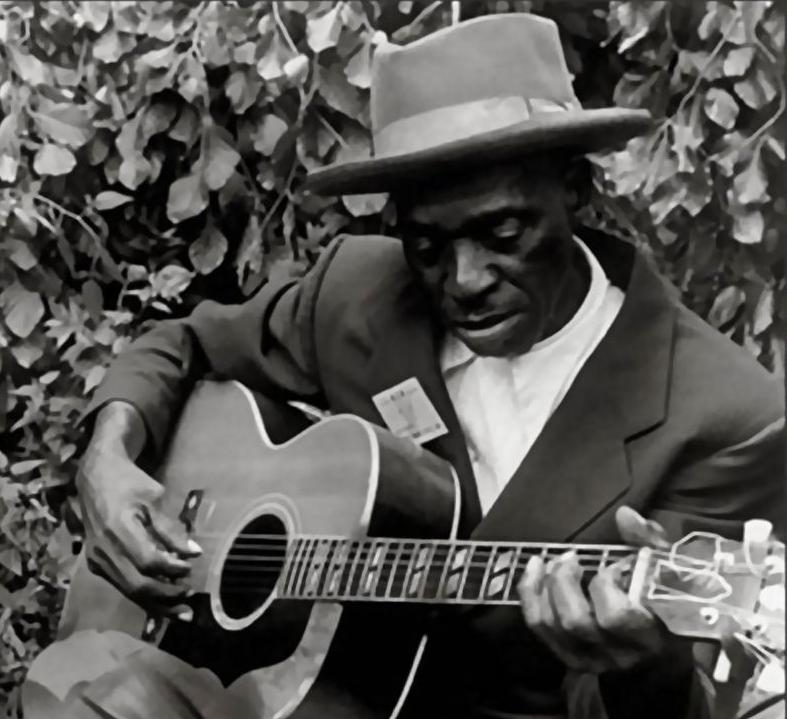
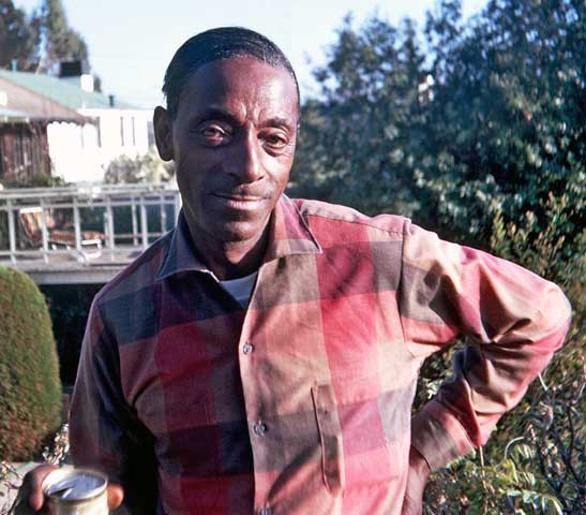
Mississippi Fred McDowell’s Spotify BioWhen Mississippi Fred McDowell proclaimed on one of his last albums, "I do not play no rock & roll," it was less a boast by an aging musician swept aside by the big beat than a mere statement of fact. As a stylist and purveyor of the original Delta blues, he was superb, equal parts Charley Patton and Son House coming to the fore through his roughed-up vocals and slashing bottleneck style of guitar playing. McDowell knew he was the real deal, and while others were diluting and updating their sound to keep pace with the changing times and audiences, Mississippi Fred stood out from the rest of the pack simply by not changing his style one iota. Though he scorned the amplified rock sound with a passion matched by few country bluesmen, he certainly had no qualms about passing any of his musical secrets along to his young, white acolytes, prompting several of them -- including a young Bonnie Raitt -- to develop slide guitar techniques of their own. Although generally lumped in with other… blues "rediscoveries" from the '60s, the most amazing thing about him was that this rich repository of Delta blues had never recorded in the '20s or early '30s, didn't get "discovered" until 1959, and didn't become a full-time professional musician until the mid-'60s.
He was born in 1904 in Rossville, Tennessee, and was playing the guitar by the age of 14 with a slide hollowed out of a steer bone. His parents died when Fred was a youngster and the wandering life of a traveling musician soon took hold. The 1920s saw him playing for tips on the street in Memphis, the hoboing life eventually setting him down in Como, Mississippi, where he lived for the rest of his life. There McDowell split his time between farming and keeping up with his music by playing weekends for various fish fries, picnics, and house parties in the immediate area. This pattern stayed largely unchanged for the next 30 years until he was discovered in 1959 by folklorist Alan Lomax. Lomax was the first to record this semi-professional bluesman, the results of which were released as part of an American folk music series on the Atlantic label. McDowell, for his part, was happy to have some sounds on records, but continued on with his farming and playing for tips outside of Stuckey's candy store in Como for spare change. It wasn't until Chris Strachwitz -- folk-blues enthusiast and owner of the fledgling Arhoolie label -- came searching for McDowell to record him that the bluesman's fortunes began to change dramatically.
Two albums, Fred McDowell, Vol. 1 and Vol. 2, were released on Arhoolie in the mid-'60s, and the shock waves were felt throughout the folk-blues community. Here was a bluesman with a repertoire of uncommon depth, putting it over with great emotional force, and to top it all off, he had seemingly slipped through the cracks of late-'20s and early-'30s field recordings. No scratchy, highly prized 78s on Paramount or Vocalion to use as a yardstick to measure his current worth, no romantic stories about him disappearing into the Delta for decades at a time to become a professional gambler or a preacher. No, Mississippi Fred McDowell had been in his adopted home state, farming and playing all along, and the world coming to his doorstep seemed to ruffle him no more than the little boy down the street delivering the local newspaper.
The success of the Arhoolie recordings suddenly found McDowell very much in demand on the folk and festival circuit, where his quiet, good-natured performances left many a fan utterly spellbound. Working everything from the Newport Folk Festival to coffeehouse dates to becoming a member of the American Folk Blues Festival in Europe, McDowell suddenly had more listings in his résumé in a couple of years than he had in the previous three decades combined. He was also well documented on film, with appearances in The Blues Maker (1968), his own documentary Fred McDowell (1969), and Roots of American Music: Country and Urban Music (1970) among them. By the end of the decade, he was signed to do a one-off album for Capitol Records (the aforementioned I Do Not Play No Rock 'N' Roll) and his tunes were being mainstreamed into the blues-rock firmament by artists like Bonnie Raitt (who recorded several of his tunes, including notable versions of "Write Me a Few Lines" and "Kokomo") and the Rolling Stones, who included a very authentic version of his classic "You Got to Move" on their Sticky Fingers album. Unfortunately, this career largess didn't last much longer, as McDowell was diagnosed with cancer while performing dates into 1971. His playing days suddenly behind him, he lingered for a few months into July 1972, finally succumbing to the disease at age 68. And right to the end, the man remained true to his word; he did not play no rock & roll, just the straight, natural blues. ~ Cub Koda, Rovi
Viberate is a music analytics platform built for A&Rs, artist managers, labels, booking agents, marketers, and artists.
It helps music professionals track artist growth, analyze audience data, monitor playlist activity, compare artists, follow song performance, and identify opportunities across the music market.
Public artist pages provide a free preview of selected artist data. Paid plans provide access to deeper analytics, historical data, charts, comparisons, playlist tools, exports, alerts, reports, and additional professional features.
Yes. Public Viberate artist pages provide selected artist analytics and music data for free.
Viberate also offers a 7-day free trial of the full platform. A credit card is required to start the trial. The trial includes access to the complete product so users can test deeper artist analytics, historical views, playlist insights, comparisons, charts, exports, alerts, and reporting features before choosing a paid plan.
Viberate provides artist analytics across streaming, playlists, social media, video, radio airplay, songs, and audience markets.
Users can analyze Spotify performance, Spotify and Apple Music playlists, YouTube activity, TikTok and Instagram growth, radio spins, song performance, audience locations, demographics, rankings, and overall artist momentum.
Artist profiles also connect to music charts, similar artists, and comparison tools, helping users benchmark performance and evaluate artists in context.
Viberate updates key artist and track data daily.
For followed artists and tracks, selected data is refreshed multiple times per day. This helps teams monitor playlist changes, streaming movement, audience growth, releases, and campaign performance with more current data.
Update frequency can vary depending on the metric and data source.
Yes. Viberate lets users compare up to five artists side by side across streaming, social media, audience, and engagement metrics.
Users can compare fanbase growth, audience demographics, locations, Spotify performance, social metrics, and other artist data over selected time periods.
Artist comparison can be used for A&R scouting, benchmarking, booking decisions, campaign planning, and evaluating artists with similar audiences or market positions.