Mirrors on the Moon

Rock
Psychedelic Rock
Americana/Alt Country
 Viberate Rank: 425458
 Viberate Rank: 425458
 Monthly ListenersFollowers
 Subscribers
 Followers
 Followers
 FansTop Spotify Songs
| Track | 7-Day Streams | |
|---|---|---|
1 | 583 | |
2 | 121 | |
3 | 30 | |
4 | 25 | |
5 | 21 |
Top YouTube Videos| Video | 7-Day Views | |
|---|---|---|
1 | 1 |
Monthly ListenersFeatured in Playlists| Playlist | Followers | |
|---|---|---|
1 |  Guitar Rock 2024 Harder Escalation | 38.34K |
2 |  Country Temptations Daniel Leonard | 31.40K |
3 |  Rock Arena Music Arena | 28.54K |
4 | ROCK ELECTRONICO mateopps | 1.73K |
5 |  Country, Rock, or Blues ..... # Music Limelight | 1.69K |
Audience| City | Monthly Listeners | |
|---|---|---|
1 |  | 76 |
2 |  | 55 |
3 | | 54 |
4 | | 48 |
5 |  | 32 |
See full performance history, audience data, playlist activity, rankings, comparisons, and more in Viberate music analytics. Start with a free trial, then continue with a paid plan.
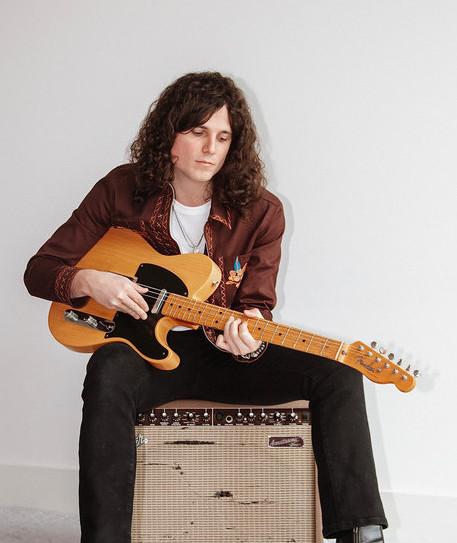
Mirrors on the Moon’s Spotify BioA single fuzz-drenched guitar riff kickstarts “Get Lost” as the Bonham-esque beat brushes up against a raucous and raw chant. “It’s a simple little love song with garage rock sensibility,” says frontman and songwriter Donny Dykowsky. “In the early days it was impossible for me to write anything this straightforward. However, emotion tells the story and it’s just fun”.
“Get Lost” is the first track from Mirrors on the Moon’s upcoming self-titled debut EP coming later this year. Dykowsky’s latest offering of songs find a balance between psych-rock and Americana with themes exploring existentialism, love, and mysticism.
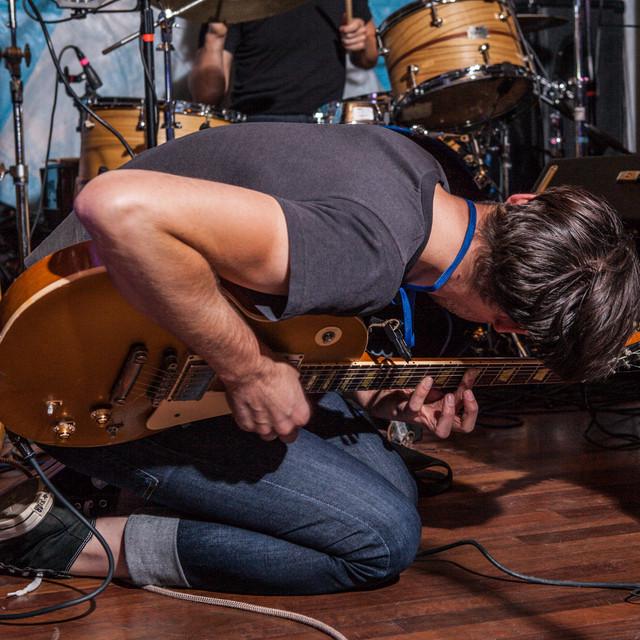
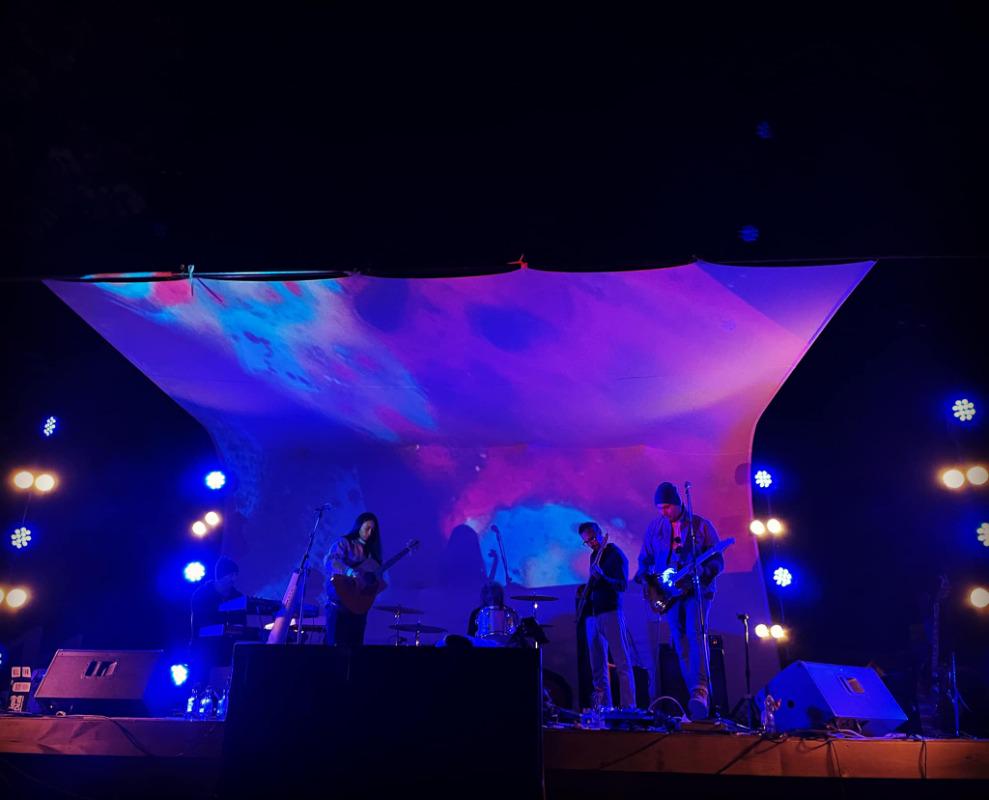
Mirrors on the Moon is the brainchild of singer, guitarist and producer Donny Dykowsky (Chesterwhite). He’s joined by Chesterwhite bassist Freddy Pastore as well as drummer John Hummel [Lady Gaga] keyboardist Dave Archer [UNI and the Urchins], with Emily MacMahon [Colorjoy] on backing vocals for their live shows.
www.mirrorsonthemoon.com
Viberate is a music analytics platform built for A&Rs, artist managers, labels, booking agents, marketers, and artists.
It helps music professionals track artist growth, analyze audience data, monitor playlist activity, compare artists, follow song performance, and identify opportunities across the music market.
Public artist pages provide a free preview of selected artist data. Paid plans provide access to deeper analytics, historical data, charts, comparisons, playlist tools, exports, alerts, reports, and additional professional features.
Yes. Public Viberate artist pages provide selected artist analytics and music data for free.
Viberate also offers a 7-day free trial of the full platform. A credit card is required to start the trial. The trial includes access to the complete product so users can test deeper artist analytics, historical views, playlist insights, comparisons, charts, exports, alerts, and reporting features before choosing a paid plan.
Viberate provides artist analytics across streaming, playlists, social media, video, radio airplay, songs, and audience markets.
Users can analyze Spotify performance, Spotify and Apple Music playlists, YouTube activity, TikTok and Instagram growth, radio spins, song performance, audience locations, demographics, rankings, and overall artist momentum.
Artist profiles also connect to music charts, similar artists, and comparison tools, helping users benchmark performance and evaluate artists in context.
Viberate updates key artist and track data daily.
For followed artists and tracks, selected data is refreshed multiple times per day. This helps teams monitor playlist changes, streaming movement, audience growth, releases, and campaign performance with more current data.
Update frequency can vary depending on the metric and data source.
Yes. Viberate lets users compare up to five artists side by side across streaming, social media, audience, and engagement metrics.
Users can compare fanbase growth, audience demographics, locations, Spotify performance, social metrics, and other artist data over selected time periods.
Artist comparison can be used for A&R scouting, benchmarking, booking decisions, campaign planning, and evaluating artists with similar audiences or market positions.