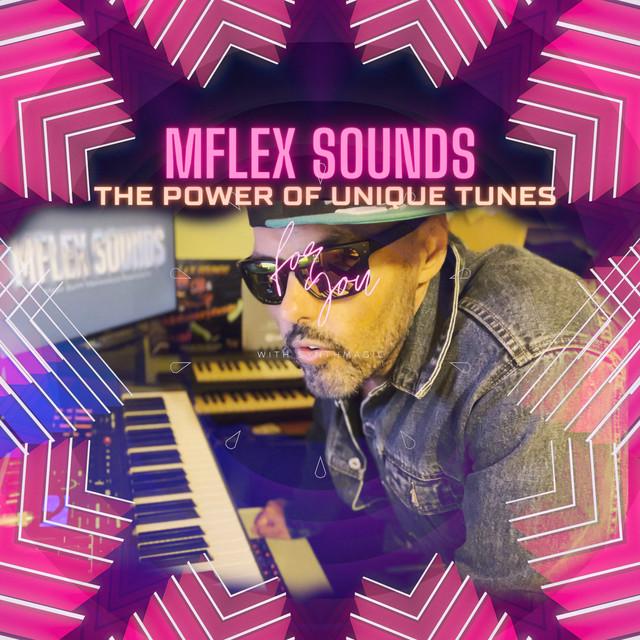
Mirko Hirsch

Rock
Pop Rock
Disco
Mainstream Pop
 Viberate Rank: 99889
 Viberate Rank: 99889
 Monthly ListenersFollowers
 Subscribers
 Followers
 Followers
 FansTop Spotify Songs
| Track | 7-Day Streams | |
|---|---|---|
1 | 1.65K | |
2 | 1.38K | |
3 | 816 | |
4 | 773 | |
5 | 737 |
Top YouTube Videos| Video | 7-Day Views | |
|---|---|---|
1 | 1.95K | |
2 | 1.79K | |
3 | 1.72K | |
4 | 1.71K | |
5 | 1.56K |
Monthly ListenersFeatured in Playlists| Playlist | Followers | |
|---|---|---|
1 |  Neon Talk Official Playlist Neon Talk | 12.57K |
2 |  Italo Disco ❤️ - Spaghetti Dance - Let's go! Eemgee Italo Disco | 10.82K |
3 |  Synthwave Covers MetroVeteran | 9.13K |
4 |  This Is Volata Volata di Peluca | 8.12K |
5 |  POLYMARCHS HIGH ENERGY⚡⚡⚡🎶 Jon Velez🪩🎵🎶 | 6.21K |
Audience| City | Monthly Listeners | |
|---|---|---|
1 |  | 348 |
2 |  | 343 |
3 | | 295 |
4 | | 228 |
5 |  | 220 |
See full performance history, audience data, playlist activity, rankings, comparisons, and more in Viberate music analytics. Start with a free trial, then continue with a paid plan.
Mirko Hirsch’s Spotify BioMirko Hirsch (born on August 20th, 1977) is a German musician, singer, songwriter and producer.
Besides his own songs, he has written and arranged songs for the who is who of the Italo Disco scene: Ken Laszlo, Albert One, Aleph, Jock Hattle, Fred Ventura, Linda Jo Rizzo, Tiziana Rivale, and Trans-X.
But he is also active writing and producing for current artists of the New Generation scene such as talove, TQ, Tom Garrow, Steve Burbon, and Retronic Voice.
He also uses pseudonyms to release songs with his vocals, when he performs in a slightly different style (Dario Silver, Rick de Moore and others)
Mirko's songwriting and producing style is partially influenced by melodic rock music of the 80's and some of his Italo Disco songs (e.g. "Save me" (just for tonight), "Love Hurts", "Midnight Rendezvous") also include electric guitar solos. His songwriting style often reminds people of Farina/Crivellente compositions.
Mirko Hirsch belongs to the firsts artists of the "New Generation of Italo… Disco (or New Italo Disco)".
His first musical appearance was in 2006, when a low quality sample of his song "Fire" caused quite a stir in the scene and was considered to be an original 1980's Italo Disco song. To this day, he is the only artist of the New Generation scene who has had physical releases on all the important New Gen Italo Disco/Eurodisco labels (ZYX, Flashback Records, Iventi Records, Five4IT Records, Magic Sound Records, SpaceSoundRecords).
Viberate is a music analytics platform built for A&Rs, artist managers, labels, booking agents, marketers, and artists.
It helps music professionals track artist growth, analyze audience data, monitor playlist activity, compare artists, follow song performance, and identify opportunities across the music market.
Public artist pages provide a free preview of selected artist data. Paid plans provide access to deeper analytics, historical data, charts, comparisons, playlist tools, exports, alerts, reports, and additional professional features.
Yes. Public Viberate artist pages provide selected artist analytics and music data for free.
Viberate also offers a 7-day free trial of the full platform. A credit card is required to start the trial. The trial includes access to the complete product so users can test deeper artist analytics, historical views, playlist insights, comparisons, charts, exports, alerts, and reporting features before choosing a paid plan.
Viberate provides artist analytics across streaming, playlists, social media, video, radio airplay, songs, and audience markets.
Users can analyze Spotify performance, Spotify and Apple Music playlists, YouTube activity, TikTok and Instagram growth, radio spins, song performance, audience locations, demographics, rankings, and overall artist momentum.
Artist profiles also connect to music charts, similar artists, and comparison tools, helping users benchmark performance and evaluate artists in context.
Viberate updates key artist and track data daily.
For followed artists and tracks, selected data is refreshed multiple times per day. This helps teams monitor playlist changes, streaming movement, audience growth, releases, and campaign performance with more current data.
Update frequency can vary depending on the metric and data source.
Yes. Viberate lets users compare up to five artists side by side across streaming, social media, audience, and engagement metrics.
Users can compare fanbase growth, audience demographics, locations, Spotify performance, social metrics, and other artist data over selected time periods.
Artist comparison can be used for A&R scouting, benchmarking, booking decisions, campaign planning, and evaluating artists with similar audiences or market positions.