Miquel Brown

Electronic
Dance
 Viberate Rank: 139625
 Viberate Rank: 139625
 Monthly ListenersFollowers
 Subscribers
 Followers
 Followers
 FansTop Spotify Songs
| Track | 7-Day Streams | |
|---|---|---|
1 | 55.72K | |
2 | 22.56K | |
3 | 2.75K | |
4 | 1.95K | |
5 | 1.26K |
Top YouTube VideosMonthly ListenersFeatured in Playlists| Playlist | Followers | |
|---|---|---|
1 |  Disco Hits 80 90 Mama Disco 💃 | 316.06K |
2 |  80s Remix 90s Remix Club & Dance Lazerboyz | 134.41K |
3 |  High Energy 80s. Polymarchs. Hi-NRG. Sebastián Galaviz | 113.35K |
4 |  Polymarchs Abel Flores | 94.66K |
5 |  FLASH BACK - 80 90 2000 - SO AS MELHORES Flash Back Generation | 72.30K |
Audience| City | Monthly Listeners | |
|---|---|---|
1 |  | 21.36K |
2 |  | 7.03K |
3 |  | 4.16K |
4 | | 2.58K |
5 |  | 2.25K |
See full performance history, audience data, playlist activity, rankings, comparisons, and more in Viberate music analytics. Start with a free trial, then continue with a paid plan.
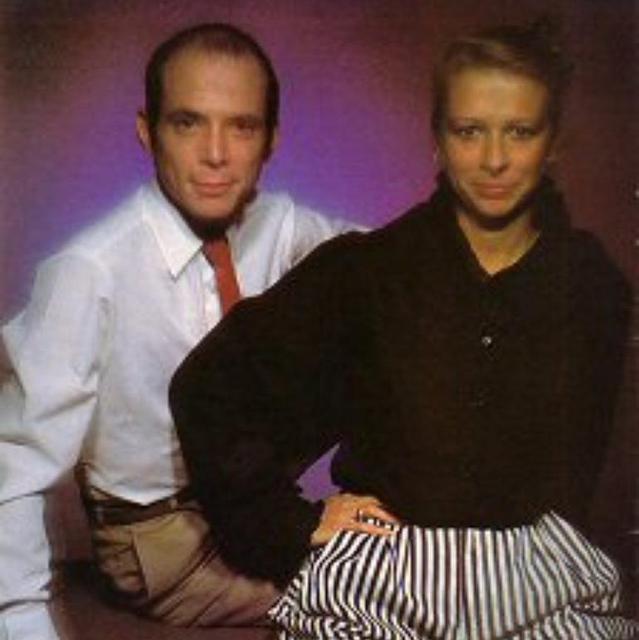
Miquel Brown’s Spotify BioCanadian singer Miquel Brown was raised in Vancouver. Her parents wanted her to be a doctor, but she had entertainment on the brain and frequented nightclubs without their knowledge. On summer break from the University of Washington, where she was studying medicine, she got her first break. She auditioned for Hair in Detroit and landed the part of Sheila and toured with the cast all over the U.S.
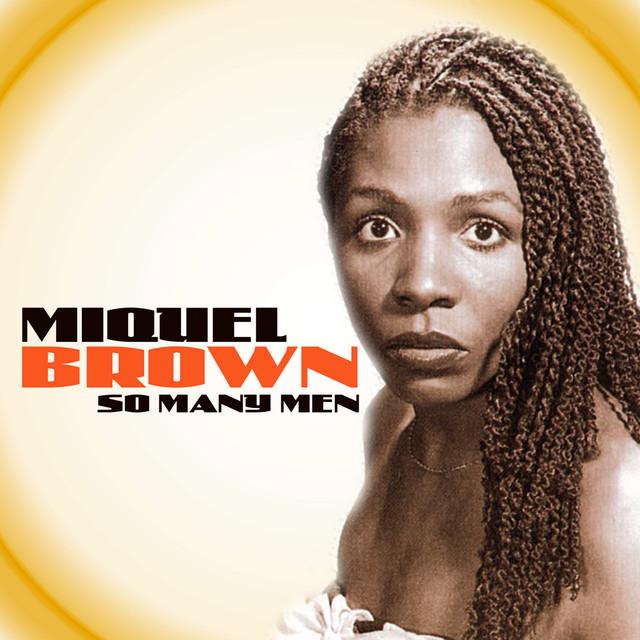
In the early '70s, Brown relocated to Britain and gigged as a singer, also landing small parts in movies like Rollerball and musicals such as Mardi Gras. She recorded her first single "The First Time Around," in the late '70s. After that, Brown issued a number of efforts on TSR, Record Shack, Hot Productions, Polydor, and other labels. Her single "So Many Men, So Little Time," produced by Ian Levine, scored well in Great Britain. Before that she enjoyed minor hits with "Symphony of Love" in 1978 and for Record Shack Records "He's a Saint, He's a Sinner," "Black Leather," and "Close to… Perfection." ~ Andrew Hamilton
Viberate is a music analytics platform built for A&Rs, artist managers, labels, booking agents, marketers, and artists.
It helps music professionals track artist growth, analyze audience data, monitor playlist activity, compare artists, follow song performance, and identify opportunities across the music market.
Public artist pages provide a free preview of selected artist data. Paid plans provide access to deeper analytics, historical data, charts, comparisons, playlist tools, exports, alerts, reports, and additional professional features.
Yes. Public Viberate artist pages provide selected artist analytics and music data for free.
Viberate also offers a 7-day free trial of the full platform. A credit card is required to start the trial. The trial includes access to the complete product so users can test deeper artist analytics, historical views, playlist insights, comparisons, charts, exports, alerts, and reporting features before choosing a paid plan.
Viberate provides artist analytics across streaming, playlists, social media, video, radio airplay, songs, and audience markets.
Users can analyze Spotify performance, Spotify and Apple Music playlists, YouTube activity, TikTok and Instagram growth, radio spins, song performance, audience locations, demographics, rankings, and overall artist momentum.
Artist profiles also connect to music charts, similar artists, and comparison tools, helping users benchmark performance and evaluate artists in context.
Viberate updates key artist and track data daily.
For followed artists and tracks, selected data is refreshed multiple times per day. This helps teams monitor playlist changes, streaming movement, audience growth, releases, and campaign performance with more current data.
Update frequency can vary depending on the metric and data source.
Yes. Viberate lets users compare up to five artists side by side across streaming, social media, audience, and engagement metrics.
Users can compare fanbase growth, audience demographics, locations, Spotify performance, social metrics, and other artist data over selected time periods.
Artist comparison can be used for A&R scouting, benchmarking, booking decisions, campaign planning, and evaluating artists with similar audiences or market positions.