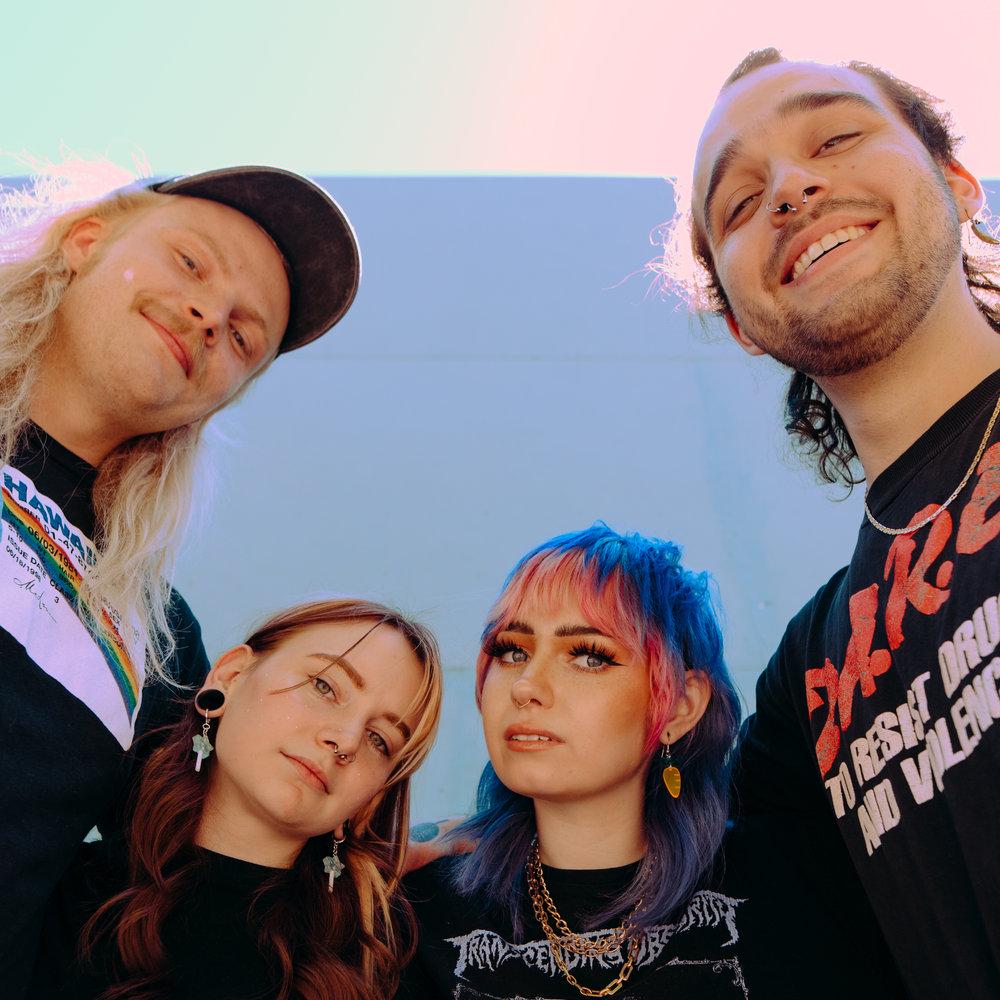
Mint Green

Rock
Alternative Rock
Indie Rock
 Viberate Rank: 223073
 Viberate Rank: 223073
 Monthly ListenersFollowers
 Subscribers
 Followers
 Followers
 FansTop Spotify Songs
| Track | 7-Day Streams | |
|---|---|---|
1 | 629 | |
2 | 551 | |
3 | 515 | |
4 | 152 | |
5 | 137 |
Top YouTube VideosMonthly ListenersFeatured in Playlists| Playlist | Followers | |
|---|---|---|
1 |  black people created rock btw 𝖈ece ˖°🦇ִ ࣪ | 11.07K |
2 |  The Sound of Bubblegrunge The Sounds of Spotify | 10.52K |
3 |  The Sound of 5th Wave Emo The Sounds of Spotify | 9.01K |
4 |  Emo Mix Pure Noise Records | 7.83K |
5 |  Dead Formats Vol. 1 & 2 & 3 Pure Noise Records | 7.60K |
Audience| City | Monthly Listeners | |
|---|---|---|
1 | | 99 |
2 | | 76 |
3 | | 70 |
4 | | 68 |
5 | | 63 |
See full performance history, audience data, playlist activity, rankings, comparisons, and more in Viberate music analytics. Start with a free trial, then continue with a paid plan.
Mint Green’s Spotify BioMint Green make music that hits the sweet spot between emo, pop, and alternative, and they knock it out of the park on their debut record All Girls Go to Heaven
Mint Green was founded in Boston, Massachusetts by Ronnica, an energetic, thoughtful, and passionate frontwoman and Daniel Huang, a meticulous, multi-instrumentalist and producer who is never one to shy away from experimentation. They’re now based in Los Angeles, California and are joined by Rachel Moon on guitar and Danny Martinez on bass.
After signing with Pure Noise Records in 2022, Mint Green released their first single, Body Language , a big, reverb-coated mix of indie rock and dream pop, with a hint of 2000s-style emo catharsis. Their album, All Girls Go to Heaven , wraps the bands strengths into a package that ties in neatly with a recent resuscitation of pop-punk. It’s an easy listen from front to back, and its best songs beg for repeats.
Mint Green speaks to the members of the rock community that are POC, queer, women,… and non-men. Mint Green hopes to continue transcending physical borders and societal barriers with their unique and evolving sound.
FFO: Tigers Jaw Beach Bunny Kississippi Paramore Bloc Party Pixies illuminati hotties Gully Boys Bartees Strange Soccer Mommy MUNA Turnover
Viberate is a music analytics platform built for A&Rs, artist managers, labels, booking agents, marketers, and artists.
It helps music professionals track artist growth, analyze audience data, monitor playlist activity, compare artists, follow song performance, and identify opportunities across the music market.
Public artist pages provide a free preview of selected artist data. Paid plans provide access to deeper analytics, historical data, charts, comparisons, playlist tools, exports, alerts, reports, and additional professional features.
Yes. Public Viberate artist pages provide selected artist analytics and music data for free.
Viberate also offers a 7-day free trial of the full platform. A credit card is required to start the trial. The trial includes access to the complete product so users can test deeper artist analytics, historical views, playlist insights, comparisons, charts, exports, alerts, and reporting features before choosing a paid plan.
Viberate provides artist analytics across streaming, playlists, social media, video, radio airplay, songs, and audience markets.
Users can analyze Spotify performance, Spotify and Apple Music playlists, YouTube activity, TikTok and Instagram growth, radio spins, song performance, audience locations, demographics, rankings, and overall artist momentum.
Artist profiles also connect to music charts, similar artists, and comparison tools, helping users benchmark performance and evaluate artists in context.
Viberate updates key artist and track data daily.
For followed artists and tracks, selected data is refreshed multiple times per day. This helps teams monitor playlist changes, streaming movement, audience growth, releases, and campaign performance with more current data.
Update frequency can vary depending on the metric and data source.
Yes. Viberate lets users compare up to five artists side by side across streaming, social media, audience, and engagement metrics.
Users can compare fanbase growth, audience demographics, locations, Spotify performance, social metrics, and other artist data over selected time periods.
Artist comparison can be used for A&R scouting, benchmarking, booking decisions, campaign planning, and evaluating artists with similar audiences or market positions.