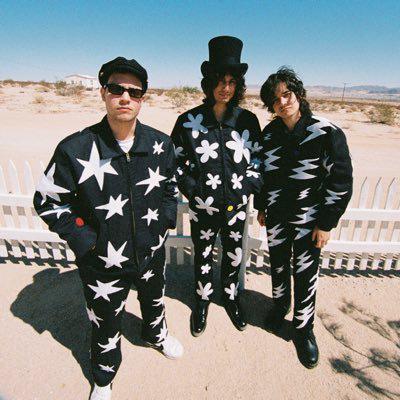
Miniature Tigers

Rock
Indie Rock
Indie Pop
 Viberate Rank: 65221
 Viberate Rank: 65221
 Monthly ListenersFollowers
 Subscribers
 Followers
 Followers
 FansTop Spotify Songs
| Track | 7-Day Streams | |
|---|---|---|
1 | 131.05K | |
2 | 23.87K | |
3 | 10.60K | |
4 | 5.26K | |
5 | 4.25K |
Top YouTube VideosMonthly ListenersFeatured in Playlists| Playlist | Followers | |
|---|---|---|
1 |  romanticizing studying - calm vibes natalia | 172.63K |
2 | indie rock 🎸🌱 MattLuciano2 | 116.35K |
3 | Music Mix= Laura Taylor | 115.54K |
4 |  soft songs to listen to while studying acie. | 98.89K |
5 |  INDIE TIKTOK SONGS THAT DON'T SUCK Nobody Gets It | 75.47K |
Audience| City | Monthly Listeners | |
|---|---|---|
1 | | 6.50K |
2 | | 6.14K |
3 | | 4.79K |
4 | | 3.94K |
5 | | 3.91K |
See full performance history, audience data, playlist activity, rankings, comparisons, and more in Viberate music analytics. Start with a free trial, then continue with a paid plan.
Miniature Tigers’ Spotify BioBrooklyn-based Miniature Tigers are a quirky baroque and synth pop outfit centered on singer/songwriter Charlie Brand. Formed in Brand's hometown of Phoenix, Arizona in 2006, the group initially began as a solo bedroom-recording project. The resulting material paired his acoustic guitar with a wide range of pop influences -- the Cars' strut, Weezer's snark, Phil Spector's polish -- and Miniature Tigers soon inked a deal with Modern Art Records, a label co-founded by fellow Phoenix-based group Chronic Future. With drummer Rick Schaier, guitarist Algernon Quashie, and bassist Alex Gerber also on board, Miniature Tigers released the breezy Tell It to the Volcano in September 2008.
Between the cross-country tours that followed, Miniature Tigers found enough downtime to pull up stakes and move to Brooklyn, where Brand began writing songs that were more experimental and ambitious, with a wider range of instrumentation. Members of Neon Indian and the Morning Benders were enlisted to produce… the material, which was recorded in upstate New York and released in summer 2010 as Fortress. In 2012, Miniature Tigers showcased even more stylistic growth, weaving in '80s new wave influences on the synthy, dance-oriented Mia Pharaoh. Two years later, they delivered the similarly disco and synth pop-infused Cruel Runnings, featuring production from Chris Zane (Walkmen, Passion Pit). After a brief hiatus, they returned in 2017 with I Dreamt I Was a Cowboy, a loosely structured concept album about being in love. ~ Andrew Leahey, Rovi
Viberate is a music analytics platform built for A&Rs, artist managers, labels, booking agents, marketers, and artists.
It helps music professionals track artist growth, analyze audience data, monitor playlist activity, compare artists, follow song performance, and identify opportunities across the music market.
Public artist pages provide a free preview of selected artist data. Paid plans provide access to deeper analytics, historical data, charts, comparisons, playlist tools, exports, alerts, reports, and additional professional features.
Yes. Public Viberate artist pages provide selected artist analytics and music data for free.
Viberate also offers a 7-day free trial of the full platform. A credit card is required to start the trial. The trial includes access to the complete product so users can test deeper artist analytics, historical views, playlist insights, comparisons, charts, exports, alerts, and reporting features before choosing a paid plan.
Viberate provides artist analytics across streaming, playlists, social media, video, radio airplay, songs, and audience markets.
Users can analyze Spotify performance, Spotify and Apple Music playlists, YouTube activity, TikTok and Instagram growth, radio spins, song performance, audience locations, demographics, rankings, and overall artist momentum.
Artist profiles also connect to music charts, similar artists, and comparison tools, helping users benchmark performance and evaluate artists in context.
Viberate updates key artist and track data daily.
For followed artists and tracks, selected data is refreshed multiple times per day. This helps teams monitor playlist changes, streaming movement, audience growth, releases, and campaign performance with more current data.
Update frequency can vary depending on the metric and data source.
Yes. Viberate lets users compare up to five artists side by side across streaming, social media, audience, and engagement metrics.
Users can compare fanbase growth, audience demographics, locations, Spotify performance, social metrics, and other artist data over selected time periods.
Artist comparison can be used for A&R scouting, benchmarking, booking decisions, campaign planning, and evaluating artists with similar audiences or market positions.