Ming & Ping

Pop
Indie Pop
Contemporary Hip Hop
 Viberate Rank: 496895
 Viberate Rank: 496895
 Monthly ListenersFollowers
 Subscribers
 Followers
 Followers
 FansTop Spotify Songs
| Track | 7-Day Streams | |
|---|---|---|
1 | 283 | |
2 | 113 | |
3 | 51 | |
4 | 34 | |
5 | 34 |
Top YouTube VideosMonthly ListenersFeatured in Playlists| Playlist | Followers | |
|---|---|---|
1 |  Tokyo 2020 Olympian Mix NBC Sports | 15.26K |
2 |  Synthwave Covers MetroVeteran | 9.13K |
3 | Snowboard Movie Soundtracks! Jon Byrne | 1.71K |
4 | Flagpole Sitta me1298 | 1.39K |
5 |  SkiMovieMusic - Complete List (1700+ Tracks) SkiMovieMusic | 1.05K |
Audience| City | Monthly Listeners | |
|---|---|---|
1 | | 30 |
2 |  | 22 |
3 | | 21 |
4 | | 20 |
5 |  | 16 |
See full performance history, audience data, playlist activity, rankings, comparisons, and more in Viberate music analytics. Start with a free trial, then continue with a paid plan.
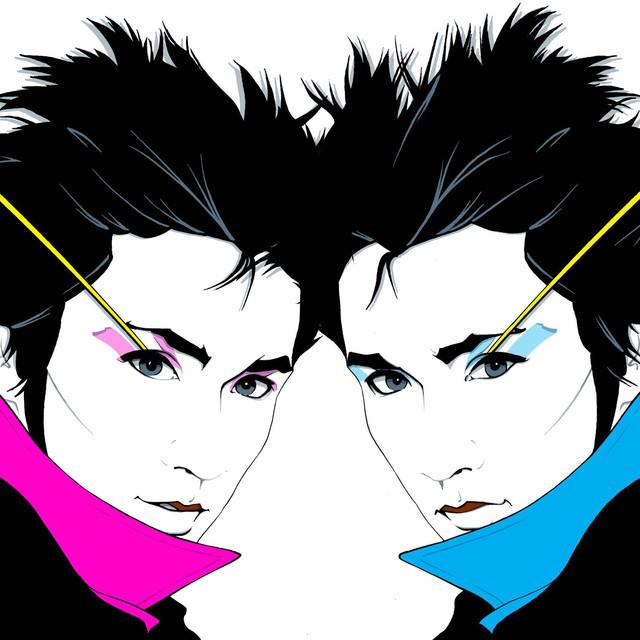
Ming & Ping’s Spotify BioMing & Ping are a pioneering Asian American electro-pop duo consisting of identical twins Ming and Ping. The brothers were born and raised in Hong Kong and are now based in Los Angeles. The group formed in 2002 in San Francisco with their producer and creative director, BAO. Since their 2004 debut release, mingping.com, they have released five full-length albums and a series of singles and EPs that blend their 80s-inspired Synthpop music with introspective Sci-fi themed lyrics.
Ming & Ping gained a following in the mid and late 2000s largely from the use of their songs in sports films, television, and promotional spots for major brands like Bombardier Ski-Doo, Oakley, Burton, Crossfit, and more. In 2009 they became one of the first musical acts, along with Brian Eno, to use mobile apps to market their music when they released Ming & Ping Pong, an accelerometer-based version of Pong featuring their music and visual aesthetic.
Ming & Ping’s success was heavily aided by equally vivid… photography, video, artwork, costumes, and luscious live performances, which were designed and directed by Bao Vo and collaborators. Their critically-acclaimed Cantonese Opera inspired stage show, known as "The Ming & Ping Dynasty," has performed with the likes of Major Lazer, She Wants Revenge, Freezepop, and The New Division. Interest in the group is aided by rumors that both twins are in fact the same performer. However, due to their rare public appearances, these rumors remain unconfirmed.
Viberate is a music analytics platform built for A&Rs, artist managers, labels, booking agents, marketers, and artists.
It helps music professionals track artist growth, analyze audience data, monitor playlist activity, compare artists, follow song performance, and identify opportunities across the music market.
Public artist pages provide a free preview of selected artist data. Paid plans provide access to deeper analytics, historical data, charts, comparisons, playlist tools, exports, alerts, reports, and additional professional features.
Yes. Public Viberate artist pages provide selected artist analytics and music data for free.
Viberate also offers a 7-day free trial of the full platform. A credit card is required to start the trial. The trial includes access to the complete product so users can test deeper artist analytics, historical views, playlist insights, comparisons, charts, exports, alerts, and reporting features before choosing a paid plan.
Viberate provides artist analytics across streaming, playlists, social media, video, radio airplay, songs, and audience markets.
Users can analyze Spotify performance, Spotify and Apple Music playlists, YouTube activity, TikTok and Instagram growth, radio spins, song performance, audience locations, demographics, rankings, and overall artist momentum.
Artist profiles also connect to music charts, similar artists, and comparison tools, helping users benchmark performance and evaluate artists in context.
Viberate updates key artist and track data daily.
For followed artists and tracks, selected data is refreshed multiple times per day. This helps teams monitor playlist changes, streaming movement, audience growth, releases, and campaign performance with more current data.
Update frequency can vary depending on the metric and data source.
Yes. Viberate lets users compare up to five artists side by side across streaming, social media, audience, and engagement metrics.
Users can compare fanbase growth, audience demographics, locations, Spotify performance, social metrics, and other artist data over selected time periods.
Artist comparison can be used for A&R scouting, benchmarking, booking decisions, campaign planning, and evaluating artists with similar audiences or market positions.