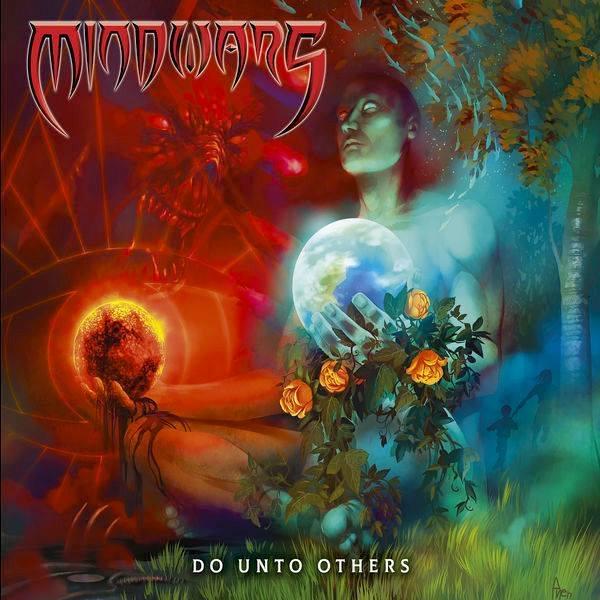
MINDWARS

Metal
Thrash Metal
 Viberate Rank: 361110
 Viberate Rank: 361110
 Monthly ListenersFollowers
 Subscribers
 Followers
 Followers
 FansTop Spotify Songs
| Track | 7-Day Streams | |
|---|---|---|
1 | 10 | |
2 | 6 | |
3 | 6 | |
4 | 6 | |
5 | 5 |
Top YouTube VideosMonthly ListenersFeatured in Playlists| Playlist | Followers | |
|---|---|---|
1 | Thrash Metal Up Your Ass Germonio | 6.86K |
2 |  New Wave Of Thrash Metal Andrew Saalmann | 4.41K |
3 | New Thrash Metal thrashguitars | 2.87K |
4 | Modern Thrash Metal Ben Brodie | 2.02K |
5 | Wanna listen to some tunes? Eris | 1.84K |
Audience| City | Monthly Listeners | |
|---|---|---|
1 | | 4 |
2 |  | 3 |
See full performance history, audience data, playlist activity, rankings, comparisons, and more in Viberate music analytics. Start with a free trial, then continue with a paid plan.
MINDWARS’ Spotify BioBio
MINDWARS was formed at the end of 2013 after Mike Alvord (formerly of Holy Terror) and Roby Vitari (formerly of HEADCRASHER) reconnected. The two met by chance in 1989 when Holy Terror was touring with Exodus and Nuclear Assault. Roby brought in a juggernaut of a guitarist Danny “Z” Pizzi to play bass. The three managed to record and produce two solid albums (The Enemy Within – 2014 and Sworn to Secrecy – 2016, which was engineered by the mighty Bill Metoyer). In 2017, Roby decided to relocate to Newport Beach, CA and the band soon found that having Danny still in Italy was impossible for the band to play live shows. In 2019, the band decided to hand over the bass du:es to the veteran, Rick Zaccaro. The band proceeded to write and record their highly acclaimed album The Fourth Turning and Danny taking on the role of second guitar. Due to various circumstances and the fact that Danny still lived in Italy, the band decided to continue on as a three (3) piece and toured Japan in the… Fall of 2024, which culminated at True Thrash Fest 2024 with a co-headlining spot alongside Cyclone. The Fourth Turning was released during the dog days of COVID and the band immediately started writinew material. Prior to COVID, the band also had a mini-US tour (opening for Raven). The fifth album, titled “V” was recorded during the first few months of 2024 and is slated to be released September 2, 2024, in time me for MindWars to support their best album yet on their upcoming European Tour.
Viberate is a music analytics platform built for A&Rs, artist managers, labels, booking agents, marketers, and artists.
It helps music professionals track artist growth, analyze audience data, monitor playlist activity, compare artists, follow song performance, and identify opportunities across the music market.
Public artist pages provide a free preview of selected artist data. Paid plans provide access to deeper analytics, historical data, charts, comparisons, playlist tools, exports, alerts, reports, and additional professional features.
Yes. Public Viberate artist pages provide selected artist analytics and music data for free.
Viberate also offers a 7-day free trial of the full platform. A credit card is required to start the trial. The trial includes access to the complete product so users can test deeper artist analytics, historical views, playlist insights, comparisons, charts, exports, alerts, and reporting features before choosing a paid plan.
Viberate provides artist analytics across streaming, playlists, social media, video, radio airplay, songs, and audience markets.
Users can analyze Spotify performance, Spotify and Apple Music playlists, YouTube activity, TikTok and Instagram growth, radio spins, song performance, audience locations, demographics, rankings, and overall artist momentum.
Artist profiles also connect to music charts, similar artists, and comparison tools, helping users benchmark performance and evaluate artists in context.
Viberate updates key artist and track data daily.
For followed artists and tracks, selected data is refreshed multiple times per day. This helps teams monitor playlist changes, streaming movement, audience growth, releases, and campaign performance with more current data.
Update frequency can vary depending on the metric and data source.
Yes. Viberate lets users compare up to five artists side by side across streaming, social media, audience, and engagement metrics.
Users can compare fanbase growth, audience demographics, locations, Spotify performance, social metrics, and other artist data over selected time periods.
Artist comparison can be used for A&R scouting, benchmarking, booking decisions, campaign planning, and evaluating artists with similar audiences or market positions.