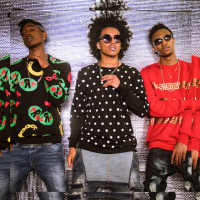
Mindless Behavior

R&B
Contemporary R&B
Mainstream Pop
 Viberate Rank: 32450
 Viberate Rank: 32450
 Monthly ListenersFollowers
 Subscribers
 Followers
 Followers
 FansTop Spotify Songs
| Track | 7-Day Streams | |
|---|---|---|
1 | 276.41K | |
2 | 103.50K | |
3 | 50.90K | |
4 | 17.52K | |
5 | 16.51K |
Top YouTube VideosMonthly ListenersFeatured in Playlists| Playlist | Followers | |
|---|---|---|
1 | RnB 2000s Christian Perry | 178.65K |
2 | NOW That's What I Call Music 1-50 Other Dave Moore | 83.60K |
3 |  Dark Mode Trend | 48.67K |
4 |  baddie grwm playlist💅🏽 Gabby Koffman🪩🤍 | 48.63K |
5 | nostalgia Tristen Roundtree | 45.68K |
Audience| City | Monthly Listeners | |
|---|---|---|
1 | | 10.03K |
2 | | 9.93K |
3 | | 8.81K |
4 | | 8.72K |
5 | | 8.22K |
See full performance history, audience data, playlist activity, rankings, comparisons, and more in Viberate music analytics. Start with a free trial, then continue with a paid plan.
Mindless Behavior’s Spotify BioPut together by producers Vincent Herbert (Toni Braxton, Destiny's Child, Lady Gaga) and Walter Millsap (Alicia Keys, Beyoncé), Mindless Behavior is a pop-R&B group featuring singers and dancers Princeton, Prodigy, Ray Ray, and Roc Royal. The quartet was signed to Interscope within half-a-year of its formation and debuted on the Billboard charts in February 2011 with their first single, "My Girl" -- a sweet, light-hearted number in the squeaky-clean vein of Justin Bieber and first-album Chris Brown. Shortly after the release of the follow-up single, "Mrs. Right," the group's first album, #1 Girl, debuted at number seven on Billboard 200. Around the same time, Mindless Behavior graduated from opening for Janet Jackson to headlining their own U.S. tour. The group's second album, All Around the World, followed in March 2013. It entered the Billboard 200 at number six but quickly disappeared from the chart and was a disappointment sales-wise. During the next couple years, the group's… membership underwent some turnover. EJ and Mike River replaced the departed Prodigy and Roc Royal and recorded the group's third album, #OfficialMBMusic. The vocal approach and lyrical content were significantly different from the group's past, more rap-oriented and explicit. ~ Andy Kellman, Rovi
Viberate is a music analytics platform built for A&Rs, artist managers, labels, booking agents, marketers, and artists.
It helps music professionals track artist growth, analyze audience data, monitor playlist activity, compare artists, follow song performance, and identify opportunities across the music market.
Public artist pages provide a free preview of selected artist data. Paid plans provide access to deeper analytics, historical data, charts, comparisons, playlist tools, exports, alerts, reports, and additional professional features.
Yes. Public Viberate artist pages provide selected artist analytics and music data for free.
Viberate also offers a 7-day free trial of the full platform. A credit card is required to start the trial. The trial includes access to the complete product so users can test deeper artist analytics, historical views, playlist insights, comparisons, charts, exports, alerts, and reporting features before choosing a paid plan.
Viberate provides artist analytics across streaming, playlists, social media, video, radio airplay, songs, and audience markets.
Users can analyze Spotify performance, Spotify and Apple Music playlists, YouTube activity, TikTok and Instagram growth, radio spins, song performance, audience locations, demographics, rankings, and overall artist momentum.
Artist profiles also connect to music charts, similar artists, and comparison tools, helping users benchmark performance and evaluate artists in context.
Viberate updates key artist and track data daily.
For followed artists and tracks, selected data is refreshed multiple times per day. This helps teams monitor playlist changes, streaming movement, audience growth, releases, and campaign performance with more current data.
Update frequency can vary depending on the metric and data source.
Yes. Viberate lets users compare up to five artists side by side across streaming, social media, audience, and engagement metrics.
Users can compare fanbase growth, audience demographics, locations, Spotify performance, social metrics, and other artist data over selected time periods.
Artist comparison can be used for A&R scouting, benchmarking, booking decisions, campaign planning, and evaluating artists with similar audiences or market positions.