Miller Anderson

Blues
Blues Rock
 Viberate Rank: 389276
 Viberate Rank: 389276
 Monthly ListenersFollowers
 Subscribers
 Followers
 Followers
 FansTop Spotify Songs
| Track | 7-Day Streams | |
|---|---|---|
1 | 73 | |
2 | 68 | |
3 | 57 | |
4 | 46 | |
5 | 42 |
Top YouTube Videos| Video | 7-Day Views | |
|---|---|---|
1 | 1 |
Monthly ListenersFeatured in Playlists| Playlist | Followers | |
|---|---|---|
1 |  Blues Ballads/ Slow Blues Joar Fosså | 39.54K |
2 |  Slow Blues & Blues Rock | Don's Tunes Don's Tunes | 19.74K |
3 | 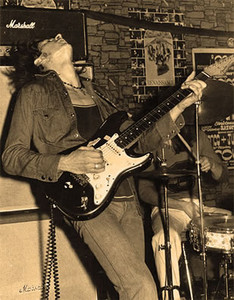 70s Proto-Metal, Heavy Psych & Obscure Hard Rock Jordan Edrei | 11.27K |
4 | Acid folk/Psychedelic folk Mikael Thomasson | 6.82K |
5 |  Midnight Blues Helmut Neubauer | 3.81K |
Audience| City | Monthly Listeners | |
|---|---|---|
1 |  | 28 |
2 | | 21 |
3 | | 20 |
4 | | 20 |
5 |  | 16 |
See full performance history, audience data, playlist activity, rankings, comparisons, and more in Viberate music analytics. Start with a free trial, then continue with a paid plan.
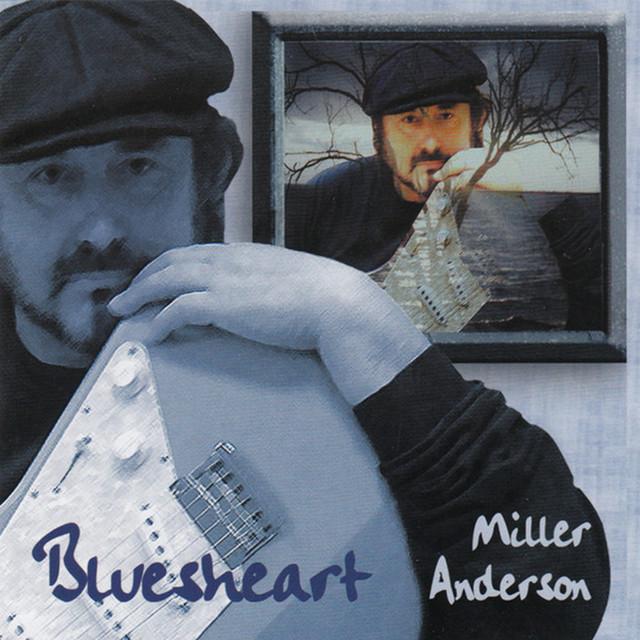
Miller Anderson’s Spotify BioMiller Anderson has been on the cutting-edge of rock for more than three decades. Although he's only released two solo albums -- Dream City in 1971 and Celtic Moon in 1988 -- the Scotland-born guitarist and vocalist has been involved with many influential musicians. Since cutting his musical teeth in bands with Ian Hunter (pre-Mott the Hoople) and Bill Bruford (pre-King Crimson and Yes), Anderson has been a member of such bands as the Keef Hartley Band, Savoy Brown, T. Rex, Mountain, the Spencer Davis Group, and in groups led by Deep Purple's Jon Lord and folk-rock balladeer Donovan. Anderson launched his career with the Royal Crests in 1964, continuing to play with the group as they evolved into Karl Stuart & the Profiles. Although he recorded one single with the Voice, "Train to Disaster" b/w "Truth," he left the band soon afterwards and was replaced by Mick Ronson. After meeting Ian Hunter during recording sessions at Regent Sound Studios, Anderson and Hunter formed a band, the… Scenery, with drummer John Verson Smith. The group, which enlarged into a quartet with the addition of keyboardist Dante Smith, released an EP in Japan. In 1967, the group became the backup band for pianist/vocalist Freddie "Fingers" Lee as the Freddie "Fingers" Lee Band. While Anderson temporarily left the group to join the Paper Blitz Tissue, where he met Bill Bruford who replaced drummer Dave Dufort, he rejoined Hunter and Lee in March 1968 to form the oddly named group At Last the 1958 Rock 'n' Roll Show. After recording one single, "I Can't Drive" b/w "Workin' on the Railroad," the band changed their name to Charlie Woolfe. Upon leaving this group, Anderson and Hunter temporarily resurrected the Scenery. In late 1968, Anderson joined the Keef Hartley Band. Although they had begun to work on their debut album, the group had changed their lead singer twice before Anderson was recruited. In addition to playing with them at the Woodstock Festival in August 1969, Anderson recorded five albums with the band -- Halfbreed, The Battle of North West, The Time Is Near, Overdrive, and the live album Little Big Band. Leaving the group to start his solo career, Anderson formed the Miller Anderson Band. Assembled to play concerts, the group never toured, instead playing several sessions for BBC Radio. Anderson continued to change bands at a lightning pace. After his band Hemlock toured as the opening act for Savoy Brown in 1973, Anderson was invited to join Kim Simmonds and Stan Webb (from Chicken Shack) to create a three-guitar lineup for Savoy Brown in January 1974. Although he wrote several songs for Savoy Brown's album Boogie Brothers, he only remained in the band until December. While he joined Blood, Sweat & Tears, he left within a few weeks following the departure of lead singer David Clayton-Thomas. Anderson's next projects included the band Dog Soldier with Keef Hartley, and a group assembled by ex-Rolling Stones guitarist Mick Taylor featuring former members of Stone the Crows. Although he joined T. Rex in August 1976, he left after helping to record the album Dandy in the Underworld to tour with Donovan. Anderson's plans to rejoin T. Rex ended with the tragic car accident death of Marc Bolan on September 16, 1977. Instead, he continued to tour with Donovan until 1978 when he and keyboardist Ronnie Leahy joined with guitarist/vocalist Jimmy McCulloch to form the Dukes. While the group recorded a minor hit, "Hearts in Trouble," they fell apart following McCulloch's death. Joining Stan Webb's Speedway in 1982, Anderson left to play bass with a resurrected Chicken Shack from September through December 1984.Anderson next became involved with Mountain. Although he was slated to play guitar in the group, which also featured original drummer Corky Laing and Ian Hunter, he switched to bass when original guitarist Leslie West rejoined the group. Anderson first collaborated with Spencer Davis in a reorganized version of the Spencer Davis Group that featured vocalist Chris Farlowe, bassist/vocalist Colin Hodgkinson, keyboardist Zoot Money, and drummer Pete York and recorded one album, Extremely Live at Birmingham Town Hall. Anderson continued to work with York in Pete York and Superblues. They rejoined the Spencer Davis Group in 1995 and 1997. In September 1993, Anderson performed solo at Blackhearth Concert Hall in South London in a show that also featured Bert Jansch, Davey Graham, and John Renbourn. Anderson played several shows with Jansch before resuming his solo career in January 1994. In June 1994, Anderson formed a trio with Miller and Colin Hodgkinson. Anderson was recruited in July 1995 for two gigs with Deep Purple keyboardist Jon Lord's group the Gemini Band. He subsequently recorded an album, Pictured Within, with Lord. Anderson's first solo album, Bright City, released in 1971, was recorded with accompaniment from the late Gary Thain (pre-Uriah Heep), Mick Weaver, and Peter Dines. His second album, Celtic Moon, released in 1988, was a mostly acoustic outing recorded with the Spencer Davis Group. ~ Craig Harris, Rovi
Viberate is a music analytics platform built for A&Rs, artist managers, labels, booking agents, marketers, and artists.
It helps music professionals track artist growth, analyze audience data, monitor playlist activity, compare artists, follow song performance, and identify opportunities across the music market.
Public artist pages provide a free preview of selected artist data. Paid plans provide access to deeper analytics, historical data, charts, comparisons, playlist tools, exports, alerts, reports, and additional professional features.
Yes. Public Viberate artist pages provide selected artist analytics and music data for free.
Viberate also offers a 7-day free trial of the full platform. A credit card is required to start the trial. The trial includes access to the complete product so users can test deeper artist analytics, historical views, playlist insights, comparisons, charts, exports, alerts, and reporting features before choosing a paid plan.
Viberate provides artist analytics across streaming, playlists, social media, video, radio airplay, songs, and audience markets.
Users can analyze Spotify performance, Spotify and Apple Music playlists, YouTube activity, TikTok and Instagram growth, radio spins, song performance, audience locations, demographics, rankings, and overall artist momentum.
Artist profiles also connect to music charts, similar artists, and comparison tools, helping users benchmark performance and evaluate artists in context.
Viberate updates key artist and track data daily.
For followed artists and tracks, selected data is refreshed multiple times per day. This helps teams monitor playlist changes, streaming movement, audience growth, releases, and campaign performance with more current data.
Update frequency can vary depending on the metric and data source.
Yes. Viberate lets users compare up to five artists side by side across streaming, social media, audience, and engagement metrics.
Users can compare fanbase growth, audience demographics, locations, Spotify performance, social metrics, and other artist data over selected time periods.
Artist comparison can be used for A&R scouting, benchmarking, booking decisions, campaign planning, and evaluating artists with similar audiences or market positions.