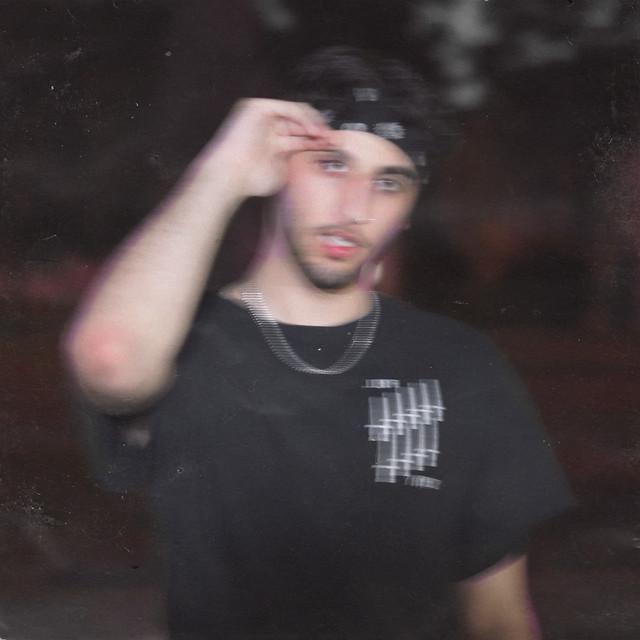
Miles Powers

Hip Hop
Contemporary Hip Hop
Underground Hip Hop
 Viberate Rank: 195883
 Viberate Rank: 195883
 Monthly ListenersFollowers
 Subscribers
 Followers
 Followers
 FansTop Spotify Songs
| Track | 7-Day Streams | |
|---|---|---|
1 | 6.07K | |
2 | 2.80K | |
3 | 2.76K | |
4 | 2.34K | |
5 | 2.04K |
Top YouTube VideosMonthly ListenersFeatured in Playlists| Playlist | Followers | |
|---|---|---|
1 |  Aviencloud Uploads Aviencloud | 25.95K |
2 |  LoFi Rap James Schulz | 19.13K |
3 |  Rapology rapcentric | 16.05K |
4 |  songs to eat glass to Machine Girl | 8.89K |
5 |  Some Cool Rap Songs Mikey Colville | 5.90K |
Audience| City | Monthly Listeners | |
|---|---|---|
1 | | 549 |
2 | | 482 |
3 | | 431 |
4 | | 395 |
5 | | 380 |
See full performance history, audience data, playlist activity, rankings, comparisons, and more in Viberate music analytics. Start with a free trial, then continue with a paid plan.
Miles Powers’ Spotify BioHailing from Portland, Oregon, Miles began making music in 2016. In 2018 they became a founding member of punk-rock-inspired internet rap group Cemetery Drive (now inactive), and began their solo career in earnest in 2020. Their career gained traction and a foundation of close listeners with the release of fan-favorites such as The Jippy Tape in 2022 and Lurk (a lot) in 2024.
Miles’ music reflects and embraces the contradictions of life and of identity, of confidence and humility, of autonomy and limit, of humor and joy in sadness. When we befriend our pain it dissipates. When we share our parallel journeys from a place of authenticity and ownership, vulnerability is a strength. Art is a spiritual practice that can be as serious or as lightweight as the moment calls for.
In their early teens Miles memorized an encyclopedia of lyrics while falling in love with the writing, craft, and conviction of artists like Big L, Rakim, and Ms. Lauryn Hill. Like many contemporaries (such as JID and… Sylvan LaCue), Miles’ work centers on interpreting the spirit and sensibilities of an earlier generation of hip-hop through the lenses of modern aesthetics and of their own life and experiences.
Viberate is a music analytics platform built for A&Rs, artist managers, labels, booking agents, marketers, and artists.
It helps music professionals track artist growth, analyze audience data, monitor playlist activity, compare artists, follow song performance, and identify opportunities across the music market.
Public artist pages provide a free preview of selected artist data. Paid plans provide access to deeper analytics, historical data, charts, comparisons, playlist tools, exports, alerts, reports, and additional professional features.
Yes. Public Viberate artist pages provide selected artist analytics and music data for free.
Viberate also offers a 7-day free trial of the full platform. A credit card is required to start the trial. The trial includes access to the complete product so users can test deeper artist analytics, historical views, playlist insights, comparisons, charts, exports, alerts, and reporting features before choosing a paid plan.
Viberate provides artist analytics across streaming, playlists, social media, video, radio airplay, songs, and audience markets.
Users can analyze Spotify performance, Spotify and Apple Music playlists, YouTube activity, TikTok and Instagram growth, radio spins, song performance, audience locations, demographics, rankings, and overall artist momentum.
Artist profiles also connect to music charts, similar artists, and comparison tools, helping users benchmark performance and evaluate artists in context.
Viberate updates key artist and track data daily.
For followed artists and tracks, selected data is refreshed multiple times per day. This helps teams monitor playlist changes, streaming movement, audience growth, releases, and campaign performance with more current data.
Update frequency can vary depending on the metric and data source.
Yes. Viberate lets users compare up to five artists side by side across streaming, social media, audience, and engagement metrics.
Users can compare fanbase growth, audience demographics, locations, Spotify performance, social metrics, and other artist data over selected time periods.
Artist comparison can be used for A&R scouting, benchmarking, booking decisions, campaign planning, and evaluating artists with similar audiences or market positions.