Mike Shiflet

Electronic
Other Electronic Music
Drone
 Viberate Rank: 939856
 Viberate Rank: 939856
 Monthly ListenersFollowers
 Subscribers
 Followers
 Followers
 FansTop Spotify Songs
| Track | 7-Day Streams | |
|---|---|---|
1 | 2 | |
2 | 1 | |
3 | 1 |
Top YouTube VideosMonthly ListenersFeatured in Playlists| Playlist | Followers | |
|---|---|---|
1 |  Ambient/Music for Reading & Study Alex Zoloto | 1.86K |
2 |  The Sound of Experimental Ambient The Sounds of Spotify | 1.67K |
3 |  The Sound of Abstractro The Sounds of Spotify | 1.06K |
Audience| City | Monthly Listeners | |
|---|---|---|
1 | | 3 |
See full performance history, audience data, playlist activity, rankings, comparisons, and more in Viberate music analytics. Start with a free trial, then continue with a paid plan.
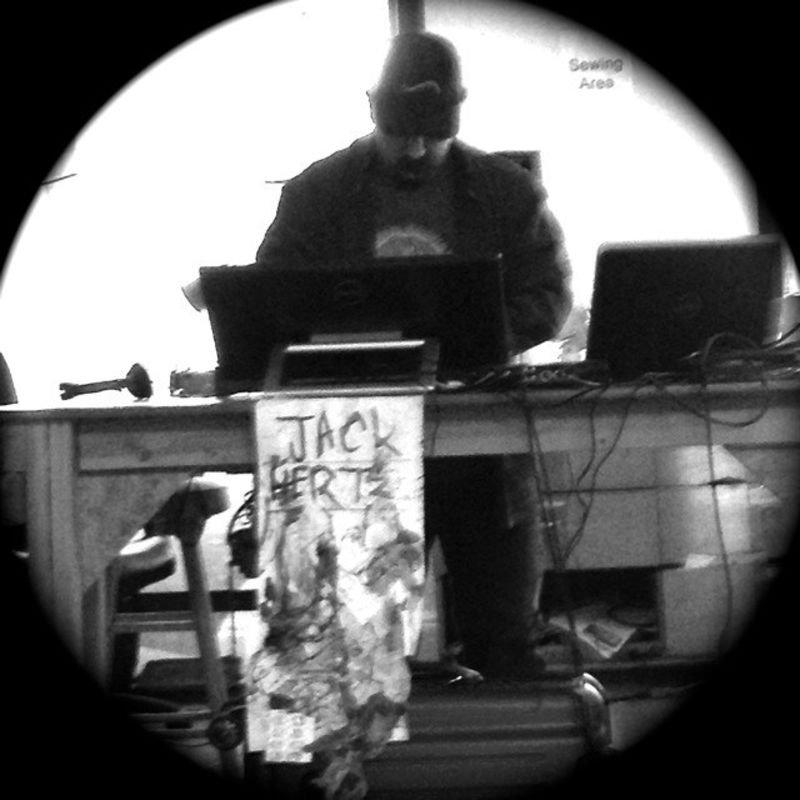
Mike Shiflet’s Spotify BioColumbus, Ohio-based guitarist Mike Shiflet started Gameboy Records in the late 1990s, releasing limited tapes, 7"s, and CD-Rs by dozens of noise and experimental artists, including John Wiese, Cock E.S.P., Lasse Marhaug, Sudden Infant, and Crank Sturgeon. Shiflet's myriad recordings and performances explored harsh noise and drone, often focusing on high frequencies. He joined violinist C. Spencer Yeh's ensemble Burning Star Core in 2004, appearing on several of the group's recordings, including Operator Dead... Post Abandoned and Papercuts Theater. Shiflet relocated to Japan in 2006, continuing to operate Gameboy Records until 2008, when he moved back to America. He released collaborations and splits with a number of artists, including Aaron Dilloway, Daniel Menche, Keith Fullerton Whitman, and Ryan Jewell, and released a pair of solo albums on Type, 2011's Sufferers and 2012's Merciless. He returned to Type in 2015 with his most atmospheric, melodic album to date, Awake, a… collaboration with Rhode Island-based High Aura'd. ~ Paul Simpson, Rovi
Viberate is a music analytics platform built for A&Rs, artist managers, labels, booking agents, marketers, and artists.
It helps music professionals track artist growth, analyze audience data, monitor playlist activity, compare artists, follow song performance, and identify opportunities across the music market.
Public artist pages provide a free preview of selected artist data. Paid plans provide access to deeper analytics, historical data, charts, comparisons, playlist tools, exports, alerts, reports, and additional professional features.
Yes. Public Viberate artist pages provide selected artist analytics and music data for free.
Viberate also offers a 7-day free trial of the full platform. A credit card is required to start the trial. The trial includes access to the complete product so users can test deeper artist analytics, historical views, playlist insights, comparisons, charts, exports, alerts, and reporting features before choosing a paid plan.
Viberate provides artist analytics across streaming, playlists, social media, video, radio airplay, songs, and audience markets.
Users can analyze Spotify performance, Spotify and Apple Music playlists, YouTube activity, TikTok and Instagram growth, radio spins, song performance, audience locations, demographics, rankings, and overall artist momentum.
Artist profiles also connect to music charts, similar artists, and comparison tools, helping users benchmark performance and evaluate artists in context.
Viberate updates key artist and track data daily.
For followed artists and tracks, selected data is refreshed multiple times per day. This helps teams monitor playlist changes, streaming movement, audience growth, releases, and campaign performance with more current data.
Update frequency can vary depending on the metric and data source.
Yes. Viberate lets users compare up to five artists side by side across streaming, social media, audience, and engagement metrics.
Users can compare fanbase growth, audience demographics, locations, Spotify performance, social metrics, and other artist data over selected time periods.
Artist comparison can be used for A&R scouting, benchmarking, booking decisions, campaign planning, and evaluating artists with similar audiences or market positions.