Mike Salow

Metal
Progressive Metal
Melodic Metal
 Viberate Rank: 91065
 Viberate Rank: 91065
 Monthly ListenersFollowers
 Subscribers
 Followers
 Followers
 FansTop Spotify Songs
| Track | 7-Day Streams | |
|---|---|---|
1 | 3 | |
2 | 2 | |
3 | 1 |
Top YouTube Videos| Video | 7-Day Views | |
|---|---|---|
1 | 2.88K | |
2 | 2.31K | |
3 | 1.72K | |
4 | 1.41K | |
5 | 1.25K |
Monthly ListenersFeatured in Playlists| Playlist | Followers | |
|---|---|---|
1 | GUITARISTS PLAYLIST Guitar Players Gods Legends Hero’s Shred Shredders Instrumental Van Halen Eddie Satriani Guitarra Yngwie Vai Bonamassa Hendrix Metal Rob Johnson | 2.73K |
Audience| City | Monthly Listeners | |
|---|---|---|
1 | | 3 |
See full performance history, audience data, playlist activity, rankings, comparisons, and more in Viberate music analytics. Start with a free trial, then continue with a paid plan.
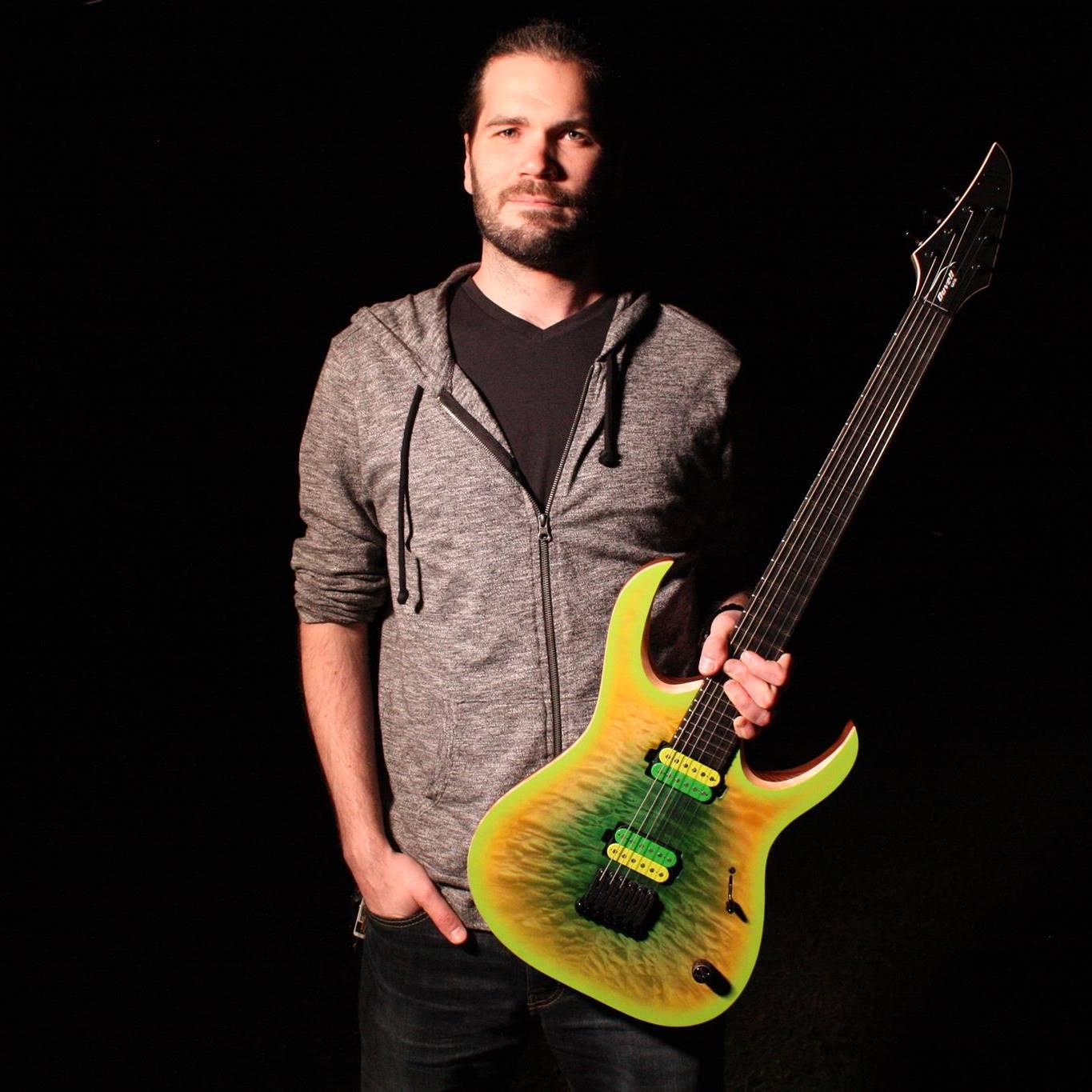
Mike Salow’s Spotify BioMike Salow is an American progressive metal & fusion guitarist based out of Minneapolis, Minnesota. He is co-founder of the progressive metal band, Ideology, with Five Finger Death Punch/Scale the Summit drummer, Charlie Engen.
Mike is a graduate of McNally Smith College of Music where he studied guitar performance with some of the industries leading instructors. A year after graduating, Mike was asked to come back to McNally Smith to teach alongside his previous college instructors.
Mike's musical influences range across the gamut of musical styles. The influences during his earlier years of guitar playing were primarily classic rock & metal based. Metallica, Pantera, Van Halen, Ozzy, Heart, The Doobie Brothers, and Led Zeppelin were accompanied by more modern metal bands like Lamb of God, In Flames, Static X, Killswitch Engage, Shadows Fall, Mudvayne, and Slipknot. As Mike entered later teens and ultimately into music college his influences expanded to progressive metal, fusion, blues,… jazz, and even country. John Petrucci, Steve Vai, Yngwie Malmsteen, Guthrie Govan, Brett Garsed, Greg Howe, Johnny Hiland, Robben Ford, Mike Stern, Pat Martino, Pat Metheny, Allan Holdsworth, and John Scofield are some of guitarists that had the largest influence on Mike's signature metal/fusion style.
Viberate is a music analytics platform built for A&Rs, artist managers, labels, booking agents, marketers, and artists.
It helps music professionals track artist growth, analyze audience data, monitor playlist activity, compare artists, follow song performance, and identify opportunities across the music market.
Public artist pages provide a free preview of selected artist data. Paid plans provide access to deeper analytics, historical data, charts, comparisons, playlist tools, exports, alerts, reports, and additional professional features.
Yes. Public Viberate artist pages provide selected artist analytics and music data for free.
Viberate also offers a 7-day free trial of the full platform. A credit card is required to start the trial. The trial includes access to the complete product so users can test deeper artist analytics, historical views, playlist insights, comparisons, charts, exports, alerts, and reporting features before choosing a paid plan.
Viberate provides artist analytics across streaming, playlists, social media, video, radio airplay, songs, and audience markets.
Users can analyze Spotify performance, Spotify and Apple Music playlists, YouTube activity, TikTok and Instagram growth, radio spins, song performance, audience locations, demographics, rankings, and overall artist momentum.
Artist profiles also connect to music charts, similar artists, and comparison tools, helping users benchmark performance and evaluate artists in context.
Viberate updates key artist and track data daily.
For followed artists and tracks, selected data is refreshed multiple times per day. This helps teams monitor playlist changes, streaming movement, audience growth, releases, and campaign performance with more current data.
Update frequency can vary depending on the metric and data source.
Yes. Viberate lets users compare up to five artists side by side across streaming, social media, audience, and engagement metrics.
Users can compare fanbase growth, audience demographics, locations, Spotify performance, social metrics, and other artist data over selected time periods.
Artist comparison can be used for A&R scouting, benchmarking, booking decisions, campaign planning, and evaluating artists with similar audiences or market positions.