Mike Ladd

Hip Hop
Contemporary Hip Hop
Jazz Fusion
 Viberate Rank: 148530
 Viberate Rank: 148530
 Monthly ListenersFollowers
 Subscribers
 Followers
 Followers
 FansTop Spotify Songs
| Track | 7-Day Streams | |
|---|---|---|
1 | 8.14K | |
2 | 2.69K | |
3 | 2.28K | |
4 | 1.93K | |
5 | 942 |
Top YouTube VideosMonthly ListenersFeatured in Playlists| Playlist | Followers | |
|---|---|---|
1 |  HEADPHONES Ditto Music | 52.57K |
2 |  Best Of DnB 2024 vs. Time Machine 🥵 Benedikt Picker | 40.46K |
3 |  Watch Dogs 2 PlayStation®️ | 33.73K |
4 |  World Music 🌍 Wessel te Winkel | 30.68K |
5 | Hip Hop Jazz marcstolz | 17.45K |
Audience| City | Monthly Listeners | |
|---|---|---|
1 |  | 965 |
2 |  | 755 |
3 |  | 691 |
4 |  | 469 |
5 |  | 441 |
See full performance history, audience data, playlist activity, rankings, comparisons, and more in Viberate music analytics. Start with a free trial, then continue with a paid plan.
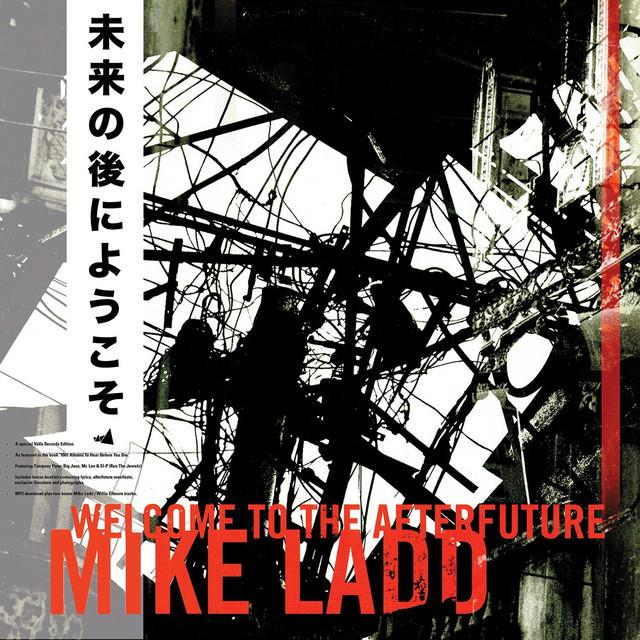
Mike Ladd’s Spotify BioMike Ladd is an iconoclast hip-hop figure, a producer with studio smarts and an intelligent MC as well, but a man with a wide-ranging set of aims that occasionally interfere with his music. The Bronx-based Ladd, whose roots lie in poetry and performance, has close ties to largely spoken-word artists like Saul Williams or Carl Hancock Rux as well as underground rap maestros like El-P or New Flesh. Born in Cambridge, MA, Ladd played bass or drums in varying types of garage bands while in high school and gathered a diverse set of influences, ranging from Funkadelic to King Tubby to Minor Threat to the work of Chess staff arranger Charles Stepney. He stayed close to home for college and spent time as a graduate student in English Lit at Boston University. He gained favor in spoken poetry circles, winning the Nuyorican Poets Café Slam and also having his writing published in the 1996 protest tome In Defense of Mumia. He'd also begun producing and rapping, and released his first album, Easy… Listening 4 Armageddon, in 1997 on Scratchie. Critical praise led to a deal between his Likemadd label and Ozone Music for 2000's Welcome to the Afterfuture and the following year's Vernacular Homicide EP. Ladd had already recorded a 1998 single for top British underground label Big Dada, and he returned there for his third full-length, 2000's Gun Hill Road. The first in a series of underground full-lengths staging a battle between the forces of good and evil (in hip-hop), it appeared as the Infesticons and earned the highest profile of any of his releases. The second, Beauty Party (recorded as the Majesticons), followed in 2003, and that same year Ladd collaborated with keyboardist Vijay Iyer on the post-9/11 inquiry In What Language? (the duo also completed Still Life with Commentary in 2007, and Iyer added his skills to a number of Ladd's solo records). In 2004 the Berlin-based label !K7 released the musician's genre-bounding Nostalgialator -- reissued in North America on Def Jux in early 2008 -- and the following year both Negrophilia: The Album and Father Divine came out. ~ John Bush, Rovi
Viberate is a music analytics platform built for A&Rs, artist managers, labels, booking agents, marketers, and artists.
It helps music professionals track artist growth, analyze audience data, monitor playlist activity, compare artists, follow song performance, and identify opportunities across the music market.
Public artist pages provide a free preview of selected artist data. Paid plans provide access to deeper analytics, historical data, charts, comparisons, playlist tools, exports, alerts, reports, and additional professional features.
Yes. Public Viberate artist pages provide selected artist analytics and music data for free.
Viberate also offers a 7-day free trial of the full platform. A credit card is required to start the trial. The trial includes access to the complete product so users can test deeper artist analytics, historical views, playlist insights, comparisons, charts, exports, alerts, and reporting features before choosing a paid plan.
Viberate provides artist analytics across streaming, playlists, social media, video, radio airplay, songs, and audience markets.
Users can analyze Spotify performance, Spotify and Apple Music playlists, YouTube activity, TikTok and Instagram growth, radio spins, song performance, audience locations, demographics, rankings, and overall artist momentum.
Artist profiles also connect to music charts, similar artists, and comparison tools, helping users benchmark performance and evaluate artists in context.
Viberate updates key artist and track data daily.
For followed artists and tracks, selected data is refreshed multiple times per day. This helps teams monitor playlist changes, streaming movement, audience growth, releases, and campaign performance with more current data.
Update frequency can vary depending on the metric and data source.
Yes. Viberate lets users compare up to five artists side by side across streaming, social media, audience, and engagement metrics.
Users can compare fanbase growth, audience demographics, locations, Spotify performance, social metrics, and other artist data over selected time periods.
Artist comparison can be used for A&R scouting, benchmarking, booking decisions, campaign planning, and evaluating artists with similar audiences or market positions.