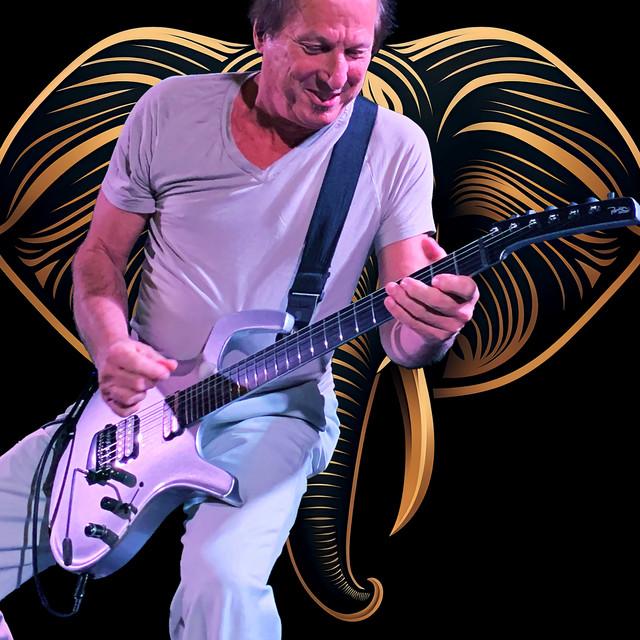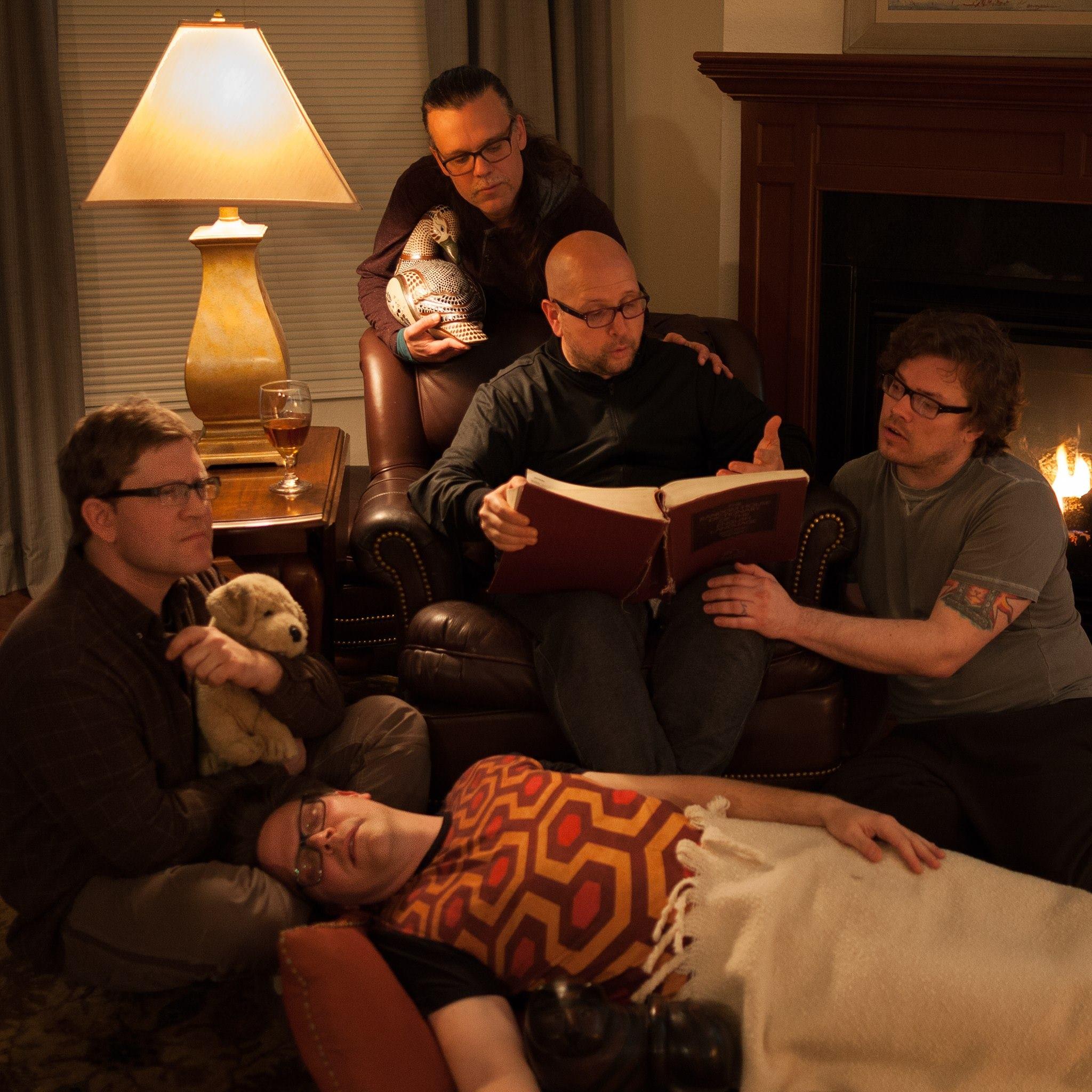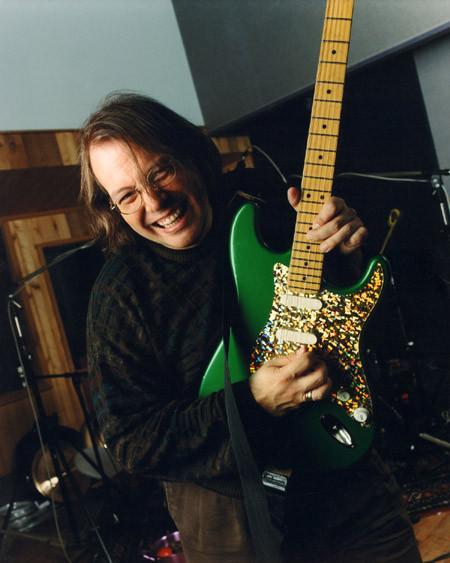
Mike Keneally

Rock
Progressive Rock
 Viberate Rank: 163134
 Viberate Rank: 163134
 Monthly ListenersFollowers
 Subscribers
 Followers
 Followers
 FansTop Spotify Songs
| Track | 7-Day Streams | |
|---|---|---|
1 | 101 | |
2 | 88 | |
3 | 75 | |
4 | 72 | |
5 | 66 |
Top YouTube VideosMonthly ListenersFeatured in Playlists| Playlist | Followers | |
|---|---|---|
1 | Jazz Fusion, Progressive Rock, & Jam Bands Curator Seedpicker | 7.16K |
2 | Melodic-Progressive-Metal genus amoris | 4.06K |
3 |  grilled cheese + strawberry slush Kelsie x The Yellow Button | 3.60K |
4 | Best Cover Songs in one Playlist Felix Meirich | 1.26K |
5 |  Instrumental Prog Raza | 1.16K |
Audience| City | Monthly Listeners | |
|---|---|---|
1 | | 11 |
2 |  | 9 |
3 | | 9 |
4 |  | 9 |
5 | | 8 |
See full performance history, audience data, playlist activity, rankings, comparisons, and more in Viberate music analytics. Start with a free trial, then continue with a paid plan.
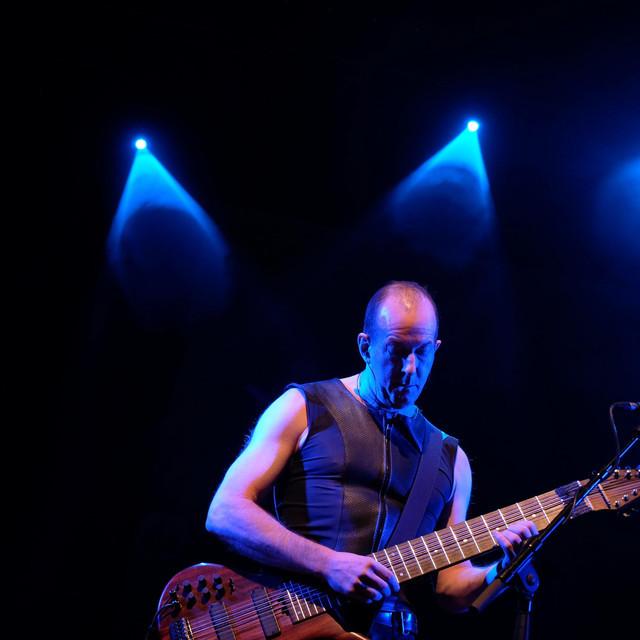
Mike Keneally’s Spotify BioMike Keneally obviously doesn't like to be labeled -- he's a bandleader and bandmember, a rock and jazz fusion player, and also an outstanding guitarist, vocalist, keyboardist, and percussionist. Taking up keyboards at age five, Keneally's life changed when he moved from New York to California in 1970 and heard Frank Zappa for the first time at age ten. Woodshedding for the next 15 years as a self-taught guitarist, Keneally formed a band called Drop Control in his hometown of San Diego in 1985 and became one of the city's musical heroes. Keneally auditioned for Zappa's band in 1987 as a "stunt guitar" replacement for Steve Vai, and was hired as a guitarist, keyboardist, and vocalist. The multi-instrumentalist would appear on some classic Zappa albums like Broadway the Hard Way and The Best Band You Never Heard in Your Life, but little did he know that his lineup would be Zappa's final touring band. Between 1988 and 1991, Keneally performed with Drop Control and Zappa's son Dweezil's… band Z, toyed with studio-musician status, and moved to Los Angeles.
After working on the Grammy-winning tribute album Zappa's Universe, Keneally started a solo career with his 1992 debut album, Hat. Quirky and hard to categorize (with Zappa trademarks like classical undertones, stuttering, jazz-like rhythms, and humorous lyrics), the debut was a big hit with critics. But the next year would claim both Keneally's father and Zappa, leading to the moody yet brilliant 1994 CD Boil That Dust Speck. Ranging from intense rock ("Skunk") to ballads ("Blameless [The Floating Face]") to Keneally's closing percussion tribute saga to Zappa, "The Old Boat Guy," the disc showcased every facet of his array of talents. Leaving Z in 1996 and naming his solo touring band Beer for Dolphins, Keneally released the riotous double CD Half Alive in Hollywood, featuring one disc of live-in-a-studio originals and one of live stage performances (including covers of Jimi Hendrix's "Power to Love" and Led Zeppelin's "Immigrant Song"). He also formed a band called the Mistakes, with Henry Kaiser, Andy West (Dixie Dregs), and Prairie Prince (the Tubes), who released a self-titled album.
The same year, Keneally joined fellow Zappa alumnus Steve Vai's band, playing on the G3 Tour over the next year with Joe Satriani, Eric Johnson, Robert Fripp, and Kenny Wayne Shepherd. Playing classical piano-like keyboard lines, percussion, and intricate harmonized guitar lines with rock virtuoso Vai, Keneally helped the band steal the G3 show often (as evidenced by the G3: Live in Concert CD). Between releases by Beer for Dolphins (1997's Sluggo!; 2000's Dancing) and solo albums (1999's Nonkertompf, on which he played all of the instruments), Keneally also found time to record two CDs with Vai, 1999's The Ultra Zone and 2001's Alive in an Ultra World.
In 2001, Keneally got a new acoustic guitar, which led to the release of the largely acoustic-based and mellow Wooden Smoke, which showed yet another side of Keneally's musical personality. For another interesting detour, in 2002, Keneally was approached by Co de Kloet, commissioning director for Holland's NPS Radio, and was commissioned to write music for electric guitar and orchestra. The resulting music and live performances with the renowned Metropole Orchestra were such a success that de Kloet started the NPS Output label to release The Universe Will Provide in 2004, just a month after Keneally turned around and delivered his hardest-rocking album to date, Dog, with the newly christened Mike Keneally Band. Just a few months after that came Piano Reductions, Vol. 1, an album of Vai songs played solo on piano that was actually recorded in 1999 at Steve's request. As if he weren't busy enough, around the same time he got involved with Henry Kaiser and Wadada Leo Smith's Yo Miles! project, appearing on both Sky Garden and Upriver.
The Mike Keneally Band hit the road in 2005, playing across the U.S., with Guitar Therapy Live appearing as the tour document in 2006. That same year, Keneally acquired the rights to his early catalog on Immune with plans to re-release it in deluxe editions in 2007 on Exowax (each of Keneally's Exowax recordings has been available as a limited-edition package with lots of bonus material). With his wide-ranging talents and ability to be creative in almost any musical situation, Keneally is the leading progressive rock genius of the post-Zappa era. ~ Bill Meredith & Sean Westergaard, Rovi
Viberate is a music analytics platform built for A&Rs, artist managers, labels, booking agents, marketers, and artists.
It helps music professionals track artist growth, analyze audience data, monitor playlist activity, compare artists, follow song performance, and identify opportunities across the music market.
Public artist pages provide a free preview of selected artist data. Paid plans provide access to deeper analytics, historical data, charts, comparisons, playlist tools, exports, alerts, reports, and additional professional features.
Yes. Public Viberate artist pages provide selected artist analytics and music data for free.
Viberate also offers a 7-day free trial of the full platform. A credit card is required to start the trial. The trial includes access to the complete product so users can test deeper artist analytics, historical views, playlist insights, comparisons, charts, exports, alerts, and reporting features before choosing a paid plan.
Viberate provides artist analytics across streaming, playlists, social media, video, radio airplay, songs, and audience markets.
Users can analyze Spotify performance, Spotify and Apple Music playlists, YouTube activity, TikTok and Instagram growth, radio spins, song performance, audience locations, demographics, rankings, and overall artist momentum.
Artist profiles also connect to music charts, similar artists, and comparison tools, helping users benchmark performance and evaluate artists in context.
Viberate updates key artist and track data daily.
For followed artists and tracks, selected data is refreshed multiple times per day. This helps teams monitor playlist changes, streaming movement, audience growth, releases, and campaign performance with more current data.
Update frequency can vary depending on the metric and data source.
Yes. Viberate lets users compare up to five artists side by side across streaming, social media, audience, and engagement metrics.
Users can compare fanbase growth, audience demographics, locations, Spotify performance, social metrics, and other artist data over selected time periods.
Artist comparison can be used for A&R scouting, benchmarking, booking decisions, campaign planning, and evaluating artists with similar audiences or market positions.