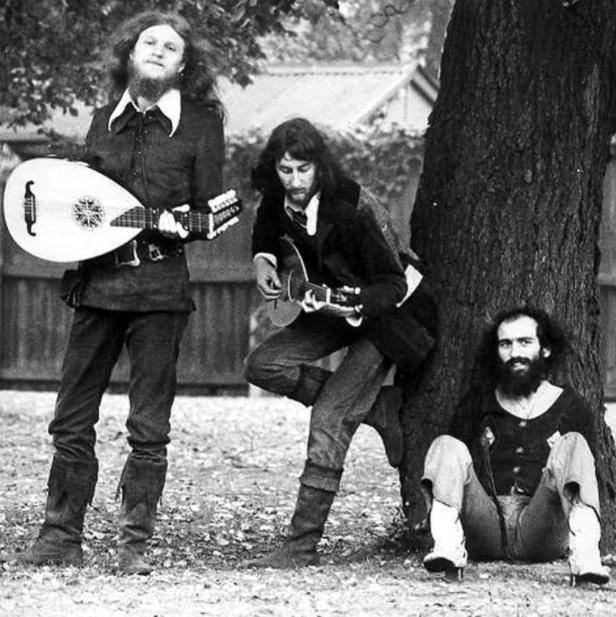
Mike Heron

Rock
Folk Rock
Pop Rock
 Viberate Rank: 539152
 Viberate Rank: 539152
 Monthly ListenersFollowers
 Subscribers
 Followers
 Followers
 FansTop Spotify Songs
| Track | 7-Day Streams | |
|---|---|---|
1 | 178 | |
2 | 57 | |
3 | 29 | |
4 | 29 | |
5 | 26 |
Top YouTube VideosMonthly ListenersFeatured in Playlists| Playlist | Followers | |
|---|---|---|
1 | Unofficial Reverb Radio Jeff Ferruzzo | 21.82K |
2 |  REVERBERATION RADIO Giel van der Leest | 6.62K |
3 |  NEW YORK RAP / 90's & 2000's / The Prime Mecca Kaine78 | 3.24K |
4 |  RARE RAP & HIP HOP INSTRUMENTALS 🎹 Divo | 1.67K |
5 |  Boom Bap Instrumentals Ville Kyyny | 1.48K |
Audience| City | Monthly Listeners | |
|---|---|---|
1 | | 31 |
2 | | 15 |
3 |  | 13 |
4 | | 11 |
5 |  | 11 |
See full performance history, audience data, playlist activity, rankings, comparisons, and more in Viberate music analytics. Start with a free trial, then continue with a paid plan.
Mike Heron’s Spotify BioA multi-instrumentalist and veteran of several U.K. beat-era groups, Mike Heron co-founded the psychedelic folk outfit Incredible String Band with Robin Williamson and Clive Palmer. Heron's first solo outing, Smiling Men with Bad Reputations, released in 1971 on Island Records, included such names as the Who and John Cale in the credits, but remained true to the spirit of his main band. After the Incredible String Band split in 1974, Heron formed Mike Heron's Reputation. This outfit followed a rock-oriented path, but released only one self-titled set on Neighbourhood Records. Heron went on to record many more solo albums on a variety of labels, although none has achieved the degree of success that his former association with Williamson brought.
In 1997, the two former colleagues reunited for select concert dates, one of which was featured on the excellent Bloomsbury 1997 release. Palmer came on board two years later for a series of Incredible String Band shows in the U.K. and Europe,… and this lineup (with Williamson's wife Bina and Lawson Dando) continued to play on a regular basis until Williamson withdrew from touring to concentrate on solo work again.
Viberate is a music analytics platform built for A&Rs, artist managers, labels, booking agents, marketers, and artists.
It helps music professionals track artist growth, analyze audience data, monitor playlist activity, compare artists, follow song performance, and identify opportunities across the music market.
Public artist pages provide a free preview of selected artist data. Paid plans provide access to deeper analytics, historical data, charts, comparisons, playlist tools, exports, alerts, reports, and additional professional features.
Yes. Public Viberate artist pages provide selected artist analytics and music data for free.
Viberate also offers a 7-day free trial of the full platform. A credit card is required to start the trial. The trial includes access to the complete product so users can test deeper artist analytics, historical views, playlist insights, comparisons, charts, exports, alerts, and reporting features before choosing a paid plan.
Viberate provides artist analytics across streaming, playlists, social media, video, radio airplay, songs, and audience markets.
Users can analyze Spotify performance, Spotify and Apple Music playlists, YouTube activity, TikTok and Instagram growth, radio spins, song performance, audience locations, demographics, rankings, and overall artist momentum.
Artist profiles also connect to music charts, similar artists, and comparison tools, helping users benchmark performance and evaluate artists in context.
Viberate updates key artist and track data daily.
For followed artists and tracks, selected data is refreshed multiple times per day. This helps teams monitor playlist changes, streaming movement, audience growth, releases, and campaign performance with more current data.
Update frequency can vary depending on the metric and data source.
Yes. Viberate lets users compare up to five artists side by side across streaming, social media, audience, and engagement metrics.
Users can compare fanbase growth, audience demographics, locations, Spotify performance, social metrics, and other artist data over selected time periods.
Artist comparison can be used for A&R scouting, benchmarking, booking decisions, campaign planning, and evaluating artists with similar audiences or market positions.