Mike Grant

Electronic
House
Deep House
 Viberate Rank: 271308
 Viberate Rank: 271308
 Monthly ListenersFollowers
 Subscribers
 Followers
 Followers
 FansTop Spotify Songs
| Track | 7-Day Streams | |
|---|---|---|
1 | 861 | |
2 | 716 | |
3 | 47 | |
4 | 44 | |
5 | 29 |
Top YouTube VideosMonthly ListenersFeatured in Playlists| Playlist | Followers | |
|---|---|---|
1 |  Disclosure's Record Bag Disclosure | 60.50K |
2 |  Deep House Classics 2026 Thomas Coxhead | 15.03K |
3 |  BEN UFO - TRACKS PLAYED/POSTED BY BUFO Amanda Claudio | 12.04K |
4 |  Motor City Drum Ensemble Selections [MCDE] Musical Metaphors | 11.03K |
5 |  House/Deep House grooves All that Music ATM | 9.89K |
Audience| City | Monthly Listeners | |
|---|---|---|
1 |  | 102 |
2 |  | 58 |
3 | | 44 |
4 |  | 41 |
5 |  | 41 |
See full performance history, audience data, playlist activity, rankings, comparisons, and more in Viberate music analytics. Start with a free trial, then continue with a paid plan.
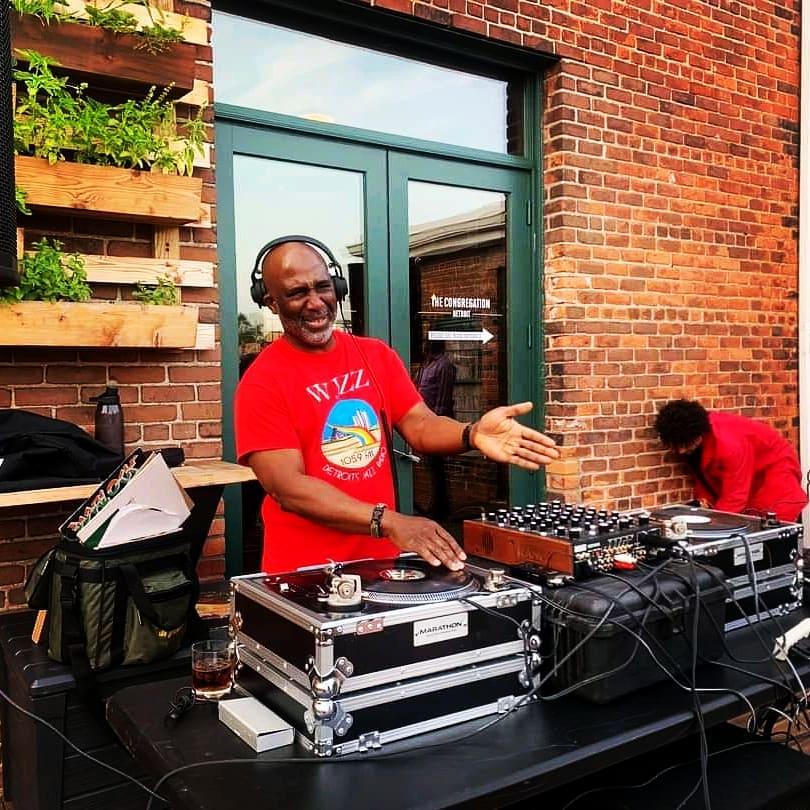
Mike Grant’s Spotify BioAt the end of the 1990s, Mike Grant re-emerged as one of the leading figures in Detroit's growing house scene after spending the majority of the decade and the late '80s pursuing other ambitions. When Grant's fresh Moods & Grooves label began raising more than a few eyebrows with its catalog of releases by many of Detroit's best house producers -- as well as many other soulful non-Detroit artists such as G Flame & Mr. G. and Brian Harden -- few knew that he had been a key figure in the Motor City's early- to mid-'80s electronic dance scene as a talented DJ. His musical career began at an early age, influenced by Detroit's fledgling music scene and his uncle, the general manager at a local R&B/dance radio station, WKWM. By 1980, the young Grant had joined a DJ collective known as Men of Music while becoming close friends with schoolmate Blake Baxter. Grant and Baxter began swapping DJ tactics and mix tapes, with Grant eventually joining Baxter's DJ group, the Beat Sound Company. A few… years later, in 1983, Grant was scoring club residencies in Detroit alongside legends such as Ken Collier and also managed to make appearances on The Scene, a video dance show on WGPR alongside other local superstars such as Jeff Mills. During this mid-'80s era, Grant's reputation as one of the city's top DJs led to eventual friendships and partnerships with many of that era's other top DJs, most notably future techno legends Eddie Fowlkes, Derrick May, and Juan Atkins. During the summer of 1985, he became a member of Detroit's first radio mix show, Street Beat, where alongside his other talented peers, the foundation for what would later become early Detroit techno was ultimately formed. Yet while Atkins, May, Mills, and Kevin Saunderson began creating the first techno records in the mid- to late '80s -- and becoming global legends in the process -- Grant stayed true to his decision to join the military. During this time, he continued to DJ on the military base and in Seattle, where he practically introduced the sounds of Detroit techno to the unsuspecting West Coast. Following his time in the military, Grant then studied telecommunications in Chicago and began his career in this same field, while occasionally returning to his hometown for the occasional performance. In the late '90s, he planned his return, beginning with a recording as Black Noise on Metroplex Records, titled "Nature of the Beast." This dark, monstrous techno record renewed interest, cumulating with its inclusion on mix CDs such as Juan Atkins' Wax Trax! Mastermix and DJ T-1000's Live Sabotage. But it wasn't with techno that Grant would soon find recognition but rather with the soulful grooves of house music. Instead of just DJing and producing tracks, he went to the lengths of starting his own label, Moods & Grooves, and began releasing the work of his peers -- such as Alton Miller and Brett Dancer -- as well as his own music. By mid-2000, the label had received substantial acclaim -- including a high-profile appearance by Grant at the landmark Detroit Electronic Music Festival -- and plans were underway to start additional labels focusing on techno and urban sounds. ~ Jason Birchmeier, Rovi
Viberate is a music analytics platform built for A&Rs, artist managers, labels, booking agents, marketers, and artists.
It helps music professionals track artist growth, analyze audience data, monitor playlist activity, compare artists, follow song performance, and identify opportunities across the music market.
Public artist pages provide a free preview of selected artist data. Paid plans provide access to deeper analytics, historical data, charts, comparisons, playlist tools, exports, alerts, reports, and additional professional features.
Yes. Public Viberate artist pages provide selected artist analytics and music data for free.
Viberate also offers a 7-day free trial of the full platform. A credit card is required to start the trial. The trial includes access to the complete product so users can test deeper artist analytics, historical views, playlist insights, comparisons, charts, exports, alerts, and reporting features before choosing a paid plan.
Viberate provides artist analytics across streaming, playlists, social media, video, radio airplay, songs, and audience markets.
Users can analyze Spotify performance, Spotify and Apple Music playlists, YouTube activity, TikTok and Instagram growth, radio spins, song performance, audience locations, demographics, rankings, and overall artist momentum.
Artist profiles also connect to music charts, similar artists, and comparison tools, helping users benchmark performance and evaluate artists in context.
Viberate updates key artist and track data daily.
For followed artists and tracks, selected data is refreshed multiple times per day. This helps teams monitor playlist changes, streaming movement, audience growth, releases, and campaign performance with more current data.
Update frequency can vary depending on the metric and data source.
Yes. Viberate lets users compare up to five artists side by side across streaming, social media, audience, and engagement metrics.
Users can compare fanbase growth, audience demographics, locations, Spotify performance, social metrics, and other artist data over selected time periods.
Artist comparison can be used for A&R scouting, benchmarking, booking decisions, campaign planning, and evaluating artists with similar audiences or market positions.