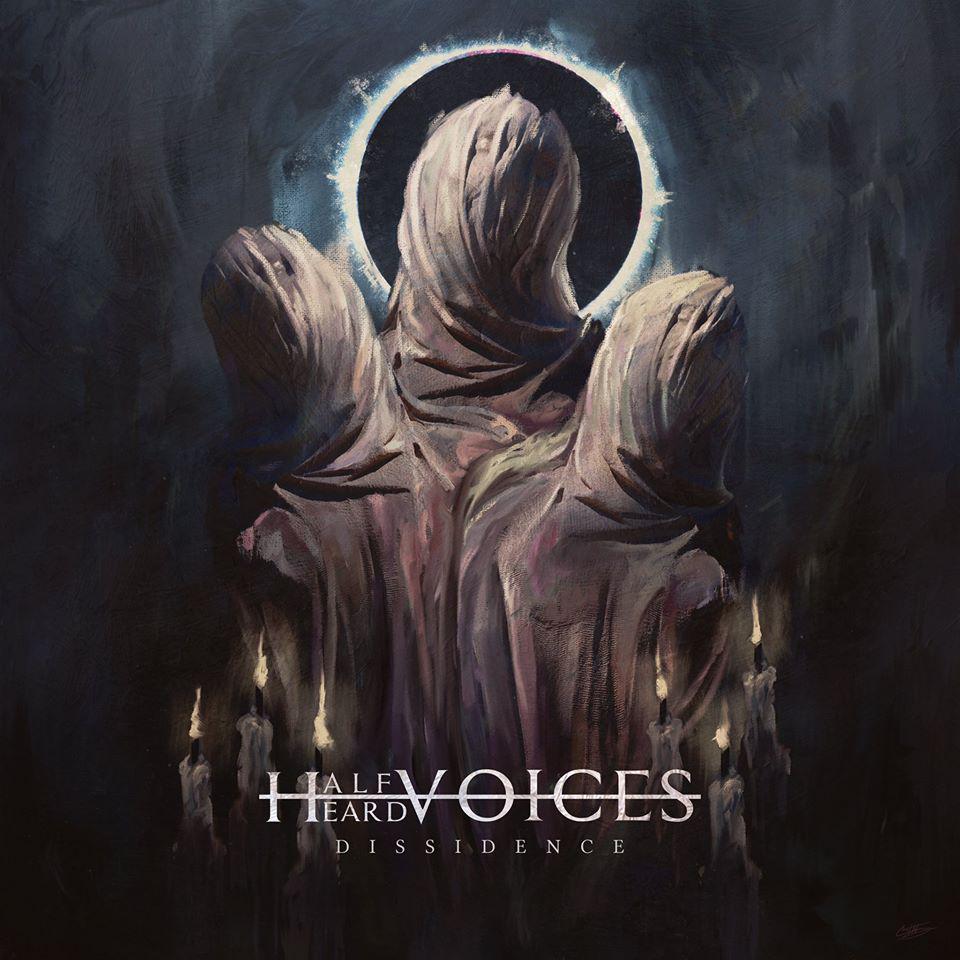
Mike Debuc

Metal
Heavy Metal
 Viberate Rank: 544052
 Viberate Rank: 544052
 Monthly ListenersFollowers
 Subscribers
 Followers
 Followers
 FansTop Spotify Songs
| Track | 7-Day Streams | |
|---|---|---|
1 | 448 | |
2 | 399 | |
3 | 277 | |
4 | 64 | |
5 | 37 |
Top YouTube Videos| Video | 7-Day Views | |
|---|---|---|
1 | 1 |
Monthly ListenersFeatured in Playlists| Playlist | Followers | |
|---|---|---|
1 |  Metalcore / Screamo / Postcore / Hardcore Lorenzo Bondioni | 67.06K |
2 |  GENIUS SICK METAL ATLANTIS 1 | 27.27K |
3 |  Rock Melancholia Weitblick Records | 20.61K |
4 |  Heavy Modern Metal Picks for Gamers Dalwin Hz | 18.95K |
5 |  RIOT Helius | 16.72K |
Audience| City | Monthly Listeners | |
|---|---|---|
1 |  | 33 |
2 |  | 32 |
3 | | 28 |
4 |  | 27 |
5 | | 26 |
See full performance history, audience data, playlist activity, rankings, comparisons, and more in Viberate music analytics. Start with a free trial, then continue with a paid plan.
Mike Debuc’s Spotify BioMike Debuc, a Florida-based multi-instrumentalist, initially made waves as a drummer in various metal bands. Shifting gears, he embraced guitar, bass, keyboards, and vocals, showcasing his prowess in playing, writing, recording, and composing.
Having contributed to projects like Tridium V, Korpsik, Cellpan, Avid Young, and Under Red Tides. Mike's evolving sound draws inspiration from a diverse pool of influences—ranging from the experimental chaos of Mindless Self Indulgence to the technical brilliance of Dream Theater.
What sets Mike apart is his ability to fuse these diverse influences into a unique musical expression. His music caters to a broad audience, appealing to musicians with intricate complexities, mainstream listeners with catchy melodies, and those seeking a truly distinctive sound.
In a sea of conformity, Mike Debuc stands out as an artist unbound by conventions, delivering an original musical experience for every listener.
Viberate is a music analytics platform built for A&Rs, artist managers, labels, booking agents, marketers, and artists.
It helps music professionals track artist growth, analyze audience data, monitor playlist activity, compare artists, follow song performance, and identify opportunities across the music market.
Public artist pages provide a free preview of selected artist data. Paid plans provide access to deeper analytics, historical data, charts, comparisons, playlist tools, exports, alerts, reports, and additional professional features.
Yes. Public Viberate artist pages provide selected artist analytics and music data for free.
Viberate also offers a 7-day free trial of the full platform. A credit card is required to start the trial. The trial includes access to the complete product so users can test deeper artist analytics, historical views, playlist insights, comparisons, charts, exports, alerts, and reporting features before choosing a paid plan.
Viberate provides artist analytics across streaming, playlists, social media, video, radio airplay, songs, and audience markets.
Users can analyze Spotify performance, Spotify and Apple Music playlists, YouTube activity, TikTok and Instagram growth, radio spins, song performance, audience locations, demographics, rankings, and overall artist momentum.
Artist profiles also connect to music charts, similar artists, and comparison tools, helping users benchmark performance and evaluate artists in context.
Viberate updates key artist and track data daily.
For followed artists and tracks, selected data is refreshed multiple times per day. This helps teams monitor playlist changes, streaming movement, audience growth, releases, and campaign performance with more current data.
Update frequency can vary depending on the metric and data source.
Yes. Viberate lets users compare up to five artists side by side across streaming, social media, audience, and engagement metrics.
Users can compare fanbase growth, audience demographics, locations, Spotify performance, social metrics, and other artist data over selected time periods.
Artist comparison can be used for A&R scouting, benchmarking, booking decisions, campaign planning, and evaluating artists with similar audiences or market positions.