Mike Cooley

Country
Americana/Alt Country
Folk Rock
 Viberate Rank: 299861
 Viberate Rank: 299861
 Monthly ListenersFollowers
 Subscribers
 Followers
 Followers
 FansTop Spotify Songs
| Track | 7-Day Streams | |
|---|---|---|
1 | 2.89K | |
2 | 2.70K | |
3 | 2.36K | |
4 | 2.12K | |
5 | 1.56K |
Top YouTube VideosMonthly ListenersFeatured in Playlists| Playlist | Followers | |
|---|---|---|
1 | (Alternative) Country Peter Kwint | 1.74K |
2 |  Triple M Almost Acoustic Kyle Frencham | 1.68K |
3 |  AMCO Americana/Country Athens Music Co | 1.30K |
Audience| City | Monthly Listeners | |
|---|---|---|
1 | | 523 |
2 | | 477 |
3 | | 399 |
4 | | 376 |
5 | | 349 |
See full performance history, audience data, playlist activity, rankings, comparisons, and more in Viberate music analytics. Start with a free trial, then continue with a paid plan.
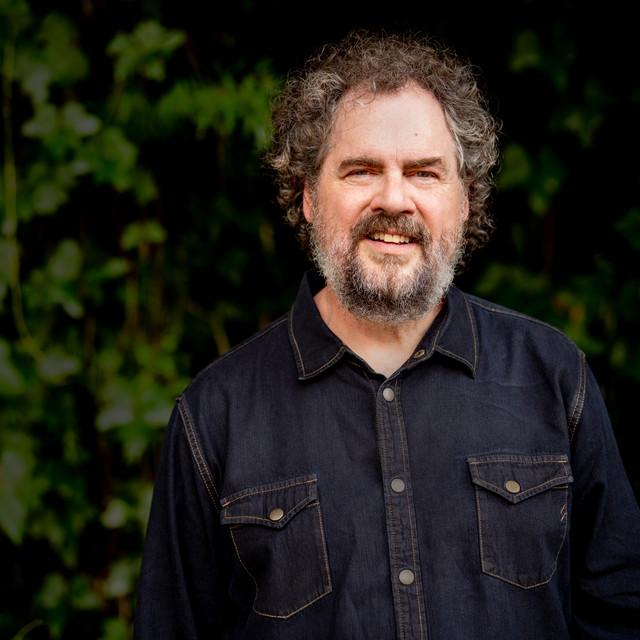
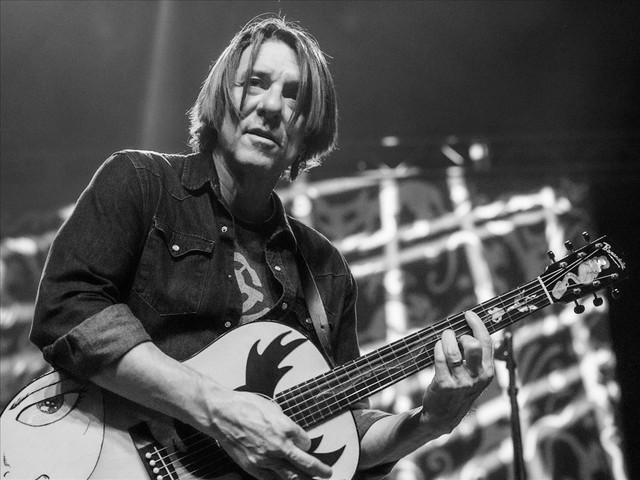
Mike Cooley’s Spotify BioMike Cooley is primarily known as a guitarist, vocalist, and occasional banjo player for Drive-By Truckers and shares songwriting duties with Patterson Hood. The band formed in the mid-90s in Athens, Georgia and blend Southern rock with Americana.
Born in Tuscumbia, Alabama, Cooley received his first music lessons at age eight from Al Lester, a Muscle Shoals bluegrass artist who performed with such luminaries as Willie Nelson, Wilson Pickett, Bill Monroe, and Boz Scaggs. Lester even had his own TV show, and it was there that Cooley made some of his first public performances. After getting his first electric guitar, he played a couple of gigs with high school friends before taking a break from music making. Eventually, in 1985, he formed the post-punk act Adam's House Cat with Hood, his then roommate. Once the group disbanded they occasionally worked together as a duo under the moniker Virgil Kane, named after the main character in the Band's 1969 track, "The Night They Drove Old Dixie… Down." Their next band, Horsepussy, was formed when the pair resided in Auburn, Alabama, but this was also a short-lived affair.
After Hood had spent some time in Athens, Georgia, he eventually persuaded Cooley to join him, and it was there that they formed Drive-By Truckers in 1996. Cooley contributed six songs to their career highlight, 2014's English Oceans, and by the end of 2020 they had recorded 13 studio albums and garnered a reputation as a raucous, hard-working live act. Along the way, Cooley issued a pared-down, live solo acoustic set, 2012's The Fool on Every Corner. Recorded at The Earl in Atlanta, it showcased his narrative songwriting and accomplished fingerpicking technique on revamped versions of Cooley's compositions from the Drive-By Truckers' canon. Although Cooley and Hood would sporadically perform as the live acoustic duo the Dimmer Twins, Cooley's place in Drive-By Truckers continued to be his main musical outlet. However, in 2021, an expansive, seven-year-old performance was issued as Live at The Shoals Theatre, June 15th, 2014, billing Cooley alongside Hood and former Drive-By Trucker-turned-solo artist Jason Isbell. ~ James Wilkinson, Rovi
Viberate is a music analytics platform built for A&Rs, artist managers, labels, booking agents, marketers, and artists.
It helps music professionals track artist growth, analyze audience data, monitor playlist activity, compare artists, follow song performance, and identify opportunities across the music market.
Public artist pages provide a free preview of selected artist data. Paid plans provide access to deeper analytics, historical data, charts, comparisons, playlist tools, exports, alerts, reports, and additional professional features.
Yes. Public Viberate artist pages provide selected artist analytics and music data for free.
Viberate also offers a 7-day free trial of the full platform. A credit card is required to start the trial. The trial includes access to the complete product so users can test deeper artist analytics, historical views, playlist insights, comparisons, charts, exports, alerts, and reporting features before choosing a paid plan.
Viberate provides artist analytics across streaming, playlists, social media, video, radio airplay, songs, and audience markets.
Users can analyze Spotify performance, Spotify and Apple Music playlists, YouTube activity, TikTok and Instagram growth, radio spins, song performance, audience locations, demographics, rankings, and overall artist momentum.
Artist profiles also connect to music charts, similar artists, and comparison tools, helping users benchmark performance and evaluate artists in context.
Viberate updates key artist and track data daily.
For followed artists and tracks, selected data is refreshed multiple times per day. This helps teams monitor playlist changes, streaming movement, audience growth, releases, and campaign performance with more current data.
Update frequency can vary depending on the metric and data source.
Yes. Viberate lets users compare up to five artists side by side across streaming, social media, audience, and engagement metrics.
Users can compare fanbase growth, audience demographics, locations, Spotify performance, social metrics, and other artist data over selected time periods.
Artist comparison can be used for A&R scouting, benchmarking, booking decisions, campaign planning, and evaluating artists with similar audiences or market positions.