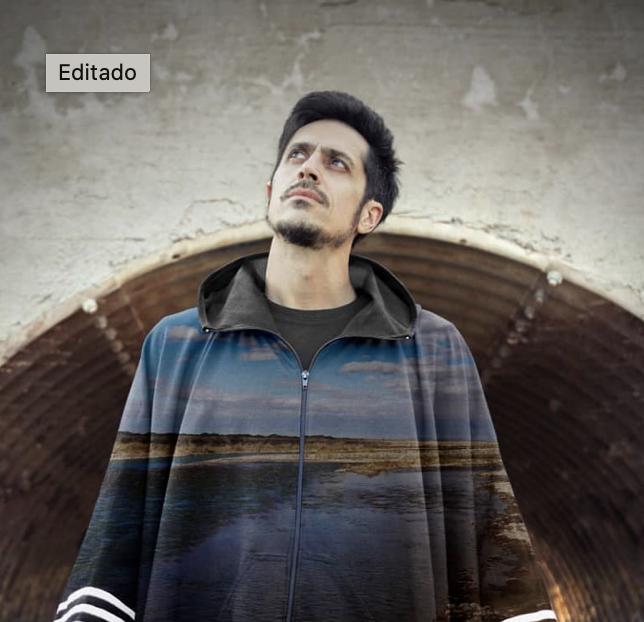
Mijal Guinguis

Pop
Latin Pop
Other Latin Music
 Viberate Rank: 441342
 Viberate Rank: 441342
 Monthly ListenersFollowers
 Subscribers
 Followers
 Followers
 FansTop Spotify Songs
| Track | 7-Day Streams | |
|---|---|---|
1 | 11 | |
2 | 8 | |
3 | 3 | |
4 | 2 | |
5 | 2 |
Top YouTube VideosMonthly ListenersFeatured in PlaylistsAudience| City | Monthly Listeners | |
|---|---|---|
1 | | 11 |
2 |  | 9 |
3 | | 3 |
See full performance history, audience data, playlist activity, rankings, comparisons, and more in Viberate music analytics. Start with a free trial, then continue with a paid plan.
Mijal Guinguis’ Spotify BioMijal Guinguis nació en la ciudad de Buenos Aires. Tiene cuatro discos editados con canciones propias: Lo que respiro (2006), Sentido contrario (2010) y Pequeñas eternidades (2015) . En 2024 lanzó Escalera caracol, compuesto casi íntegramente por Mijal, arreglado, producido y grabado en cooperación con Diego Penelas y Mariano Fernández. En este disco participan 30 músicos y conviven géneros como el pop, el rock, el folklore y el jazz, entre otros.
Mijal Guinguis : Voces, composición
Diego Penelas: Teclados, guitarras, acordeón, coros
Mariano Fernández: Teclados, guitarras, programación
Santiago Napoli : Guitarra
Sebastián Espósito: Guitarra/ requinto
Guido Martínez: Bajo/ contrabajo
Florencia Barrientos: Batería
Mario Gusso: Percusión
Daniel Ruggiero: Bandoneón
Diego Tejedor, Luis Sava , Paula García Presas, Adrián Felizia, Olga Pinchuk , Diego Vassallo, Guillermo Ferreiro Habra: Violín
Dolores Lopez Mac Kenzie, Damian Rojas, Ignacio Porjolovsky : Viola
María Eugenia Castro , Rafael… Delgado: Violoncello
Emiliano Álvarez: Clarinete
Francisco Huici: Saxo tenor y barítono
Richard Nant: Trompeta
Leonardo Melgarejo: Corno francés
Alejandro Parra Granados: Trombón
Mariano Fernández: Mezcla
Andrés Mayo : Mastering
Grabado, arreglado y producido por: Mijal Guinguis, Mariano Fernández y Diego Penelas
Carolina Santantonin – Planta baja C : Diseño de portada
Andrea Pichel, Lucas Gutiérrez : Fotografía
Natasha Niwes : Make up
Julieta Levin: Ilustración y video
Viberate is a music analytics platform built for A&Rs, artist managers, labels, booking agents, marketers, and artists.
It helps music professionals track artist growth, analyze audience data, monitor playlist activity, compare artists, follow song performance, and identify opportunities across the music market.
Public artist pages provide a free preview of selected artist data. Paid plans provide access to deeper analytics, historical data, charts, comparisons, playlist tools, exports, alerts, reports, and additional professional features.
Yes. Public Viberate artist pages provide selected artist analytics and music data for free.
Viberate also offers a 7-day free trial of the full platform. A credit card is required to start the trial. The trial includes access to the complete product so users can test deeper artist analytics, historical views, playlist insights, comparisons, charts, exports, alerts, and reporting features before choosing a paid plan.
Viberate provides artist analytics across streaming, playlists, social media, video, radio airplay, songs, and audience markets.
Users can analyze Spotify performance, Spotify and Apple Music playlists, YouTube activity, TikTok and Instagram growth, radio spins, song performance, audience locations, demographics, rankings, and overall artist momentum.
Artist profiles also connect to music charts, similar artists, and comparison tools, helping users benchmark performance and evaluate artists in context.
Viberate updates key artist and track data daily.
For followed artists and tracks, selected data is refreshed multiple times per day. This helps teams monitor playlist changes, streaming movement, audience growth, releases, and campaign performance with more current data.
Update frequency can vary depending on the metric and data source.
Yes. Viberate lets users compare up to five artists side by side across streaming, social media, audience, and engagement metrics.
Users can compare fanbase growth, audience demographics, locations, Spotify performance, social metrics, and other artist data over selected time periods.
Artist comparison can be used for A&R scouting, benchmarking, booking decisions, campaign planning, and evaluating artists with similar audiences or market positions.