Mighty Mighty

Pop
Indie Pop
Indie Rock
 Viberate Rank: 364744
 Viberate Rank: 364744
 Monthly ListenersFollowers
 Subscribers
 Followers
 Followers
 FansTop Spotify Songs
| Track | 7-Day Streams | |
|---|---|---|
1 | 321 | |
2 | 229 | |
3 | 149 | |
4 | 79 | |
5 | 47 |
Top YouTube VideosMonthly ListenersFeatured in Playlists| Playlist | Followers | |
|---|---|---|
1 |  Spring/Summer (Numero Group) Numero Group Concierge | 10.52K |
2 |  NME C86, C87, C88, C89, C90 & C91: Indie Cassette Classics Cherry Red Records | 7.72K |
3 |  the jangle pop masterlist Arielle | 5.96K |
4 |  John Peel Festive 50s Complete! backseatmafia | 4.54K |
5 |  The Vocaloid Playlist shedoara | 3.51K |
Audience| City | Monthly Listeners | |
|---|---|---|
1 | | 68 |
2 | | 31 |
3 | | 24 |
4 | | 22 |
5 |  | 18 |
See full performance history, audience data, playlist activity, rankings, comparisons, and more in Viberate music analytics. Start with a free trial, then continue with a paid plan.
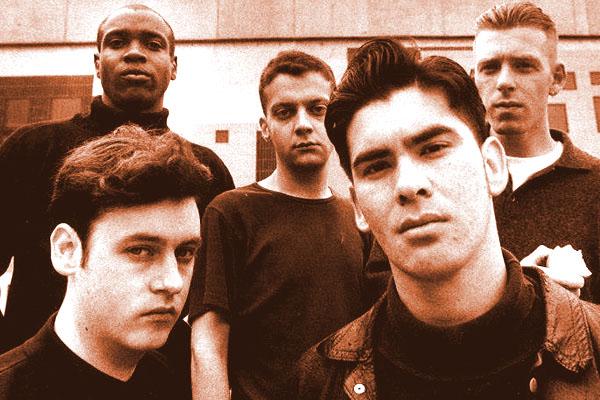
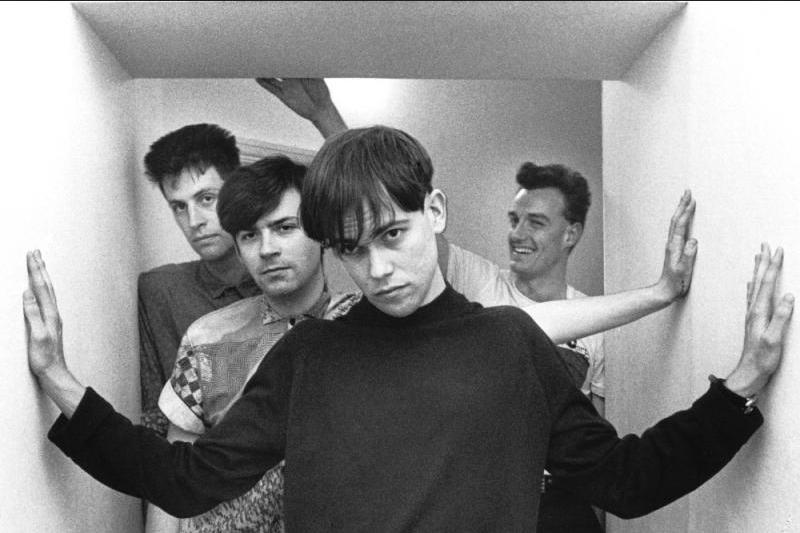
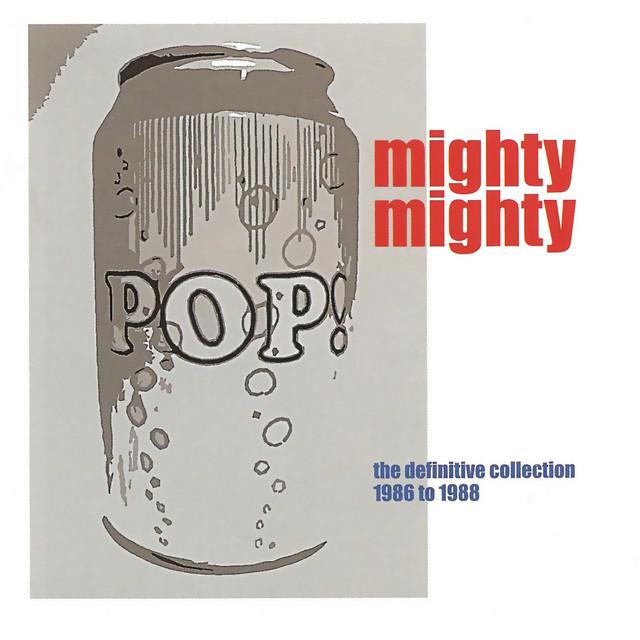
Mighty Mighty’s Spotify BioThe British band Mighty Mighty developed a larger following in Japan than they did in their native country. However, the group's Japanese fan base evolved posthumously; the band was actually only active for a few years. Mighty Mighty was formed in Birmingham, England, in 1986 by Hugh Harkin (vocals, harmonica), Mick Geoghegan (guitar), Peter Geoghegan (organ, guitar), Russell Burton (bass), and David Hennessey (drums). They made their debut at the NME/ICA Rock Week concerts and were even included on a C-86 cassette compilation. Mighty Mighty released their first single, "Everybody Knows the Monkey," in 1986. Often compared to Orange Juice, Mighty Mighty only recorded one LP, 1988's Sharks, before splitting up. The band's jangly singles and B-sides were collected on The Girlie Years, the title referring to the name of the group's own label. Vinyl Japan also released Mighty Mighty's BBC sessions in 2001. The band's popularity in Japan resulted from a keen interest in U.K. guitar pop… among indie collectors. ~ Michael Sutton, Rovi
Viberate is a music analytics platform built for A&Rs, artist managers, labels, booking agents, marketers, and artists.
It helps music professionals track artist growth, analyze audience data, monitor playlist activity, compare artists, follow song performance, and identify opportunities across the music market.
Public artist pages provide a free preview of selected artist data. Paid plans provide access to deeper analytics, historical data, charts, comparisons, playlist tools, exports, alerts, reports, and additional professional features.
Yes. Public Viberate artist pages provide selected artist analytics and music data for free.
Viberate also offers a 7-day free trial of the full platform. A credit card is required to start the trial. The trial includes access to the complete product so users can test deeper artist analytics, historical views, playlist insights, comparisons, charts, exports, alerts, and reporting features before choosing a paid plan.
Viberate provides artist analytics across streaming, playlists, social media, video, radio airplay, songs, and audience markets.
Users can analyze Spotify performance, Spotify and Apple Music playlists, YouTube activity, TikTok and Instagram growth, radio spins, song performance, audience locations, demographics, rankings, and overall artist momentum.
Artist profiles also connect to music charts, similar artists, and comparison tools, helping users benchmark performance and evaluate artists in context.
Viberate updates key artist and track data daily.
For followed artists and tracks, selected data is refreshed multiple times per day. This helps teams monitor playlist changes, streaming movement, audience growth, releases, and campaign performance with more current data.
Update frequency can vary depending on the metric and data source.
Yes. Viberate lets users compare up to five artists side by side across streaming, social media, audience, and engagement metrics.
Users can compare fanbase growth, audience demographics, locations, Spotify performance, social metrics, and other artist data over selected time periods.
Artist comparison can be used for A&R scouting, benchmarking, booking decisions, campaign planning, and evaluating artists with similar audiences or market positions.