Micranots

Hip Hop
Contemporary Hip Hop
Underground Hip Hop
 Viberate Rank: 404346
 Viberate Rank: 404346
 Monthly ListenersFollowers
 Subscribers
 Followers
 Followers
 FansTop Spotify Songs
| Track | 7-Day Streams | |
|---|---|---|
1 | 85 | |
2 | 56 | |
3 | 53 | |
4 | 50 | |
5 | 45 |
Top YouTube VideosMonthly ListenersFeatured in Playlists| Playlist | Followers | |
|---|---|---|
1 |  The Sound of Abstract Hip Hop The Sounds of Spotify | 3.92K |
2 |  Hip-Hop 50th Anniversary (1973-2023) Algorhythm | 3.22K |
3 | Rhymesayers Entertainment Rhymesayers | 3.19K |
4 |  Superrappin grooveattack | 3.10K |
5 | Old School & Underground Hip Hop nolan.comptonn | 2.98K |
Audience| City | Monthly Listeners | |
|---|---|---|
1 | | 27 |
2 | | 27 |
3 | | 16 |
4 | | 15 |
5 | | 14 |
See full performance history, audience data, playlist activity, rankings, comparisons, and more in Viberate music analytics. Start with a free trial, then continue with a paid plan.
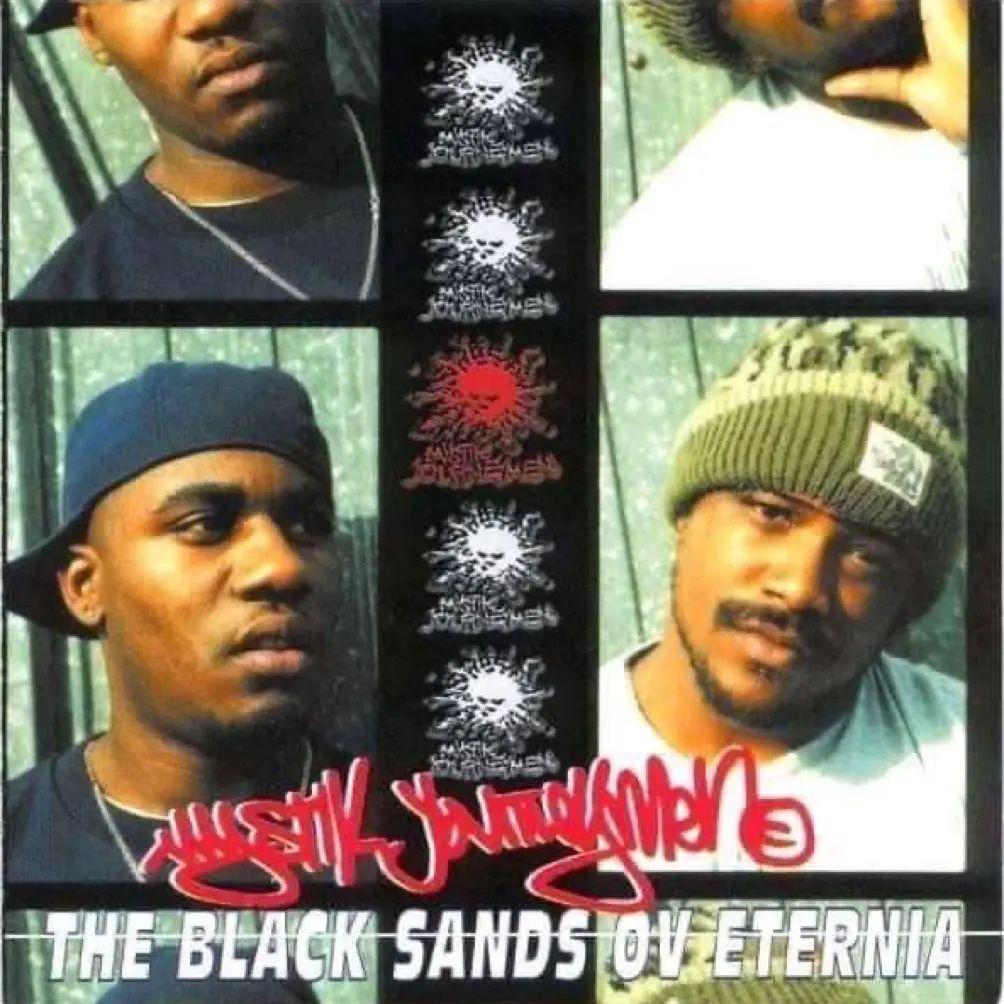
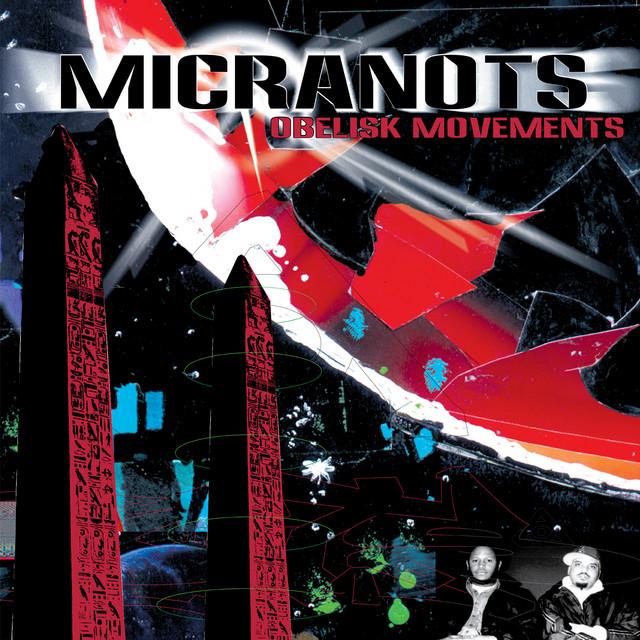
Micranots’ Spotify BioThough the Micranots originally consisted of two MCs and one producer/DJ, by the time their debut, Return of the Travellahs, came out (on cassette only) in 1996, only rapper I Self Devine and DJ Kool Akiem were in the group. Akiem managed to get a copy of the tape into the hands of Company Flow's Bigg Jus, who liked what he heard and eventually signed the duo to his 321 Records. Unfortunately, the label folded before the Micranots were able to release anything, but when Jus rebounded and started Sub Verse Records, the group officially licensed 2000's Obelisk Movements to them. Though the duo never had a falling out with their new label, they weren't happy with Sub Verse either, and moved to Rhymesayers (with whom each had previous connections: the Micranots had originally formed in Minneapolis before moving to Atlanta, and I Self was part of the group Dynospectrum with Musab, Slug, and Mr. Gene Poole), which reissued Return of the Travellahs in 2003. The following year the Micranots'… final album, The Emperor and the Assassin, was released in limited quantity just before the band folded, as I Self Devine wanted to pursue his solo career. The rapper released Self Destruction in 2005, and Kool Akiem went on to DJ for MF Doom, among other things. ~ Marisa Brown, Rovi
Viberate is a music analytics platform built for A&Rs, artist managers, labels, booking agents, marketers, and artists.
It helps music professionals track artist growth, analyze audience data, monitor playlist activity, compare artists, follow song performance, and identify opportunities across the music market.
Public artist pages provide a free preview of selected artist data. Paid plans provide access to deeper analytics, historical data, charts, comparisons, playlist tools, exports, alerts, reports, and additional professional features.
Yes. Public Viberate artist pages provide selected artist analytics and music data for free.
Viberate also offers a 7-day free trial of the full platform. A credit card is required to start the trial. The trial includes access to the complete product so users can test deeper artist analytics, historical views, playlist insights, comparisons, charts, exports, alerts, and reporting features before choosing a paid plan.
Viberate provides artist analytics across streaming, playlists, social media, video, radio airplay, songs, and audience markets.
Users can analyze Spotify performance, Spotify and Apple Music playlists, YouTube activity, TikTok and Instagram growth, radio spins, song performance, audience locations, demographics, rankings, and overall artist momentum.
Artist profiles also connect to music charts, similar artists, and comparison tools, helping users benchmark performance and evaluate artists in context.
Viberate updates key artist and track data daily.
For followed artists and tracks, selected data is refreshed multiple times per day. This helps teams monitor playlist changes, streaming movement, audience growth, releases, and campaign performance with more current data.
Update frequency can vary depending on the metric and data source.
Yes. Viberate lets users compare up to five artists side by side across streaming, social media, audience, and engagement metrics.
Users can compare fanbase growth, audience demographics, locations, Spotify performance, social metrics, and other artist data over selected time periods.
Artist comparison can be used for A&R scouting, benchmarking, booking decisions, campaign planning, and evaluating artists with similar audiences or market positions.