Michele Tino

Jazz
Smooth Jazz
Nu Jazz
 Viberate Rank: 750717
 Viberate Rank: 750717
 Monthly ListenersFollowers
 Subscribers
 Followers
 Followers
 FansTop Spotify Songs
| Track | 7-Day Streams | |
|---|---|---|
1 | 11 | |
2 | 5 | |
3 | 4 | |
4 | 3 | |
5 | 2 |
Top YouTube VideosMonthly ListenersFeatured in PlaylistsAudience| City | Monthly Listeners | |
|---|---|---|
1 |  | 3 |
See full performance history, audience data, playlist activity, rankings, comparisons, and more in Viberate music analytics. Start with a free trial, then continue with a paid plan.
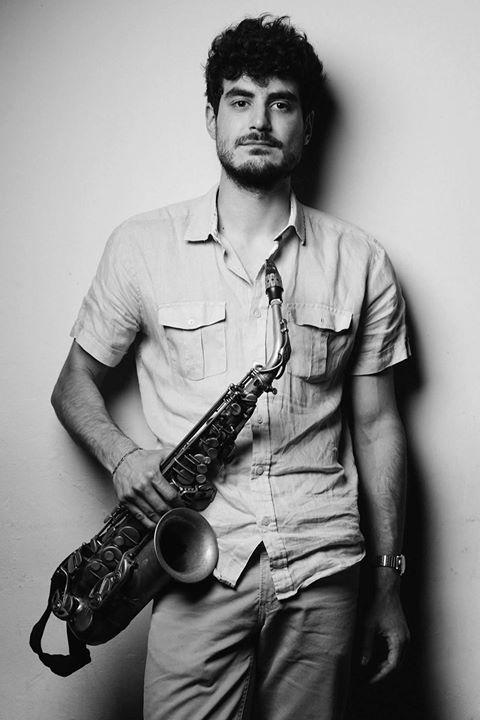
Michele Tino’s Spotify BioMichele Tino is an Italian saxophone player, composer and educator, mainly working in the Jazz environment.
In the last few years he’s been getting more and more attention as one of the most significant artists in the Italian new musical scene and as one of the most personal and in demand alto and tenor saxophone voices.
Born in Naples in 1991 he began his musical studies as a child, on piano.
At the age of 11 he moved to Florence and discovered a deep passion for Jazz music, leading him to approach the study of alto saxophone.
He began his Jazz Saxophone studies at the age of 18 at the Ferrara conservatory and then moved to Rovigo, where he got his bachelor and master’s degrees, both with the highest grade “Cum Laude”, under the guidance of Marco Tamburini.
At the same time he studied privately with clarinet and saxophone player Nico Gori.
In 2013 he entered the master in Jazz Studies at the Conservatorium Van Amsterdam.
In 2015 he attended one semester at Temple University in Philadelphia,… studying with Dick Oatts and Terell Stafford.
After he graduated at CvA in 2016 he moved back to Florence, where he is currently based.
By the time Michele Tino moved back to Italy his professional career developed very quickly, soon becoming a stable member of many relevant musical projects. This made him more and more well known as a soloist, mainly on alto saxophone, but also on tenor saxophone and flute.
website: www.micheletino.com
Viberate is a music analytics platform built for A&Rs, artist managers, labels, booking agents, marketers, and artists.
It helps music professionals track artist growth, analyze audience data, monitor playlist activity, compare artists, follow song performance, and identify opportunities across the music market.
Public artist pages provide a free preview of selected artist data. Paid plans provide access to deeper analytics, historical data, charts, comparisons, playlist tools, exports, alerts, reports, and additional professional features.
Yes. Public Viberate artist pages provide selected artist analytics and music data for free.
Viberate also offers a 7-day free trial of the full platform. A credit card is required to start the trial. The trial includes access to the complete product so users can test deeper artist analytics, historical views, playlist insights, comparisons, charts, exports, alerts, and reporting features before choosing a paid plan.
Viberate provides artist analytics across streaming, playlists, social media, video, radio airplay, songs, and audience markets.
Users can analyze Spotify performance, Spotify and Apple Music playlists, YouTube activity, TikTok and Instagram growth, radio spins, song performance, audience locations, demographics, rankings, and overall artist momentum.
Artist profiles also connect to music charts, similar artists, and comparison tools, helping users benchmark performance and evaluate artists in context.
Viberate updates key artist and track data daily.
For followed artists and tracks, selected data is refreshed multiple times per day. This helps teams monitor playlist changes, streaming movement, audience growth, releases, and campaign performance with more current data.
Update frequency can vary depending on the metric and data source.
Yes. Viberate lets users compare up to five artists side by side across streaming, social media, audience, and engagement metrics.
Users can compare fanbase growth, audience demographics, locations, Spotify performance, social metrics, and other artist data over selected time periods.
Artist comparison can be used for A&R scouting, benchmarking, booking decisions, campaign planning, and evaluating artists with similar audiences or market positions.