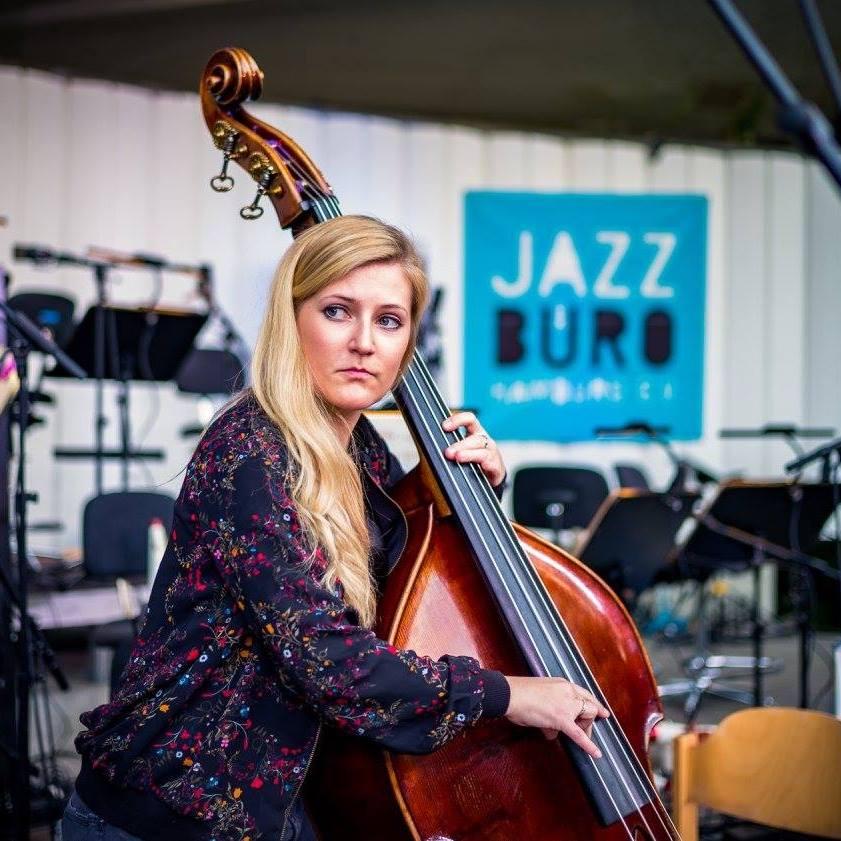
Michał Barański

Jazz
Smooth Jazz
Free Jazz
 Viberate Rank: 363108
 Viberate Rank: 363108
 Monthly ListenersFollowers
 Subscribers
 Followers
 Followers
 FansTop Spotify Songs
| Track | 7-Day Streams | |
|---|---|---|
1 | 97 | |
2 | 64 | |
3 | 53 | |
4 | 45 | |
5 | 43 |
Top YouTube Videos| Video | 7-Day Views | |
|---|---|---|
1 | 8 | |
2 | 5 | |
3 | 2 | |
4 | 1 | |
5 | 1 |
Monthly ListenersFeatured in Playlists| Playlist | Followers | |
|---|---|---|
1 |  Fryderyk 2026 Spotify | 20.40K |
2 |  Polish Jazz vol.0-89 Jakub Duran | 3.01K |
3 | POLISH JAZZ Tomek Lechowicz | 1.81K |
4 | JAZZ MALE VOICES / VOCALS mr.full | 1.30K |
5 |  ~LP3(57) 1982-2025 Grzegorz Chwierut | 1.24K |
Audience| City | Monthly Listeners | |
|---|---|---|
1 | | 167 |
2 | | 45 |
3 | | 43 |
4 | | 43 |
5 | | 42 |
See full performance history, audience data, playlist activity, rankings, comparisons, and more in Viberate music analytics. Start with a free trial, then continue with a paid plan.
Michał Barański’s Spotify BioCombining Indian Carnatic tradition with Polish folk and modern Jazz, bass player and composer Michał Barański brings a fresh mixture of exciting rhythms and melodies. Inspired by artists like Joe Zawinul, Bill Laswell, Tigran Hamasyan, Avishai Cohen and Zbigniew Namysłowski, he explores different musical heritages from around the world, highlighting his native Masovian region of Poland.
Michał Barański was born in 1984. He graduated from Jazz Department of Music Academy In Katowice. As a 13-year old he was noticed at music workshops by an American clarinet player, Brad Terry. Together with a pianist Mateusz Kolakowski and a drummer Tomasz Torres (Triology), they joined Terry’s quartet, giving numerous concerts in the USA and getting their experience at the very heart of jazz. A laureate of two Fryderyk rewards (Polish Grammy) for “Assymetry” CD by Z. Namyslowski and “Umiera Piękno” by Aga Zaryan. He was also nominated for Fryderyk prize in „Jazz Artist of the year” category in 2015. A… winner of readers'poll in Polish Jazz Magazine "Jazz Forum" for the best double bass player in 2008,2014,2015,2021. He co-operates with many notable artists such as: Bennie Maupin, Dayna Stephens, Dan Tepfer, Nigel Kennedy, Zbigniew Namyslowski, Tomasz Stanko, Michal Urbaniak, Aga Zaryan. He recorded an album with jazz legend Bennie Maupin entitled ''Early Reflections'' which recievied a second place in Jazz Times Critics Poll in category Best Album Of The Year 2008.
Viberate is a music analytics platform built for A&Rs, artist managers, labels, booking agents, marketers, and artists.
It helps music professionals track artist growth, analyze audience data, monitor playlist activity, compare artists, follow song performance, and identify opportunities across the music market.
Public artist pages provide a free preview of selected artist data. Paid plans provide access to deeper analytics, historical data, charts, comparisons, playlist tools, exports, alerts, reports, and additional professional features.
Yes. Public Viberate artist pages provide selected artist analytics and music data for free.
Viberate also offers a 7-day free trial of the full platform. A credit card is required to start the trial. The trial includes access to the complete product so users can test deeper artist analytics, historical views, playlist insights, comparisons, charts, exports, alerts, and reporting features before choosing a paid plan.
Viberate provides artist analytics across streaming, playlists, social media, video, radio airplay, songs, and audience markets.
Users can analyze Spotify performance, Spotify and Apple Music playlists, YouTube activity, TikTok and Instagram growth, radio spins, song performance, audience locations, demographics, rankings, and overall artist momentum.
Artist profiles also connect to music charts, similar artists, and comparison tools, helping users benchmark performance and evaluate artists in context.
Viberate updates key artist and track data daily.
For followed artists and tracks, selected data is refreshed multiple times per day. This helps teams monitor playlist changes, streaming movement, audience growth, releases, and campaign performance with more current data.
Update frequency can vary depending on the metric and data source.
Yes. Viberate lets users compare up to five artists side by side across streaming, social media, audience, and engagement metrics.
Users can compare fanbase growth, audience demographics, locations, Spotify performance, social metrics, and other artist data over selected time periods.
Artist comparison can be used for A&R scouting, benchmarking, booking decisions, campaign planning, and evaluating artists with similar audiences or market positions.