Michael Stearns

Electronic
Downtempo
Other Electronic Music
 Viberate Rank: 147548
 Viberate Rank: 147548
 Monthly ListenersFollowers
 Subscribers
 Followers
 Followers
 FansTop Spotify Songs
| Track | 7-Day Streams | |
|---|---|---|
1 | 5.10K | |
2 | 2.95K | |
3 | 2.88K | |
4 | 1.50K | |
5 | 1.22K |
Top YouTube VideosMonthly ListenersFeatured in Playlists| Playlist | Followers | |
|---|---|---|
1 |  Sci-Fi Scapes Spotify | 283.22K |
2 |  🪐🪐🪐🪐🪐🪐🪐🪐☼:̴͓̞̑̌̂̆̊͋̀:̸͎̟̯̂̓̌:̶̢͙͙͕̠̩͆ ⃝🟠 ̴̤̻̀(̵̙̺̳̩͐͗́͑͋̓̕͜ͅ(̵̺͖̤͌͂͑̐̕o̶̢̘͔̒̈̑̒͊v̴̢͚͚͎͎̞͒͊̎ȯ̶̞̮͖̑̈́̿ ☼:̴͓̞̑̌̂̆̊͋̀:̸͎̟̯̂̓̌:̶̢͙͙͕̠̩͆(̷̮͍͚̫͚͂̍)̵̳̗̊( 🟠🟢⦿🔵🟡\̸̧͔̰̳̦̣̪̈̏̓ ̴̡̛̅͐͛̀̽/̶̱̼̣̤̰̲̣̈́̋͌̿̄̍̊\̴̲̣̝̀͜ͅ🔴🫧✨🫧 ̵̨̛̱̥͕́̎́̐͝/̸̠̜̅̐͊̋̿̐̓\̸̧͔̰̳̦̣̪̈̏̓ ̴̡̛̅͐͛̀̽🥏🟠/̶̱̼̣̤̰̲̣̈́̋͌̿̄̍̊\̴̲̣̝̀͜ͅ💥 ̸̝̮̟̹̀̆̋̿ ̴̤̻̀🥭(̵̙̺̳̩͐͗́͑͋̓̕͜ͅ(̵̺͖̤͌͂͑̐̕o̶̢̘͔̒̈̑̒͊🔵:̸͎̟̯̂̓̌:̶̢͙͙͕̠̩͆(̷̮͍͚̫͚͂̍)̵̳̗̊(🟠🪐 Four Tet | 210.48K |
3 |  New Age Classics Spotify | 143.01K |
4 |  New Age: The Dawning Spotify | 125.87K |
5 |  MANTRAS Enara | 86.36K |
Audience| City | Monthly Listeners | |
|---|---|---|
1 |  | 748 |
2 | | 558 |
3 |  | 503 |
4 |  | 492 |
5 | | 483 |
See full performance history, audience data, playlist activity, rankings, comparisons, and more in Viberate music analytics. Start with a free trial, then continue with a paid plan.
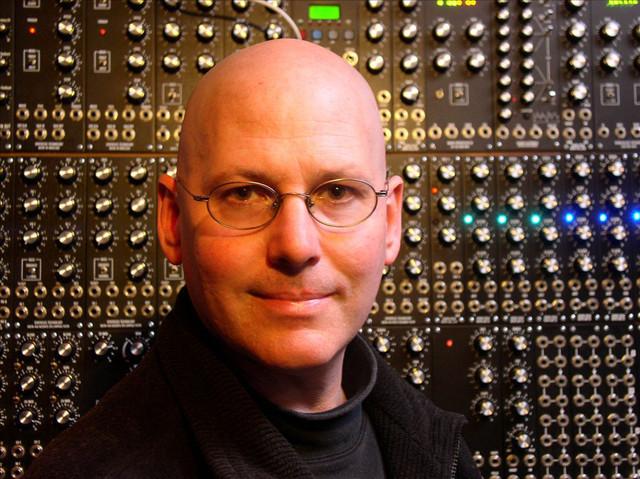
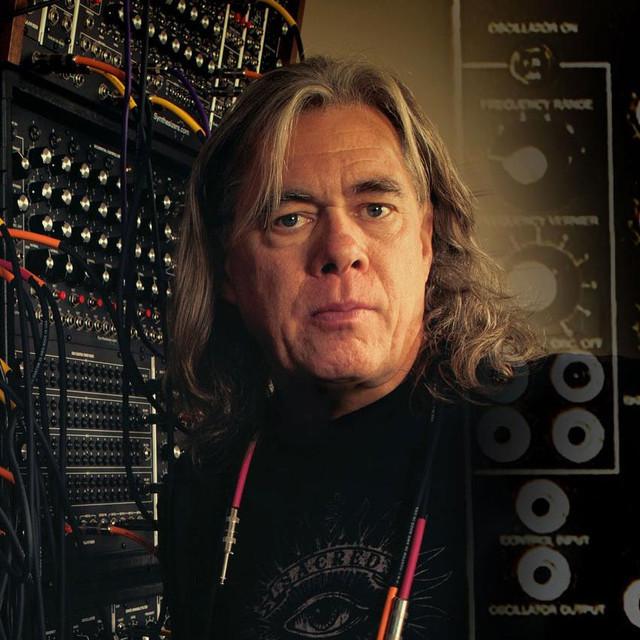
Michael Stearns’ Spotify BioComposer/sound sculptor Michael Stearns was born and raised in Tucson, AZ, taking up classical guitar as a teen; in time he moved on to rock and jazz, and by the age of 16 was regularly backing top pop acts including the Lovin' Spoonful and Paul Revere & the Raiders. While a student at the University of the Pacific he turned to electronic music, completing his first musique concrète piece in 1968; four years later, Stearns returned to Tucson to open his own recording studio, subsequently producing a series of advertising jingles. In 1974, choreographer Emilie Conrad convinced him to move to Los Angeles to serve as the resident composer at her Continuum Studio; in the process of creating spontaneous live accompaniment for the dance group's groundbreaking explorations of human movement, Stearns developed a unique sound combining synthesizers and environmental samples, over time incorporating increasingly exotic instrumentation as well.
In 1977 Stearns released his debut album, Ancient… Leaves, on his own Continuum Montage label, its space music aesthetic anticipating the coming rise of new age. Efforts including Morning Jewel and Planetary Unfolding followed as he developed The Beam, a 12-foot-long aluminum shaft strung with some two-dozen piano strings designed to generate low frequencies; in 1983, Stearns also collaborated with composer Maurice Jarre on Dreamscape, the first in a series of innovative film scores. His fifth solo album, Lyra, was performed on George Landry's mammoth Lyra Sound Constellation, an instrument comprised of 156 microtonally tuned strings of lengths up to 20 feet. In 1984, Stearns began a longstanding collaboration with filmmaker Ron Fricke that first yielded the soundtrack to the groundbreaking IMAX production Chronos; that same year, he also founded M'Ocean, a studio situated in Santa Monica, CA. (An album of the same name followed in 1985.)
In addition to 1986's Plunge, Stearns reunited with Fricke for the short film Sacred Site; soundtracks to two more IMAX productions, Seasons and Time Concerto, further solidified his reputation as one of the most innovative film music composers of the moment, highly regarded for his manipulation of multi-channel Surround Sound technology. In addition to subsequent albums including Encounter and Desert Solitaire (the latter a collaboration with Steve Roach and Kevin Braheny) as well as IMAX scores like Ring of Fire and Tropical Rain Forest, Stearns also designed the soundtracks for several rides at the Universal Studios theme park. After another collaboration with Fricke resulted in 1991's much-celebrated Baraka, he relocated to Santa Fe, NM, to build a new recording facility, Earth Turtle Studio. Singing Stones, a joint work with Ron Sunsinger, followed in 1994, and a year later Stearns released The Lost World. The Light in the Trees followed in 1996 and Sorcerer was issued four years later. ~ Jason Ankeny, Rovi
Viberate is a music analytics platform built for A&Rs, artist managers, labels, booking agents, marketers, and artists.
It helps music professionals track artist growth, analyze audience data, monitor playlist activity, compare artists, follow song performance, and identify opportunities across the music market.
Public artist pages provide a free preview of selected artist data. Paid plans provide access to deeper analytics, historical data, charts, comparisons, playlist tools, exports, alerts, reports, and additional professional features.
Yes. Public Viberate artist pages provide selected artist analytics and music data for free.
Viberate also offers a 7-day free trial of the full platform. A credit card is required to start the trial. The trial includes access to the complete product so users can test deeper artist analytics, historical views, playlist insights, comparisons, charts, exports, alerts, and reporting features before choosing a paid plan.
Viberate provides artist analytics across streaming, playlists, social media, video, radio airplay, songs, and audience markets.
Users can analyze Spotify performance, Spotify and Apple Music playlists, YouTube activity, TikTok and Instagram growth, radio spins, song performance, audience locations, demographics, rankings, and overall artist momentum.
Artist profiles also connect to music charts, similar artists, and comparison tools, helping users benchmark performance and evaluate artists in context.
Viberate updates key artist and track data daily.
For followed artists and tracks, selected data is refreshed multiple times per day. This helps teams monitor playlist changes, streaming movement, audience growth, releases, and campaign performance with more current data.
Update frequency can vary depending on the metric and data source.
Yes. Viberate lets users compare up to five artists side by side across streaming, social media, audience, and engagement metrics.
Users can compare fanbase growth, audience demographics, locations, Spotify performance, social metrics, and other artist data over selected time periods.
Artist comparison can be used for A&R scouting, benchmarking, booking decisions, campaign planning, and evaluating artists with similar audiences or market positions.