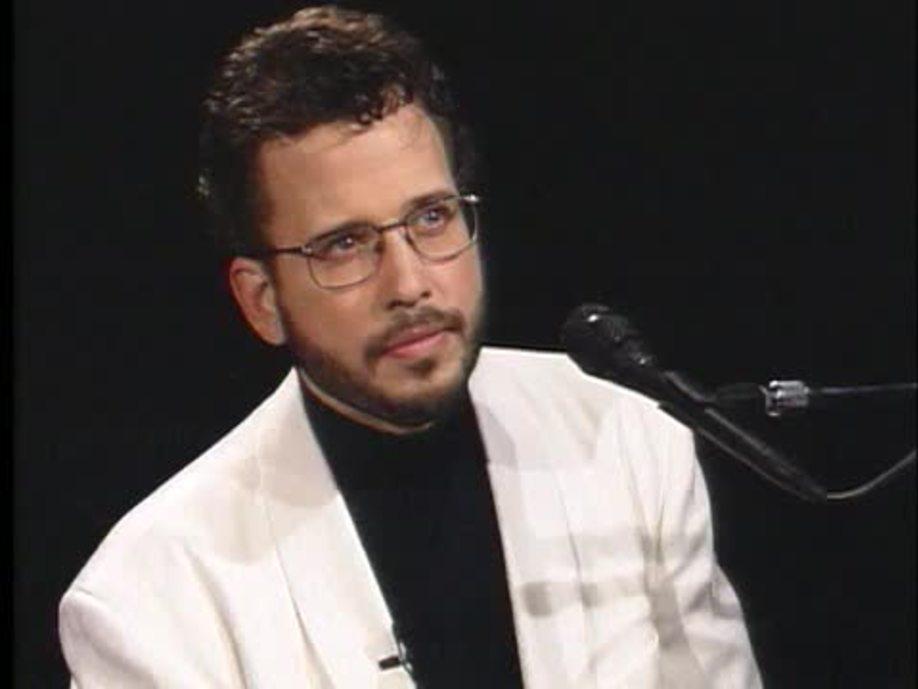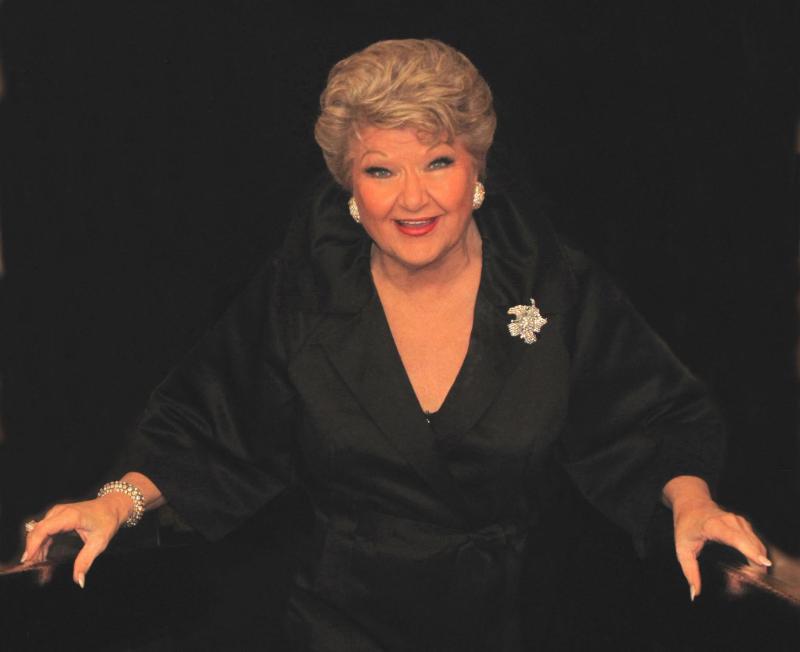
Michael Feinstein

Jazz
Smooth Jazz
Vocal jazz
 Viberate Rank: 72054
 Viberate Rank: 72054
 Monthly ListenersFollowers
 Subscribers
 Followers
 Followers
 FansTop Spotify Songs
| Track | 7-Day Streams | |
|---|---|---|
1 | 727 | |
2 | 691 | |
3 | 625 | |
4 | 589 | |
5 | 546 |
Top YouTube VideosMonthly ListenersFeatured in Playlists| Playlist | Followers | |
|---|---|---|
1 |  Dolly Parton: All Songs Lucas | 13.90K |
2 |  alice in wonderland vibes Emily Mitchell | 11.74K |
3 | PINK MARTINI Vanesa de Moutas | 6.04K |
4 |  This Is Rumer Spotify | 5.49K |
5 |  Top Christmas Hits uDiscover Philippines | 4.85K |
Audience| City | Monthly Listeners | |
|---|---|---|
1 | | 241 |
2 | | 145 |
3 | | 141 |
4 |  | 136 |
5 |  | 129 |
See full performance history, audience data, playlist activity, rankings, comparisons, and more in Viberate music analytics. Start with a free trial, then continue with a paid plan.
Michael Feinstein’s Spotify BioSinger/pianist Michael Feinstein first came to prominence in the 1980s as both a prime motivator and a beneficiary of a renewed interest in pre-rock popular music and has since built a career based on his scholarly interpretations of standards while also dipping a toe into the worlds of jazz, classical, and country with equal aplomb. After starting off as a popular nightclub entertainer he was able to move up to theaters while releasing major-label albums. After making his studio debut with Pure Gershwin in 1987, he became a regular on the Billboard Jazz Albums and Traditional Jazz Albums charts, hitting the Top Five of the latter with 1998's Feinstein Sings Gershwin (which went to number one), 2001's Big City Rhythms, 2002's Michael Feinstein with the Israel Philharmonic Orchestra, and 2008's The Sinatra Project, which reached number three on both charts. Also landing on the holiday albums chart with 2014's A Michael Feinstein Christmas, he returned to key inspirations George and Ira… Gershwin for 2022's Gershwin Country, a collection of duets with the likes of Dolly Parton, Brad Paisley, and Rosanne Cash, and for 2024's Gershwin Rhapsody, a collaboration with pianist Jean-Yves Thibaudet that included world-premiere recordings of four unearthed Gershwin songs.
Born Michael Jay Feinstein on September 7, 1956, in Columbus, Ohio, his father, Edward Feinstein, was an executive in the meat business, but had been a band singer, while his mother, Mazie Feinstein, was an amateur tap dancer. Beginning to play the piano by ear at age five, Feinstein grew up fascinated by the pop music of generations preceding him and amassed a large record collection. He moved with his family to Los Angeles in 1976, and started to meet some of the people who created the music he adored. He was hired by Ira Gershwin to catalog the veteran lyricist's archives, a job he performed until Gershwin's death in 1983. (He also worked for Harry Warren from 1981 to 1982.)
At that point, he turned to performing as a cabaret artist full-time, beginning in Los Angeles. A 1986 engagement at the Oak Room of the Algonquin Hotel in New York was extended for four months and resulted in the LP Live at the Algonquin. In 1987, he released his debut studio album, Pure Gershwin, on Asylum. After releasing Remember: Michael Feinstein Sings Irving Berlin (1987), which hit the Top Five of the Billboard jazz chart and topped the traditional jazz chart, he was able to take his act to Broadway, opening Michael Feinstein in Concert: Isn't It Romantic at the Lyceum Theatre on April 19, 1988. The same year, he released his third studio album, also called Isn't It Romantic. During 1989, he released two thematic albums, Over There (Angel), devoted to the music of World War I, and The M.G.M. Album (Elektra).
For Elektra's Nonesuch imprint, Feinstein launched a series of "songbook" albums recorded with the participation of the veteran songwriters themselves, the first of them devoted to Burton Lane (August 1990, with a second volume in November 1992), followed by 1991's Jule Styne, 1993's Jerry Herman, and 1995's Hugh Martin. In the meantime, back at Elektra, Feinstein devoted an album to children, Pure Imagination (1992), and Forever (1993) found him balancing contemporary material with the usual standards. He then switched labels, landing at Atlantic Records for 1995's Such Sweet Sorrow and the next year's Nice Work If You Can Get It: Songs by the Gershwins before moving to Concord Records, beginning with an album to mark the centenary of George Gershwin, 1998's Michael & George: Feinstein Sings Gershwin.
In 1999, Feinstein lent his name to a new nightclub in New York located in the Regency Hotel, as Feinstein's at the Regency became a venue for sophisticated cabaret entertainers including its namesake. (A second Feinstein's later opened in Hollywood.) The same year, he released Big City Rhythms, fronting the Maynard Ferguson Big Band. It reached the Top Three of the Traditional Jazz Albums chart. The late 2000 Romance on Film/Romance on Broadway was a two-disc set, the first disc recorded live. It was followed by Michael Feinstein with the Israel Philharmonic Orchestra in May 2002, which returned him to the traditional jazz Top Five. Later in 2002, Concord announced the formation of Feinstein's own custom subsidiary label, Feinery, intended to "present hidden gems from the American Popular Songbook." It was launched with a new album, Michael Feinstein Sings the Livingston & Evans Songbook, in October 2002. Feinstein's 2003 album, Only One Life, was devoted to the songs of Jimmy Webb. In 2005, he and George Shearing teamed up for Hopeless Romantics. The Sinatra Project, which appeared in 2008 and hit the jazz and traditional jazz Top Three. A year later, Feinstein and Broadway star Cheyenne Jackson made The Power of Two for Harbinger Records. 2010's Fly Me to the Moon on the Duckhole label found him accompanied by jazz guitarist Joe Negri, and in 2011, Feinstein followed up his 2008 homage to Sinatra with The Sinatra Project, Vol. 2: The Good Life on the Concord label. That same year, he issued a pair of LPs for Duckhole, Cheek to Cheek: Cook and Feinstein (with Barbara Cook) and We Dreamed These Days (with the Carmel Symphony Orchestra). Change of Heart: The Songs of André Previn arrived on Telarc in 2013, and his first holiday album, A Michael Feinstein Christmas cracked the Top 40 of the Billboard Holidays Albums chart in late 2014.
While Feinstein remained in the public eye through concerts and appearances as a presenter on the Turner Classic Movies network in the interim, it would be eight years before he released another album. Issued on Craft Recordings, 2022's Gershwin Country paired Feinstein with ten country stars and executive producer Liza Minnelli on a set of 11 Gershwin duets. He stuck with the Gershwins for 2024's Gershwin Rhapsody, a collaboration with pianist Jean-Yves Thibaudet. Released in commemoration of the 1924 premiere of George Gershwin's Rhapsody in Blue, the album included world-premiere recordings of four rediscovered Gershwin Brothers songs -- "Graceful and Elegant," "Dance of the Waves," "Sutton Place," and "Under the Cinnamon Tree" -- among a mix of piano duos, piano solos, and songs sung by Feinstein. ~ William Ruhlmann & Marcy Donelson, Rovi
Viberate is a music analytics platform built for A&Rs, artist managers, labels, booking agents, marketers, and artists.
It helps music professionals track artist growth, analyze audience data, monitor playlist activity, compare artists, follow song performance, and identify opportunities across the music market.
Public artist pages provide a free preview of selected artist data. Paid plans provide access to deeper analytics, historical data, charts, comparisons, playlist tools, exports, alerts, reports, and additional professional features.
Yes. Public Viberate artist pages provide selected artist analytics and music data for free.
Viberate also offers a 7-day free trial of the full platform. A credit card is required to start the trial. The trial includes access to the complete product so users can test deeper artist analytics, historical views, playlist insights, comparisons, charts, exports, alerts, and reporting features before choosing a paid plan.
Viberate provides artist analytics across streaming, playlists, social media, video, radio airplay, songs, and audience markets.
Users can analyze Spotify performance, Spotify and Apple Music playlists, YouTube activity, TikTok and Instagram growth, radio spins, song performance, audience locations, demographics, rankings, and overall artist momentum.
Artist profiles also connect to music charts, similar artists, and comparison tools, helping users benchmark performance and evaluate artists in context.
Viberate updates key artist and track data daily.
For followed artists and tracks, selected data is refreshed multiple times per day. This helps teams monitor playlist changes, streaming movement, audience growth, releases, and campaign performance with more current data.
Update frequency can vary depending on the metric and data source.
Yes. Viberate lets users compare up to five artists side by side across streaming, social media, audience, and engagement metrics.
Users can compare fanbase growth, audience demographics, locations, Spotify performance, social metrics, and other artist data over selected time periods.
Artist comparison can be used for A&R scouting, benchmarking, booking decisions, campaign planning, and evaluating artists with similar audiences or market positions.