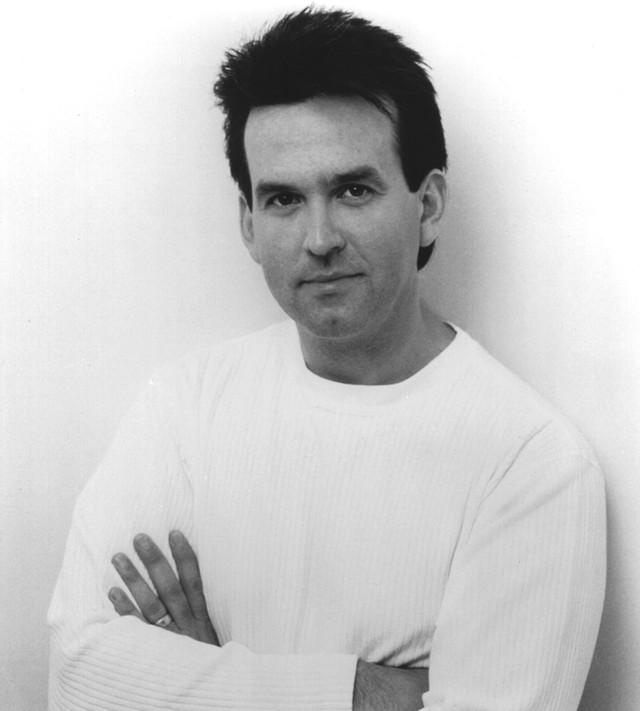
Michael English

Religious
Christian Music
Gospel
 Viberate Rank: 68803
 Viberate Rank: 68803
 Monthly ListenersFollowers
 Subscribers
 Followers
 Followers
 FansTop Spotify Songs
| Track | 7-Day Streams | |
|---|---|---|
1 | 11.71K | |
2 | 8.55K | |
3 | 5.29K | |
4 | 3.03K | |
5 | 2.83K |
Top YouTube Videos| Video | 7-Day Views | |
|---|---|---|
1 | 10.91K | |
2 | 7.59K | |
3 | 6.07K | |
4 | 4.82K | |
5 | 4.38K |
Monthly ListenersFeatured in Playlists| Playlist | Followers | |
|---|---|---|
1 | Old Songs (70s-90s) Carl0si | 50.86K |
2 | Old Love Songs 💞 Laurie | 18.93K |
3 | Easy Rock 96.3 collinj33 | 14.76K |
4 | GAITHER VOCAL BAND (All Albums) Cands | 9.45K |
5 |  Worship (1990s & 2000s) Zachary Melton | 9.03K |
Audience| City | Monthly Listeners | |
|---|---|---|
1 |  | 584 |
2 | | 571 |
3 | | 481 |
4 | | 436 |
5 | | 408 |
See full performance history, audience data, playlist activity, rankings, comparisons, and more in Viberate music analytics. Start with a free trial, then continue with a paid plan.
Michael English’s Spotify BioAs the lead singer for the Gaither Vocal Band in the late '80s, Michael English helped popularize modern Southern gospel. He'd later leave the group to become one of the biggest stars in Southern gospel and CCM music in the early '90s. He racked up four Dove Awards -- including Artist of the Year, Pop/Contemporary Album of the Year, and Male Vocalist of the Year -- in 1994, a haul that suggested he'd be one of the decade's biggest stars, but his success was interrupted by news that he fathered a child out of wedlock. English pivoted to pop music, scoring a crossover hit in 1996 when a cover of John Berry's "Your Love Amazes Me" reached number ten on Billboard's adult contemporary chart. English chose to return to Christian music with the aptly titled Gospel in 1998, and from that point forward he worked steadily, performing live regularly and recording on occasion.
Michael English was a native of North Carolina, born on April 12, 1962 in Kenansville and raised in North East. When he… turned ten, he started singing with the Singing Samaritans, and after graduating high school he joined the Singing Americans. English appeared on a few records by the Singing Americans before joining the Goodmans in 1982. He returned to the Singing Americans in 1984, where he had his breakthrough singing "I Bowed on My Knees (And Cried Holy)." After appearing on the group's 1985 album, Black and White, he joined the Gaither Vocal Band as their lead singer.
English stayed with the Gaither Vocal Band through 1994, leading the group toward greater fame. He began a solo career in 1991, signing with Warner Alliance and releasing an eponymous solo album that year. An instant CCM smash, it wound up helping English win Dove Awards for Best Male Vocalist and New Artist, but it was eclipsed by the success of 1993's Hope, which wound up earning English four Dove Awards.
The day after these 1994 Dove Awards, English announced that he and Marabeth Jordan of First Call conceived a child while they were both married to other people. English suffered serious professional blowback, with CCM stations shunning his recordings and Warner Alliance dropping the singer. He made a public apology and signed with Curb late in 1994 with the intention of making secular pop music. "Healing," a duet with Wynonna Judd, appeared in 1995 and the full-length Freedom, his first mainstream pop album, arrived in September 1996, generating a Top Ten Billboard adult contemporary cover of John Berry's ballad "Your Love Amazes Me." He may have been performing secular music but he worked behind the scenes in gospel music, producing records by the Martins, the Gaither Vocal Band, and the Stamps Quartet.
English made his first public foray back into gospel in August 1996, when he performed with a reunited Singing Americans at the Grand Ole Gospel Reunion. Over the next year he worked his way back into the Christian music spotlight, culminating with the 1998 release of Gospel. Another record, Heaven to Earth, followed in 2000. A seasonal record, appropriately entitled A Michael English Christmas, arrived in 2003, followed by a a greatest-hits album in 2006. English published an autobiography called The Prodigal Comes Home in 2007, which was accompanied by an album of the same name in 2008.
English rejoined the Gaither Vocal Band as their lead vocalist in 2009, and he stayed with them until 2013. He revived his solo career that year with Some People Change, his last album for Curb. He switched labels to Daywind in 2015, releasing Worship that year. Daywind released a live Michael English set in 2016, and then the singer departed to New Day Entertainment for 2017's Love Is the Golden Rule. ~ Stephen Thomas Erlewine, Rovi
Viberate is a music analytics platform built for A&Rs, artist managers, labels, booking agents, marketers, and artists.
It helps music professionals track artist growth, analyze audience data, monitor playlist activity, compare artists, follow song performance, and identify opportunities across the music market.
Public artist pages provide a free preview of selected artist data. Paid plans provide access to deeper analytics, historical data, charts, comparisons, playlist tools, exports, alerts, reports, and additional professional features.
Yes. Public Viberate artist pages provide selected artist analytics and music data for free.
Viberate also offers a 7-day free trial of the full platform. A credit card is required to start the trial. The trial includes access to the complete product so users can test deeper artist analytics, historical views, playlist insights, comparisons, charts, exports, alerts, and reporting features before choosing a paid plan.
Viberate provides artist analytics across streaming, playlists, social media, video, radio airplay, songs, and audience markets.
Users can analyze Spotify performance, Spotify and Apple Music playlists, YouTube activity, TikTok and Instagram growth, radio spins, song performance, audience locations, demographics, rankings, and overall artist momentum.
Artist profiles also connect to music charts, similar artists, and comparison tools, helping users benchmark performance and evaluate artists in context.
Viberate updates key artist and track data daily.
For followed artists and tracks, selected data is refreshed multiple times per day. This helps teams monitor playlist changes, streaming movement, audience growth, releases, and campaign performance with more current data.
Update frequency can vary depending on the metric and data source.
Yes. Viberate lets users compare up to five artists side by side across streaming, social media, audience, and engagement metrics.
Users can compare fanbase growth, audience demographics, locations, Spotify performance, social metrics, and other artist data over selected time periods.
Artist comparison can be used for A&R scouting, benchmarking, booking decisions, campaign planning, and evaluating artists with similar audiences or market positions.