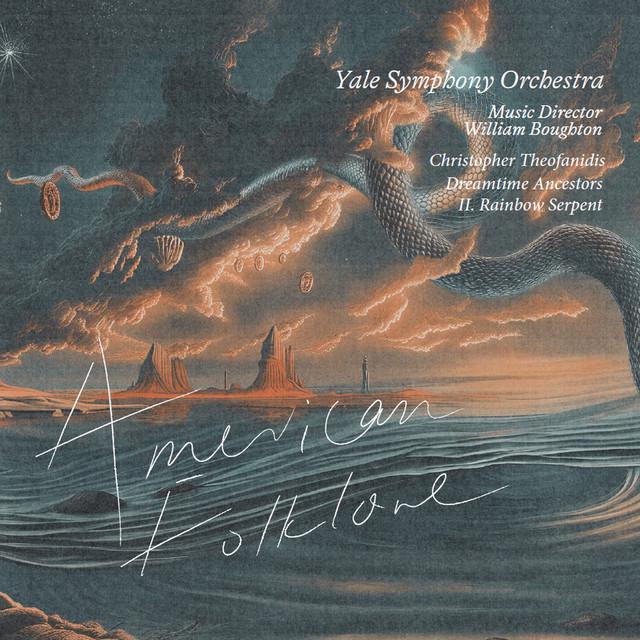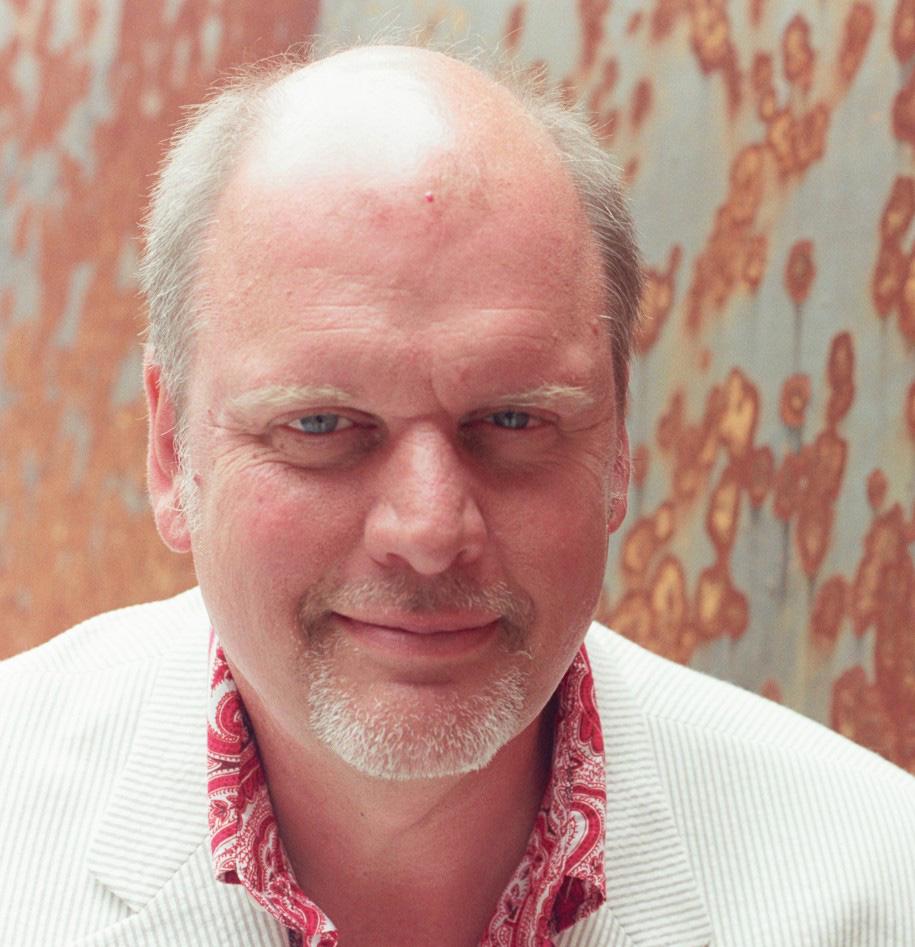
Michael Daugherty

Classical
Classical Crossover
 Viberate Rank: 404106
 Viberate Rank: 404106
 Monthly ListenersFollowers
 Subscribers
 Followers
 Followers
 FansTop Spotify Songs
| Track | 7-Day Streams | |
|---|---|---|
1 | 323 | |
2 | 303 | |
3 | 233 | |
4 | 176 | |
5 | 68 |
Top YouTube VideosMonthly ListenersFeatured in Playlists| Playlist | Followers | |
|---|---|---|
1 |  NPR Classical NPR Music | 14.43K |
2 |  Neo Classicals Alen Golpashin | 7.79K |
3 |  Concert Band Music David | 5.42K |
4 |  Jarvis Cocker's Sunday Service Anders Björk | 5.09K |
5 |  ✨flute covers ✨ kay | 5.06K |
Audience| City | Monthly Listeners | |
|---|---|---|
1 | | 118 |
2 | | 115 |
3 | | 106 |
4 | | 65 |
5 | | 59 |
See full performance history, audience data, playlist activity, rankings, comparisons, and more in Viberate music analytics. Start with a free trial, then continue with a paid plan.
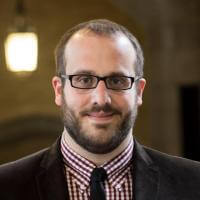
Michael Daugherty’s Spotify BioComposer Michael Daugherty is among the most performed of his generation, with an appealing, propulsive style that draws on popular culture. Works such as his Metropolis Symphony (1993) and the chamber opera Jackie O (1997) have been staples of concert schedules in the U.S. and beyond. Daugherty is also a prominent educator who has taught at the University of Michigan for many years. His concerto Harp of Ages, for harp and orchestra, was composed in 2023 and recorded the following year.
Daugherty was born on April 28, 1954, in Cedar Rapids, Iowa. His father was a drummer who played jazz and country music, his mother was an amateur singer, and his paternal grandmother was a silent film accompanist. All four of his brothers are professional musicians; the youngest, Tommy D. Daugherty, worked as a producer for rapper Tupac Shakur. As a teen, Michael Daugherty played drums in a competitive drum and bugle corps, and his high school band, The Soul Company, became popular across Iowa. He gave… himself an education in ear-training by transcribing recordings when sheet music was needed. Daugherty also played Hammond organ, accompanying popular singers such as Boots Randolph and Bobby Vinton on the county fair circuit. He attended North Texas State College (now the University of North Texas), studying composition and jazz, but decided to devote himself to the former after hearing a concert by the Dallas Symphony Orchestra.
After receiving his degree in 1976, Daugherty moved to New York and absorbed avant-garde styles, studying with Charles Wuorinen at the Manhattan School of Music and receiving a master's degree there. He became acquainted with then-New York Philharmonic conductor Pierre Boulez and traveled to Paris for courses at Boulez's IRCAM institute. Daugherty received a doctorate from Yale University after studies with Jacob Druckman and others. He also served as an assistant to jazz arranger Gil Evans during this period. Daugherty rounded out his education at the Tanglewood Music Center with Mario Davidovsky; there, he also met Leonard Bernstein, who suggested that he incorporate popular styles into his classical compositions. He also studied in Hamburg, Germany, with György Ligeti, who made similar suggestions, adding computer music to the mix.
Daugherty joined the faculty at the Oberlin Conservatory in Ohio and then, in 1991, at the University of Michigan, where he remained as of the mid-2020s. He quickly gained attention for his 1987 chamber work Snap!, which was inspired by the tap dancing of actor James Cagney in the 1937 film Something to Sing About. The following year, Daugherty began work on his Metropolis Symphony, drawing on characters in the universe of the Superman comics. That work, not completed until 1993, became one of Daugherty's most popular. In the 1990s, he began to receive commissions from major performers and performing organizations, including the Houston Grand Opera (the opera Jackie O) and deaf percussionist Evelyn Glennie (UFO).
Daugherty's works contain references to a wide variety of popular culture figures, musical and not, including Italian-made Western films (Spaghetti Western for English horn and orchestra, commissioned by the Philadelphia Orchestra), Elvis Presley (Dead Elvis for chamber ensemble), and civil rights icon Rosa Parks (Rosa Parks Boulevard for band). Among his other popular works have been Fire and Blood for violin and orchestra (2003, inspired by the story of artists Diego Rivera and Frida Kahlo) and American Gothic for orchestra (2013, inspired by the paintings of Grant Wood). Daugherty's music has remained consistently in demand among ensembles in the U.S. and beyond through various changes in musical fashion, and he has served several orchestral residencies, including one with the Detroit Symphony Orchestra (1999-2003). In 2023, Daugherty composed Harp of Ages, for harp and orchestra, inspired by historical figures associated with the harp (or lyre), from Sappho to Harpo Marx and beyond. That work was recorded by harpist Courtney Hershey Bress and the Colorado Symphony in 2024. ~ James Manheim, Rovi
Viberate is a music analytics platform built for A&Rs, artist managers, labels, booking agents, marketers, and artists.
It helps music professionals track artist growth, analyze audience data, monitor playlist activity, compare artists, follow song performance, and identify opportunities across the music market.
Public artist pages provide a free preview of selected artist data. Paid plans provide access to deeper analytics, historical data, charts, comparisons, playlist tools, exports, alerts, reports, and additional professional features.
Yes. Public Viberate artist pages provide selected artist analytics and music data for free.
Viberate also offers a 7-day free trial of the full platform. A credit card is required to start the trial. The trial includes access to the complete product so users can test deeper artist analytics, historical views, playlist insights, comparisons, charts, exports, alerts, and reporting features before choosing a paid plan.
Viberate provides artist analytics across streaming, playlists, social media, video, radio airplay, songs, and audience markets.
Users can analyze Spotify performance, Spotify and Apple Music playlists, YouTube activity, TikTok and Instagram growth, radio spins, song performance, audience locations, demographics, rankings, and overall artist momentum.
Artist profiles also connect to music charts, similar artists, and comparison tools, helping users benchmark performance and evaluate artists in context.
Viberate updates key artist and track data daily.
For followed artists and tracks, selected data is refreshed multiple times per day. This helps teams monitor playlist changes, streaming movement, audience growth, releases, and campaign performance with more current data.
Update frequency can vary depending on the metric and data source.
Yes. Viberate lets users compare up to five artists side by side across streaming, social media, audience, and engagement metrics.
Users can compare fanbase growth, audience demographics, locations, Spotify performance, social metrics, and other artist data over selected time periods.
Artist comparison can be used for A&R scouting, benchmarking, booking decisions, campaign planning, and evaluating artists with similar audiences or market positions.