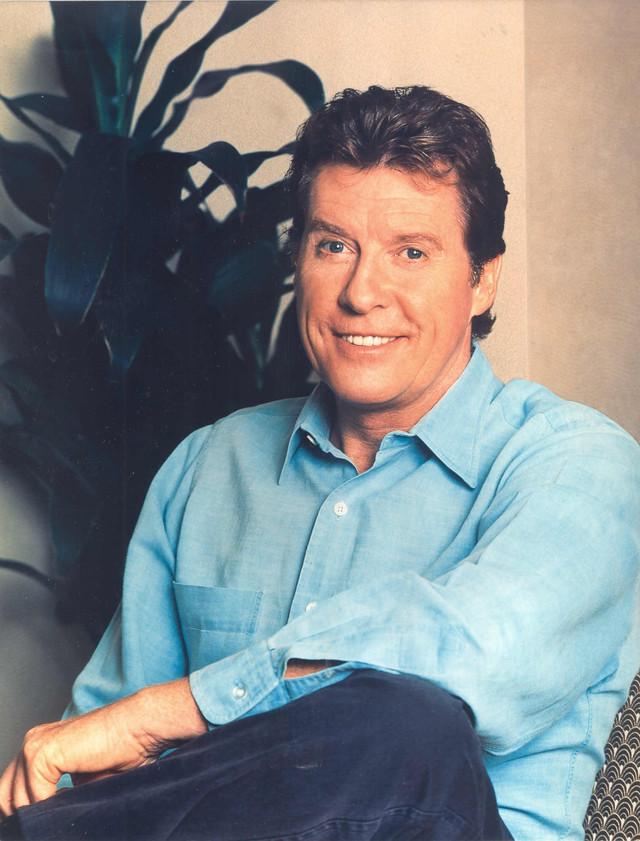
Michael Crawford

Classical
Classical Crossover
Mainstream Pop
 Viberate Rank: 51147
 Viberate Rank: 51147
 Monthly ListenersFollowers
 Subscribers
 Followers
 Followers
 FansTop Spotify Songs
| Track | 7-Day Streams | |
|---|---|---|
1 | 70.26K | |
2 | 49.08K | |
3 | 48.93K | |
4 | 30.94K | |
5 | 20.00K |
Top YouTube VideosMonthly ListenersFeatured in Playlists| Playlist | Followers | |
|---|---|---|
1 |  Halloween Party Spotify | 1.51M |
2 |  Broadway Hits Spotify | 585.61K |
3 | best of cigarettes after sex. nyanonymous | 356.61K |
4 |  Fidi & Bumsi Spotify | 353.23K |
5 |  HALLOWEEN PARTY 2026 👻 Filtr US | 316.55K |
Audience| City | Monthly Listeners | |
|---|---|---|
1 | | 31.74K |
2 |  | 24.63K |
3 |  | 22.79K |
4 | | 21.77K |
5 | | 17.17K |
See full performance history, audience data, playlist activity, rankings, comparisons, and more in Viberate music analytics. Start with a free trial, then continue with a paid plan.
Michael Crawford’s Spotify BioMost popular to theater audiences from his title role in Andrew Lloyd Webber's version of The Phantom of the Opera, Michael Crawford was in fact a star of the British stage and screen for almost two decades before that. Born in Wiltshire, England, in 1942, he began singing in the school choir and, while still a teenager, changed his name from Dumble-Smith to the more charismatic Crawford and began working in radio, television, and film. After first stepping on the London stage in the early '60s, Crawford's first regular television series was the BBC's 1960s show Not So Much a Programme, More a Way of Life; he appeared in several films as well (The War Lover, A Funny Thing Happened on the Way to the Forum, and a starring turn in How I Won the War, which also featured John Lennon). Crawford moved to New York in 1967, and appeared in several small plays before Gene Kelly recruited him to star in the film version of Hello, Dolly! with Barbra Streisand. Other films proved less successful,… and Crawford returned to England in the early '70s, winning an award for his role in the sitcom Some Mothers Do 'Ave 'Em.
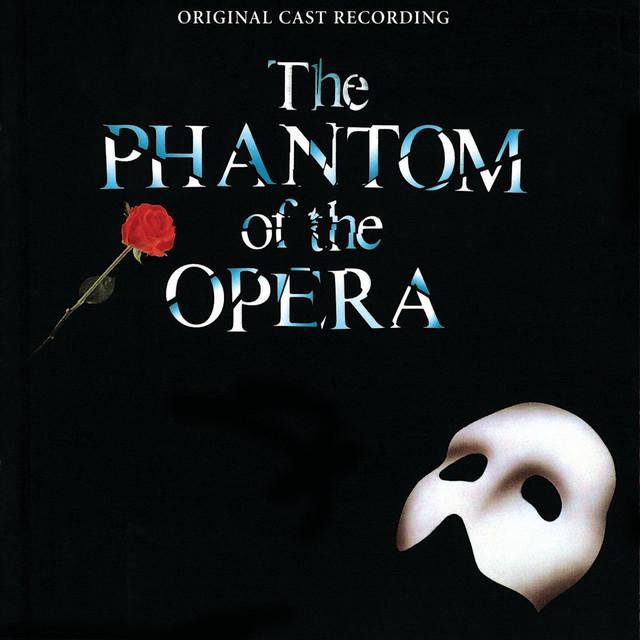
Alternating between television series and award-winning roles in theater during the '70s, Michael Crawford broke out with his title role in the musical Barnum, which earned him several awards and proved a smash hit. He toured with the show during the early '80s, and Barnum's popularity was the decisive factor in Andrew Lloyd Webber's casting of him opposite Sarah Brightman in The Phantom of the Opera in 1986. The musical earned him immense critical praise, a Tony Award, and a hit single, "The Music of the Night," which reached the British Top Ten. Signed to Atlantic that same year, Crawford released Songs from the Stage & Screen, recorded with the London Symphony Orchestra. After touring with The Phantom of the Opera across Great Britain, North America, and Australia, Crawford recorded his second album, With Love, and set out on the road once more with a production of The Music of Andrew Lloyd Webber, recorded as his third full-length release. A Touch of Music in the Night followed in 1993, and two years later Michael Crawford mounted EFX, a $40 million production set at the MGM Grand Hotel in Las Vegas, featuring Crawford playing five different parts. In the spring of 1998 Michael Crawford released On Eagle's Wings, a collection of spiritual songs; Live in Concert followed later that same year, and in 1999 he released In the Moon of Wintertime: Christmas with Michael Crawford. ~ John Bush, Rovi
Viberate is a music analytics platform built for A&Rs, artist managers, labels, booking agents, marketers, and artists.
It helps music professionals track artist growth, analyze audience data, monitor playlist activity, compare artists, follow song performance, and identify opportunities across the music market.
Public artist pages provide a free preview of selected artist data. Paid plans provide access to deeper analytics, historical data, charts, comparisons, playlist tools, exports, alerts, reports, and additional professional features.
Yes. Public Viberate artist pages provide selected artist analytics and music data for free.
Viberate also offers a 7-day free trial of the full platform. A credit card is required to start the trial. The trial includes access to the complete product so users can test deeper artist analytics, historical views, playlist insights, comparisons, charts, exports, alerts, and reporting features before choosing a paid plan.
Viberate provides artist analytics across streaming, playlists, social media, video, radio airplay, songs, and audience markets.
Users can analyze Spotify performance, Spotify and Apple Music playlists, YouTube activity, TikTok and Instagram growth, radio spins, song performance, audience locations, demographics, rankings, and overall artist momentum.
Artist profiles also connect to music charts, similar artists, and comparison tools, helping users benchmark performance and evaluate artists in context.
Viberate updates key artist and track data daily.
For followed artists and tracks, selected data is refreshed multiple times per day. This helps teams monitor playlist changes, streaming movement, audience growth, releases, and campaign performance with more current data.
Update frequency can vary depending on the metric and data source.
Yes. Viberate lets users compare up to five artists side by side across streaming, social media, audience, and engagement metrics.
Users can compare fanbase growth, audience demographics, locations, Spotify performance, social metrics, and other artist data over selected time periods.
Artist comparison can be used for A&R scouting, benchmarking, booking decisions, campaign planning, and evaluating artists with similar audiences or market positions.