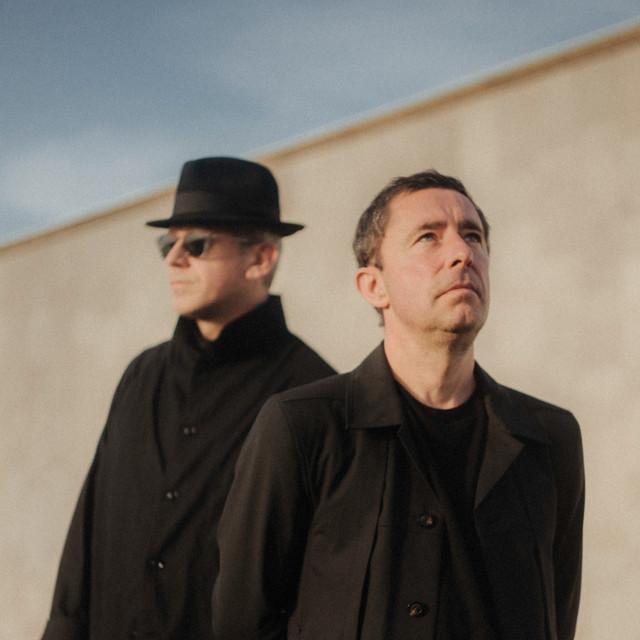
Michael Andrews

Rock
Indie Rock
Orchestral
 Viberate Rank: 34190
 Viberate Rank: 34190
 Monthly ListenersFollowers
 Subscribers
 Followers
 Followers
 FansTop Spotify Songs
| Track | 7-Day Streams | |
|---|---|---|
1 | 582.55K | |
2 | 8.72K | |
3 | 6.48K | |
4 | 6.15K | |
5 | 4.84K |
Top YouTube VideosMonthly ListenersFeatured in Playlists| Playlist | Followers | |
|---|---|---|
1 |  Atmospheric Sci-fi Soundtracks Spotify | 760.71K |
2 |  Dean Winchester's Impala Playlist Ekin | 161.83K |
3 |  Donnie Darko Soundtrack filtermexico | 82.61K |
4 |  Best of Movie, TV & Game Soundtracks by GuiguiF Guillaume Flahaut | 53.67K |
5 | dansecaribe | 50.80K |
Audience| City | Monthly Listeners | |
|---|---|---|
1 |  | 16.33K |
2 |  | 16.14K |
3 | | 15.91K |
4 |  | 15.62K |
5 | | 13.06K |
See full performance history, audience data, playlist activity, rankings, comparisons, and more in Viberate music analytics. Start with a free trial, then continue with a paid plan.
Michael Andrews’ Spotify BioMichael Andrews began his professional music career in the late 80s as the frontman and co-founder of West Coast alt-pop band The Origin. After disbanding, in 1993, Andrews joined the genre-defying seminal acid jazz outfit The Greyboy Allstars, launching what has become a 30-year-long musical collaboration.
As chance would have it, Andrews started his film career with The Zero Effect as a group effort with Greyboy Allstars. He later moved on individually as a film and television composer with the cult NBC show Freaks & Geeks in 1998, and directly followed it up with another cult classic, Richard Kelly’s Donnie Darko (Original Motion Picture Soundtrack). Along with the evocative score, the soundtrack also featured Andrews' spooky rendering of Tears for Fears' "Mad World” featuring vocalist Gary Jules.
Andrews continues making personal music in the vein of his solo releases Hand On String and Spilling A Rainbow, writing and producing in collaboration with various artists, and composing for… film and streaming media (full credits here). Recent releases include The Greyboy Allstars’ Grab Bag and Summer of Us by FITZ. See a complete list of credits here.
Viberate is a music analytics platform built for A&Rs, artist managers, labels, booking agents, marketers, and artists.
It helps music professionals track artist growth, analyze audience data, monitor playlist activity, compare artists, follow song performance, and identify opportunities across the music market.
Public artist pages provide a free preview of selected artist data. Paid plans provide access to deeper analytics, historical data, charts, comparisons, playlist tools, exports, alerts, reports, and additional professional features.
Yes. Public Viberate artist pages provide selected artist analytics and music data for free.
Viberate also offers a 7-day free trial of the full platform. A credit card is required to start the trial. The trial includes access to the complete product so users can test deeper artist analytics, historical views, playlist insights, comparisons, charts, exports, alerts, and reporting features before choosing a paid plan.
Viberate provides artist analytics across streaming, playlists, social media, video, radio airplay, songs, and audience markets.
Users can analyze Spotify performance, Spotify and Apple Music playlists, YouTube activity, TikTok and Instagram growth, radio spins, song performance, audience locations, demographics, rankings, and overall artist momentum.
Artist profiles also connect to music charts, similar artists, and comparison tools, helping users benchmark performance and evaluate artists in context.
Viberate updates key artist and track data daily.
For followed artists and tracks, selected data is refreshed multiple times per day. This helps teams monitor playlist changes, streaming movement, audience growth, releases, and campaign performance with more current data.
Update frequency can vary depending on the metric and data source.
Yes. Viberate lets users compare up to five artists side by side across streaming, social media, audience, and engagement metrics.
Users can compare fanbase growth, audience demographics, locations, Spotify performance, social metrics, and other artist data over selected time periods.
Artist comparison can be used for A&R scouting, benchmarking, booking decisions, campaign planning, and evaluating artists with similar audiences or market positions.