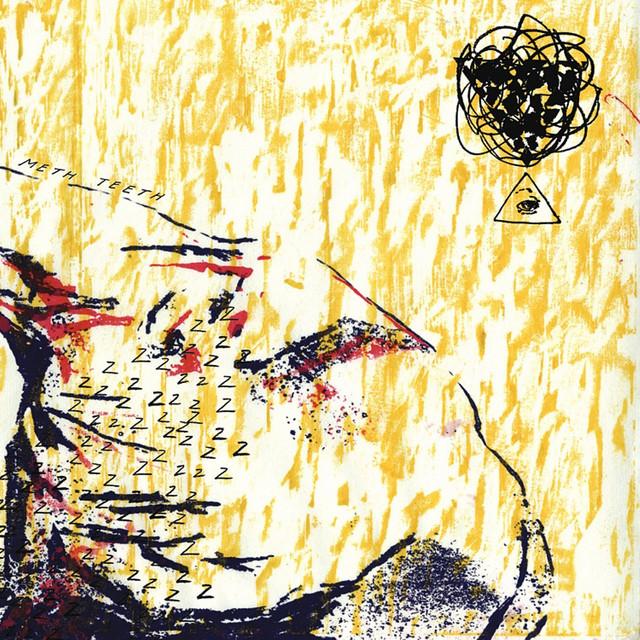
Meth Teeth

Country
Americana/Alt Country
Indie Rock
 Viberate Rank: 707302
 Viberate Rank: 707302
 Monthly ListenersFollowers
 Subscribers
 Followers
 Followers
 FansTop Spotify Songs
| Track | 7-Day Streams | |
|---|---|---|
1 | 19 | |
2 | 15 | |
3 | 11 | |
4 | 7 | |
5 | 5 |
Top YouTube VideosMonthly ListenersFeatured in Playlists| Playlist | Followers | |
|---|---|---|
1 |  Sacred Bones Best of the Decade: 2010-2019 Sacred Bones Records | 1.75K |
2 |  Deus Ex Machina - The Temple of Enthusiasm Steven Stevenelli | 1.42K |
3 |  Sacred Bones Records Discography Chris | 1.11K |
Audience| City | Monthly Listeners | |
|---|---|---|
1 | | 5 |
2 | | 4 |
3 | | 3 |
4 | | 3 |
See full performance history, audience data, playlist activity, rankings, comparisons, and more in Viberate music analytics. Start with a free trial, then continue with a paid plan.
Meth Teeth’s Spotify BioPortland, OR's Meth Teeth (careful when googling) has a similar beginning to another band that formed after their frontman's band broke up and took to writing music by himself, for himself: Bon Iver.
Like Bon Iver's Justin Vernon, Meth Teeth's founding member Mattey Hunter started the project after wondering about how fulfilled he was playing in bands. Eventually, Hunter started writing acoustic folk songs only for himself and playing them in houses around Portland, ultimately connecting with drummer Kyle Raquipiso (a previous winner of Sub Pop's Loser Scholarship) whom he credits with adding the blown-out hiss to the recordings and bringing electric instruments into their live set. Matt Nice briefly joined the band on guitar for live performances and a national tour.
The duo of Hunter and Raquipiso began writing and recording together, getting material released on the Sweet Rot label, including their debut 7" in 2007. Fall of 2009's Everything Went Wrong, their first full-length,… followed on the Woodsist label, adding guitarist Zach Fischmann to the band during the recording process and providing a second guitar part to Meth Teeth's fuzzy, mumbled, trashcan-rawkus haze. Fischmann left after the record came out, and Aaron Levy has since been added to the roster. ~ Jeremy Shulkin, Rovi
Viberate is a music analytics platform built for A&Rs, artist managers, labels, booking agents, marketers, and artists.
It helps music professionals track artist growth, analyze audience data, monitor playlist activity, compare artists, follow song performance, and identify opportunities across the music market.
Public artist pages provide a free preview of selected artist data. Paid plans provide access to deeper analytics, historical data, charts, comparisons, playlist tools, exports, alerts, reports, and additional professional features.
Yes. Public Viberate artist pages provide selected artist analytics and music data for free.
Viberate also offers a 7-day free trial of the full platform. A credit card is required to start the trial. The trial includes access to the complete product so users can test deeper artist analytics, historical views, playlist insights, comparisons, charts, exports, alerts, and reporting features before choosing a paid plan.
Viberate provides artist analytics across streaming, playlists, social media, video, radio airplay, songs, and audience markets.
Users can analyze Spotify performance, Spotify and Apple Music playlists, YouTube activity, TikTok and Instagram growth, radio spins, song performance, audience locations, demographics, rankings, and overall artist momentum.
Artist profiles also connect to music charts, similar artists, and comparison tools, helping users benchmark performance and evaluate artists in context.
Viberate updates key artist and track data daily.
For followed artists and tracks, selected data is refreshed multiple times per day. This helps teams monitor playlist changes, streaming movement, audience growth, releases, and campaign performance with more current data.
Update frequency can vary depending on the metric and data source.
Yes. Viberate lets users compare up to five artists side by side across streaming, social media, audience, and engagement metrics.
Users can compare fanbase growth, audience demographics, locations, Spotify performance, social metrics, and other artist data over selected time periods.
Artist comparison can be used for A&R scouting, benchmarking, booking decisions, campaign planning, and evaluating artists with similar audiences or market positions.