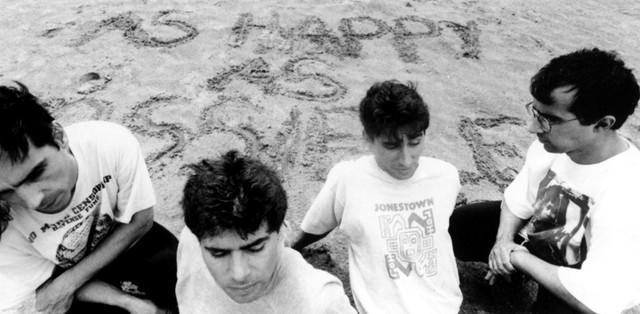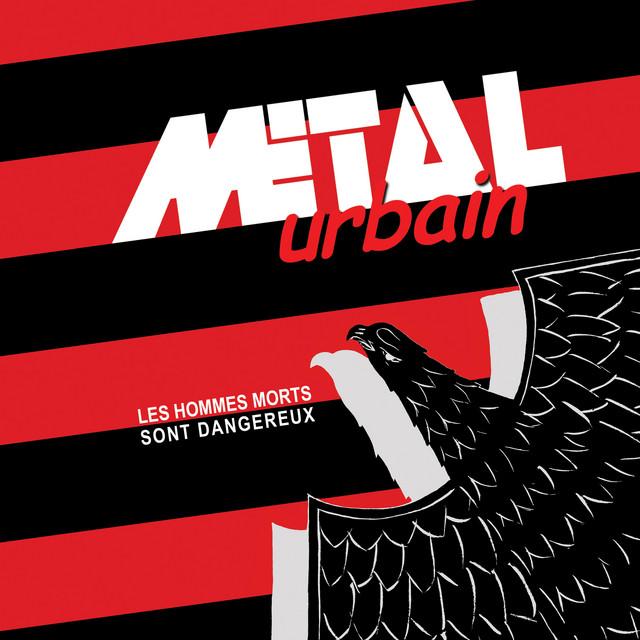
Métal Urbain

Punk
Punk Rock
Garage Rock
 Viberate Rank: 259559
 Viberate Rank: 259559
 Monthly ListenersFollowers
 Subscribers
 Followers
 Followers
 FansTop Spotify Songs
| Track | 7-Day Streams | |
|---|---|---|
1 | 440 | |
2 | 176 | |
3 | 110 | |
4 | 80 | |
5 | 47 |
Top YouTube Videos| Video | 7-Day Views | |
|---|---|---|
1 | 14 | |
2 | 3 | |
3 | 2 | |
4 | 1 | |
5 | 1 |
Monthly ListenersFeatured in Playlists| Playlist | Followers | |
|---|---|---|
1 |  Punk Classics Filtr Legacy Sweden | 73.29K |
2 |  The Evolution of Punk (In Chronological Order) kingfirley | 16.18K |
3 |  Soul Jazz Records Martin Abrams | 5.42K |
4 |  IGGY POP 🟢 The Confidential Show. 🟢@ bbc6music Roadrunner Music | 5.21K |
5 |  Jarvis Cocker's Sunday Service Anders Björk | 5.09K |
Audience| City | Monthly Listeners | |
|---|---|---|
1 | | 48 |
2 |  | 35 |
3 |  | 32 |
4 | | 23 |
5 |  | 21 |
See full performance history, audience data, playlist activity, rankings, comparisons, and more in Viberate music analytics. Start with a free trial, then continue with a paid plan.
Métal Urbain’s Spotify BioKnown as one of the first bands to incorporate synthetic percussion in a punk rock context, Metal Urbain used heavily distorted guitars, aggressive vocals, a synthesizer, and a drum machine to create some of the most original music of the punk era. Formed in Paris in 1977, this quartet had a unique approach that called into question many of the accepted notions of rock & roll itself. Despite their lack of usual rock instrumentation, they aligned themselves with the punk rock community as symbolized by the Sex Pistols rather than the anti-rock camp of Throbbing Gristle. The elimination of a conventional rhythm section (i.e., acoustic drums and bass) helped to illuminate the possibilities for experimentation within the rock aesthetic and paved the way for further exploration throughout the post-punk era. The only album they released in their original incarnation, Les Hommes Morts Sont Dangereux, was a collection of single sides and BBC radio recordings that offered an uncompromised… portrait of their bold, often confrontational style, while 2006's J'Irai Chier Dans Ton Vomi was a reunion effort produced by longtime fan Jello Biafra.
Formed in 1976 by vocalist Clode Panik (aka Claude Perrone), guitarist Herman Schwartz (aka Jean-Louis Boulanger), guitarist Pat Lüger (aka Patrick Boulanger), and synth programmer and vocalist Eric Débris (aka Éric Daugu), Metal Urbain were a band of many firsts. On their first 45, 1977's "Panik," Metal Urbain's unvarying drum machine program created a relentless attack that pushed the upper regions of punk rock aggression to new heights. Their follow-up single, "Paris Marquis," was the first release from Rough Trade Records, which became the most innovative and eclectic label of the post-punk era. Metal Urbain's vocals, sung exclusively in French, called for revolution while decrying the fascist elements of the European political structure. They continued to carve their unique niche with their third and final single, "Hysterie Connective," released in 1978 on the British Radar Records imprint.
Metal Urbain broke up in 1979, with Eric Débris, Hermann Schwartz, and Pat Lüger continuing in a similar vein with Metal Boys and Doctor Mix & the Remix, releasing records on Rough Trade. The following year, Les Hommes Mort Sont Dangereux (which translates to "Dead Men Are Dangerous") was released on Byzanteen Records and compiled their singles along with some BBC sessions. In 1985, L'Age d'Or was released on CD and double LP, compiling previously released material with additional demos, live material, and remixes. Nearly 20 years later, Acute Records issued Anarchy in Paris!, a compilation of the band's '70s releases. The same label also reissued the output of Metal Boys and Doctor Mix & the Remix.
In 2003, the group reunited for a string of live dates, including appearances in the United States, and they traveled to San Francisco to record 2006's J'Irai Chier Dans Ton Vomi, an aggressive reunion effort produced by Jello Biafra of the Dead Kennedys, who had long championed the band. (Biafra's Alternative Tentacles label would reissue Metal Urbain's debut single "Panik" in 2016.) Crève Salope, a multi-media release which included new recordings of eight classic Metal Urbain songs and videos for each track, followed in 2008. In 2021, Cleopatra Records issued the first American collection of Metal Urbain's vintage recordings, Panik! ~ Peter Schaefer & Mark Deming
Viberate is a music analytics platform built for A&Rs, artist managers, labels, booking agents, marketers, and artists.
It helps music professionals track artist growth, analyze audience data, monitor playlist activity, compare artists, follow song performance, and identify opportunities across the music market.
Public artist pages provide a free preview of selected artist data. Paid plans provide access to deeper analytics, historical data, charts, comparisons, playlist tools, exports, alerts, reports, and additional professional features.
Yes. Public Viberate artist pages provide selected artist analytics and music data for free.
Viberate also offers a 7-day free trial of the full platform. A credit card is required to start the trial. The trial includes access to the complete product so users can test deeper artist analytics, historical views, playlist insights, comparisons, charts, exports, alerts, and reporting features before choosing a paid plan.
Viberate provides artist analytics across streaming, playlists, social media, video, radio airplay, songs, and audience markets.
Users can analyze Spotify performance, Spotify and Apple Music playlists, YouTube activity, TikTok and Instagram growth, radio spins, song performance, audience locations, demographics, rankings, and overall artist momentum.
Artist profiles also connect to music charts, similar artists, and comparison tools, helping users benchmark performance and evaluate artists in context.
Viberate updates key artist and track data daily.
For followed artists and tracks, selected data is refreshed multiple times per day. This helps teams monitor playlist changes, streaming movement, audience growth, releases, and campaign performance with more current data.
Update frequency can vary depending on the metric and data source.
Yes. Viberate lets users compare up to five artists side by side across streaming, social media, audience, and engagement metrics.
Users can compare fanbase growth, audience demographics, locations, Spotify performance, social metrics, and other artist data over selected time periods.
Artist comparison can be used for A&R scouting, benchmarking, booking decisions, campaign planning, and evaluating artists with similar audiences or market positions.