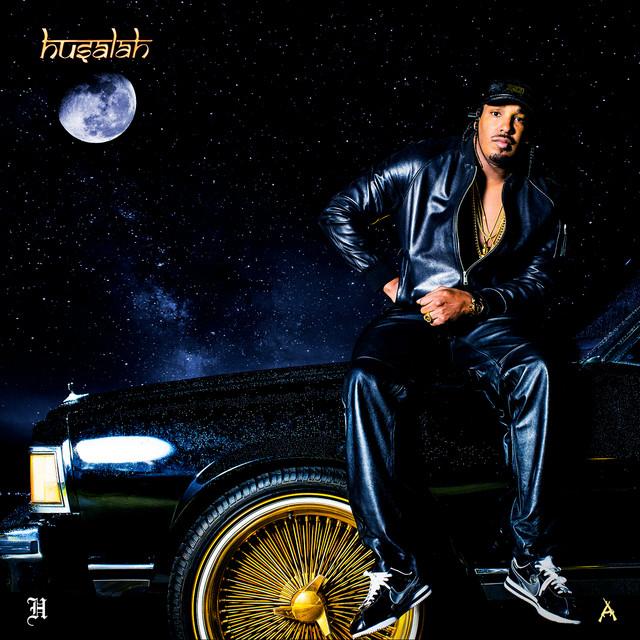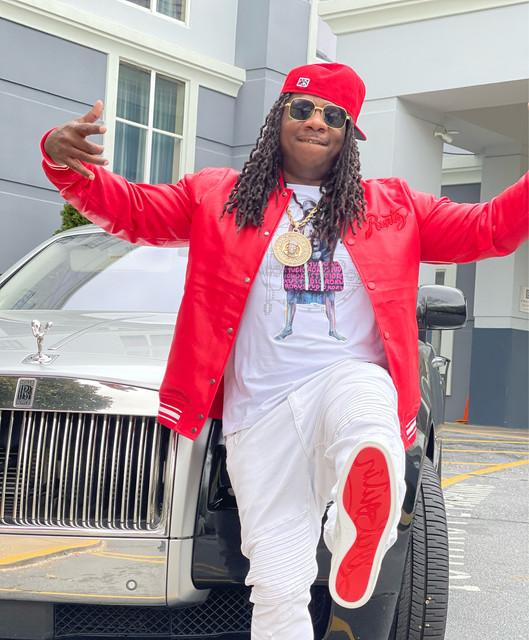
Messy Marv

Hip Hop
Contemporary Hip Hop
Alternative Hip Hop
 Viberate Rank: 57459
 Viberate Rank: 57459
 Monthly ListenersFollowers
 Subscribers
 Followers
 Followers
 FansTop Spotify Songs
| Track | 7-Day Streams | |
|---|---|---|
1 | 19.13K | |
2 | 18.93K | |
3 | 16.48K | |
4 | 12.02K | |
5 | 8.86K |
Top YouTube VideosMonthly ListenersFeatured in Playlists| Playlist | Followers | |
|---|---|---|
1 |  Meek Mill Level Up ft. Young Thug DD | 55.05K |
2 |  Every Track Star* Song Track Star* | 36.85K |
3 | Kat | 31.18K |
4 |  PRODUCED BY KANYE WEST bbjkap | 26.36K |
5 | Rap Old School hugo_2k | 25.59K |
Audience| City | Monthly Listeners | |
|---|---|---|
1 | | 11.87K |
2 | | 8.98K |
3 | | 8.76K |
4 | | 6.15K |
5 | | 5.61K |
See full performance history, audience data, playlist activity, rankings, comparisons, and more in Viberate music analytics. Start with a free trial, then continue with a paid plan.
Messy Marv’s Spotify BioMessy Marv is a prolific Bay Area rapper and label founder who has been active since the mid-'90s. Born Marvin Watson, he grew up in the Eddy Street housing projects in the Fillmore District of San Francisco. He made his commercial recording debut in 1996 with the full-length album Messy Situationz. A couple years later he released the West Coast underground classic Explosive Mode (1998), a collaboration with his cousin, rapper San Quinn, with guest features from some of the Bay Area's most prominent rap artists of the time: rappers E-40, Rappin' 4-Tay, and Celly Cel, along with producers Mike Mosley and Tone Capone. A steady stream of albums followed -- Death on a Bitch (1999), Still Explosive (2001), Turf Politics (2002), Turf Thuggin' (2002), Bonnie & Clyde (2003) -- though none was particularly popular or as well received as Explosive Mode had been. Moreover, Messy Marv struggled with personal issues during this period; for instance, he was confined to a wheelchair for half a year… after breaking both of his legs in a fall from a fourth-floor window in 2001.
He reached Billboard's Hot R&B/Hip-Hop Albums chart for the first time with Disobayish (2004), a mainstream breakthrough featuring guest features by West Coast superstars E-40, Keak da Sneak, Too $hort, and Nate Dogg. The follow-up album Bandannas, Tattoos & Tongue Rings (2005) was similarly popular and spawned the regional hit "Get on My Hype." A subsequent prison stint didn't affect Messy Marv's musical output much. Well into the latter half of the 2010s, he continued releasing multiple projects each year, including solo efforts, collaborations, and mixtapes. Among his charting releases were Messy Slick (with Mitchy Slick, released in 2007), four volumes in his Draped Up and Chipped Out series (2006-2009), a pair of Berner collaborations (both in 2010), and Millionaire Gangsta (also 2010). ~ Jason Birchmeier, Rovi
Viberate is a music analytics platform built for A&Rs, artist managers, labels, booking agents, marketers, and artists.
It helps music professionals track artist growth, analyze audience data, monitor playlist activity, compare artists, follow song performance, and identify opportunities across the music market.
Public artist pages provide a free preview of selected artist data. Paid plans provide access to deeper analytics, historical data, charts, comparisons, playlist tools, exports, alerts, reports, and additional professional features.
Yes. Public Viberate artist pages provide selected artist analytics and music data for free.
Viberate also offers a 7-day free trial of the full platform. A credit card is required to start the trial. The trial includes access to the complete product so users can test deeper artist analytics, historical views, playlist insights, comparisons, charts, exports, alerts, and reporting features before choosing a paid plan.
Viberate provides artist analytics across streaming, playlists, social media, video, radio airplay, songs, and audience markets.
Users can analyze Spotify performance, Spotify and Apple Music playlists, YouTube activity, TikTok and Instagram growth, radio spins, song performance, audience locations, demographics, rankings, and overall artist momentum.
Artist profiles also connect to music charts, similar artists, and comparison tools, helping users benchmark performance and evaluate artists in context.
Viberate updates key artist and track data daily.
For followed artists and tracks, selected data is refreshed multiple times per day. This helps teams monitor playlist changes, streaming movement, audience growth, releases, and campaign performance with more current data.
Update frequency can vary depending on the metric and data source.
Yes. Viberate lets users compare up to five artists side by side across streaming, social media, audience, and engagement metrics.
Users can compare fanbase growth, audience demographics, locations, Spotify performance, social metrics, and other artist data over selected time periods.
Artist comparison can be used for A&R scouting, benchmarking, booking decisions, campaign planning, and evaluating artists with similar audiences or market positions.