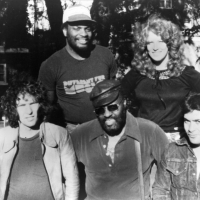
Merl Saunders

Blues
Blues Rock
Psychedelic Rock
 Viberate Rank: 176747
 Viberate Rank: 176747
 Monthly ListenersFollowers
 Subscribers
 Followers
 Followers
 FansTop Spotify SongsTop YouTube VideosMonthly ListenersFeatured in Playlists
| Playlist | Followers | |
|---|---|---|
1 | Classic Rock Greatest Hits Scott Pruden | 341.38K |
2 |  This Is Jerry Garcia Spotify | 63.89K |
3 |  Jazz Dispensary's Songs of the Day Jazz Dispensary | 51.86K |
4 |  FP’s Darts Only Fat Perez | 50.21K |
5 |  Phish Walk-In & Setbreak Music - PART I juliamordaunt | 14.28K |
Audience| City | Monthly Listeners | |
|---|---|---|
1 | | 1.70K |
2 | | 1.62K |
3 | | 1.59K |
4 | | 1.17K |
5 | | 1.05K |
See full performance history, audience data, playlist activity, rankings, comparisons, and more in Viberate music analytics. Start with a free trial, then continue with a paid plan.
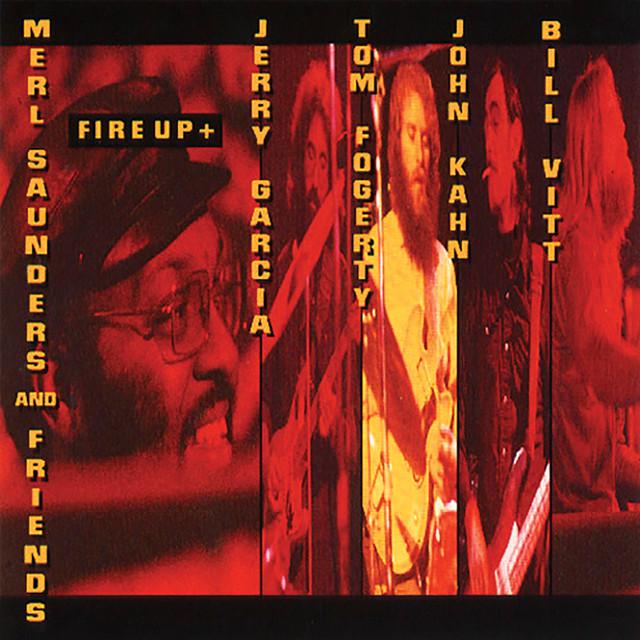
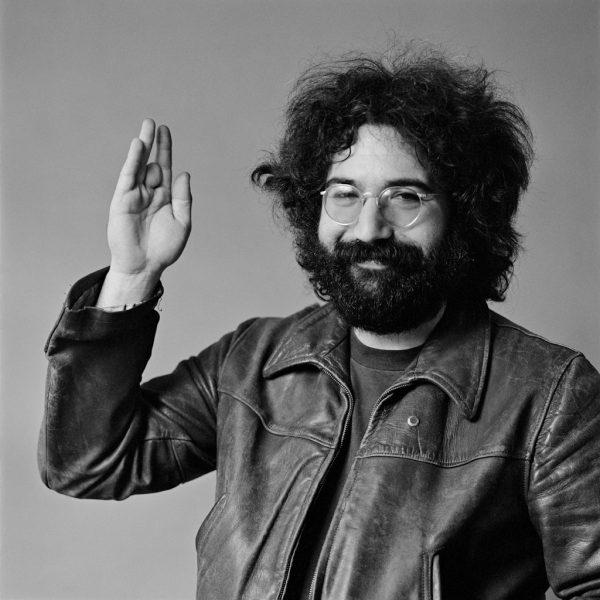
Merl Saunders’ Spotify BioKeyboardist Merl Saunders helped bring the Hammond B-3 organ to prominence throughout the '70s, playing its warm tones on recordings and live dates with numerous renowned jazz, blues, and rock artists. In addition to his work as both a bandleader and session player, Saunders became well-known for frequent collaborations with Grateful Dead singer/guitarist Jerry Garcia. In addition to sitting in with the Dead, Saunders worked with Garcia in multiple side projects, releasing live documents like 1973's fiery Live at the Keystone and later playing side by side in performance-focused bands like Legion of Mary and Reconstruction.
Born on Valentine's Day, 1934 in San Mateo, California, Saunders learned to play the piano at the age of ten. (He was a classmate and bandmate of Johnny Mathis through junior high school.) He decided on music as a profession after seeing how much fun was had by audiences and performers alike at concerts by such musicians as Cab Calloway. He apprenticed early on with …Jimmy Smith for a time, and attended various music schools. Starting in the early '70s, Saunders collaborated on and off with Jerry Garcia and the Grateful Dead. He also began working as a jazz keyboardist, and performed and recorded with Harry Belafonte, Frank Sinatra, Lionel Hampton, Miles Davis, B.B. King, Bonnie Raitt, and Paul Butterfield.
One of his several albums with Jerry Garcia, Blues from the Rainforest, hit the Top Five of the U.S. Billboard new age chart in the early '90s. Out of that collaboration grew the new agey and eco-minded Rainforest Band, which Saunders would lead for the next decade, releasing three more albums. He also ran his own label, Sumertone, which included much of his catalog, as did the Fantasy label. In 1998, Saunders released his 20th album as a leader, With His Funky Friends: Live! (Sumertone), which included guests John Popper (of Blues Traveler), and Trey Anastasio (of Phish) and posthumous recordings of collaborations with Garcia. In addition to his busy touring schedule, the San Franciscan also wrote scores for TV and movies, including Tales from the Crypt, Twilight Zone, Heavy Traffic, and Fritz the Cat. He also served as the production coordinator for the Grammy Awards for two years and worked with a number of charitable organizations, including the Rainforest Action Network and the Haight-Ashbury Free Clinic.
Saunders remained active as a musician, bandleader, composer, and collaborator until 2002, when a stroke paralyzed one side of his body. Complications from that stroke would eventually take his life six years later on October 24, 2008. A pair of tribute concerts were held the following year in San Francisco honoring Saunders' musical career. He has also been featured on a number of posthumous releases, most notably the archival Jerry Garcia series Garcialive which, in 2013, began issuing a variety of different Garcia ensembles, several of which included Saunders on keyboards. ~ Joslyn Layne, Rovi
Viberate is a music analytics platform built for A&Rs, artist managers, labels, booking agents, marketers, and artists.
It helps music professionals track artist growth, analyze audience data, monitor playlist activity, compare artists, follow song performance, and identify opportunities across the music market.
Public artist pages provide a free preview of selected artist data. Paid plans provide access to deeper analytics, historical data, charts, comparisons, playlist tools, exports, alerts, reports, and additional professional features.
Yes. Public Viberate artist pages provide selected artist analytics and music data for free.
Viberate also offers a 7-day free trial of the full platform. A credit card is required to start the trial. The trial includes access to the complete product so users can test deeper artist analytics, historical views, playlist insights, comparisons, charts, exports, alerts, and reporting features before choosing a paid plan.
Viberate provides artist analytics across streaming, playlists, social media, video, radio airplay, songs, and audience markets.
Users can analyze Spotify performance, Spotify and Apple Music playlists, YouTube activity, TikTok and Instagram growth, radio spins, song performance, audience locations, demographics, rankings, and overall artist momentum.
Artist profiles also connect to music charts, similar artists, and comparison tools, helping users benchmark performance and evaluate artists in context.
Viberate updates key artist and track data daily.
For followed artists and tracks, selected data is refreshed multiple times per day. This helps teams monitor playlist changes, streaming movement, audience growth, releases, and campaign performance with more current data.
Update frequency can vary depending on the metric and data source.
Yes. Viberate lets users compare up to five artists side by side across streaming, social media, audience, and engagement metrics.
Users can compare fanbase growth, audience demographics, locations, Spotify performance, social metrics, and other artist data over selected time periods.
Artist comparison can be used for A&R scouting, benchmarking, booking decisions, campaign planning, and evaluating artists with similar audiences or market positions.