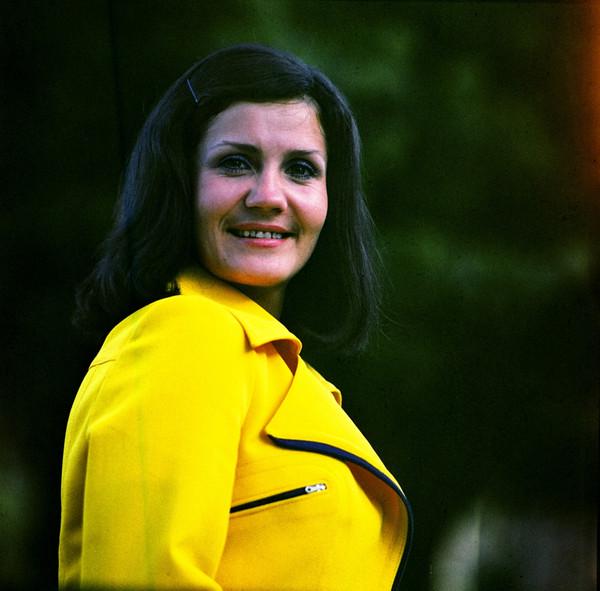
Menuets

Rock
Folk Rock
Mainstream Pop
 Viberate Rank: 321927
 Viberate Rank: 321927
 Monthly ListenersFollowers
 Subscribers
 Followers
 Followers
 FansTop Spotify Songs
| Track | 7-Day Streams | |
|---|---|---|
1 | 5.81K | |
2 | 5.52K | |
3 | 4.71K | |
4 | 2.64K | |
5 | 905 |
Top YouTube VideosMonthly ListenersFeatured in Playlists| Playlist | Followers | |
|---|---|---|
1 |  Latviešu ZELTA gabali Pēteris ;) | 9.63K |
2 | 🇱🇻 Labākie Latviešu hiti 🇱🇻 Katrīna Luīze Priede | 5.94K |
3 |  Latviešu Zaļumballe Ronalds Undzēns | 5.16K |
4 |  Līgo bez līgo! Radio Pieci | 4.92K |
5 |  Medieval core Madara | 4.83K |
Audience| City | Monthly Listeners | |
|---|---|---|
1 | | 18.19K |
2 | | 283 |
3 | | 218 |
4 | | 193 |
5 | | 174 |
See full performance history, audience data, playlist activity, rankings, comparisons, and more in Viberate music analytics. Start with a free trial, then continue with a paid plan.
Menuets’ Spotify Bio“Menueta” repertuāra lielāko daļu veidoja komponista Imanta Kalniņa dziesmas. “
Dalībnieki
A. Kronbergs (taustiņinstrumenti, saksofons, vokāls, 1968–1974)
A. Bartaševics (ģitāra, vokāls, 1968–2007)
R. Bartaševics (sitamie instrumenti, vokāls, kopš 1968)
A. Kukuvass (vokāls, trompete, 1968–1978; kopš 1992)
J. Sējāns (bass, vokāls, kopš 1968)
J. Blūms (klavieres, oboja, angļu rags, 1970–1986)
I. Bāliņa (vokāls, 1971–1973)
L. Sējāns (ritma ģitāra, vokāls, kopš 1974)
I. Pabērza (vokāls, kopš 1974)
B. Jagere (flauta, vokāls, kopš 1974)
Imants Paura (taustiņinstrumenti, 1974–1977)
J. Kulakovs (taustiņinstrumenti, kopš 1978; miris 2024)
D. Petroviča (vokāls, 1979–1983)
I. Ruņģis (sitamie instrumenti, kopš 1995)
Dažādos periodos ilgāku vai īsāku laiku “Menuetā” darbojušies: meiteņu vokālais kvartets – Anita Arlauskas, Ingrīda Šambone, Ilze Eihmane un Astra Neilande –, Juris Karlsons, Dzintars Ozers, Mārtiņš Boiko.
Ievērojamākās dziesmas
“Dzeguzes balss”, “Dziesma par četriem baltiem krekliem”, “Viņi dejoja… vienu vasaru”, “Dziesma, ar ko tu sācies”, “Par to gadījumu ar Džordano Bruno”, “Romantika”, “Melnā aronija”, “Septiņas skumjas zvaigznes”, “Kamēr saule vēl nenoriet” un citas.
Diskogrāfija
LP*, Imants Kalniņš. Dzeguzes balss. “Melodija”, Rīga, 1979.
CD**, Menuets. In Memoriam. MicRec, Rīga, 1996.
CD, Menuets. Kamēr saule vēl nenoriet (Dziesmu izlase Nr. 2). Musica Baltica, Rīga, 1998.
CD, Menuets. Cilvēks, kas smejas. Upe tuviem un tāliem, Rīga, 2005.
Viberate is a music analytics platform built for A&Rs, artist managers, labels, booking agents, marketers, and artists.
It helps music professionals track artist growth, analyze audience data, monitor playlist activity, compare artists, follow song performance, and identify opportunities across the music market.
Public artist pages provide a free preview of selected artist data. Paid plans provide access to deeper analytics, historical data, charts, comparisons, playlist tools, exports, alerts, reports, and additional professional features.
Yes. Public Viberate artist pages provide selected artist analytics and music data for free.
Viberate also offers a 7-day free trial of the full platform. A credit card is required to start the trial. The trial includes access to the complete product so users can test deeper artist analytics, historical views, playlist insights, comparisons, charts, exports, alerts, and reporting features before choosing a paid plan.
Viberate provides artist analytics across streaming, playlists, social media, video, radio airplay, songs, and audience markets.
Users can analyze Spotify performance, Spotify and Apple Music playlists, YouTube activity, TikTok and Instagram growth, radio spins, song performance, audience locations, demographics, rankings, and overall artist momentum.
Artist profiles also connect to music charts, similar artists, and comparison tools, helping users benchmark performance and evaluate artists in context.
Viberate updates key artist and track data daily.
For followed artists and tracks, selected data is refreshed multiple times per day. This helps teams monitor playlist changes, streaming movement, audience growth, releases, and campaign performance with more current data.
Update frequency can vary depending on the metric and data source.
Yes. Viberate lets users compare up to five artists side by side across streaming, social media, audience, and engagement metrics.
Users can compare fanbase growth, audience demographics, locations, Spotify performance, social metrics, and other artist data over selected time periods.
Artist comparison can be used for A&R scouting, benchmarking, booking decisions, campaign planning, and evaluating artists with similar audiences or market positions.