Men At Large

R&B
Contemporary R&B
Soul
 Viberate Rank: 100624
 Viberate Rank: 100624
 Monthly ListenersFollowers
 Subscribers
 Followers
 Followers
 FansTop Spotify Songs
| Track | 7-Day Streams | |
|---|---|---|
1 | 16.55K | |
2 | 4.10K | |
3 | 3.09K | |
4 | 2.07K | |
5 | 1.90K |
Top YouTube VideosMonthly ListenersFeatured in Playlists| Playlist | Followers | |
|---|---|---|
1 | Slow Jams/R&B ❤️ _elissseee | 74.29K |
2 |  Best New Jack Swing Collection Playlist DJ Hol Up | 38.17K |
3 | 90's R&B Slow Jams, Throwbacks, Quiet Storm Classics And Forgotten Rarities 🎧 Rick Plant | 29.54K |
4 |  Metro FM - Sunday Soul Therapy (inspiration) Kwazi Ngubane | 26.90K |
5 | Best Soul Music Sipho Mabena | 20.45K |
Audience| City | Monthly Listeners | |
|---|---|---|
1 |  | 2.05K |
2 | | 1.42K |
3 | | 1.40K |
4 | | 1.35K |
5 | | 1.15K |
See full performance history, audience data, playlist activity, rankings, comparisons, and more in Viberate music analytics. Start with a free trial, then continue with a paid plan.
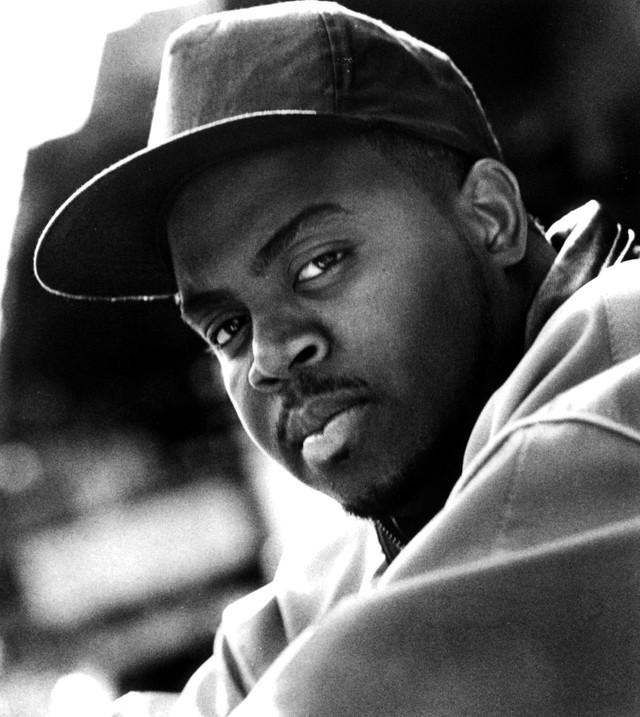
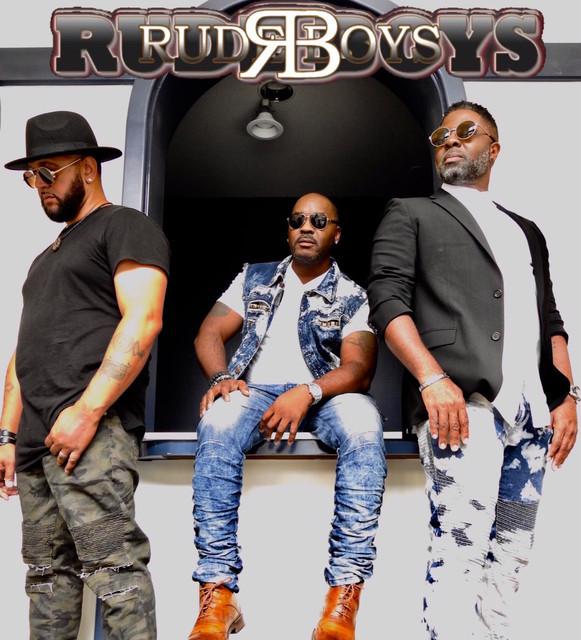
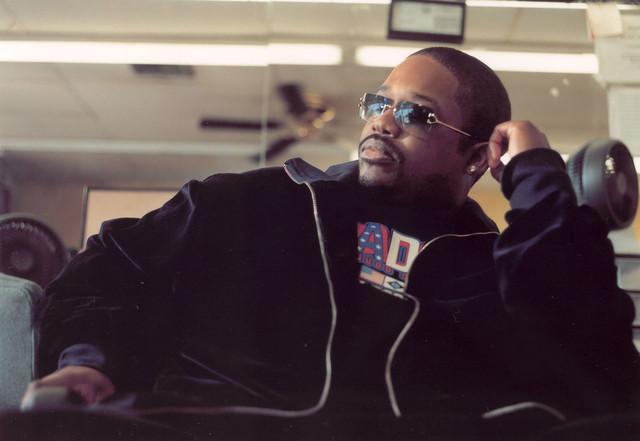
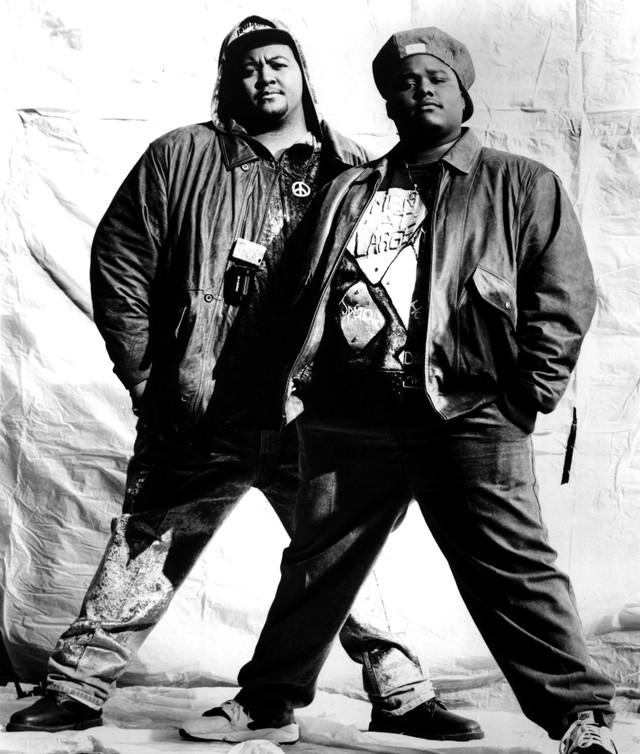
Men At Large’s Spotify BioR&B duo Men at Large arrived during the tail-end of the new jack swing era with strong support and creative input from fellow Clevelander Gerald Levert. Expressive vocalists Dave Tolliver and Jason Champion began with Atlantic subsidiary EastWest and released two albums for the label: Men at Large (1992) and the relatively mellow One Size Fits All (1994). They reached Billboard's R&B chart with seven singles from those titles, including the Top Ten hits "Use Me" and "So Alone," the latter of which was a ballad addressed to Tolliver's mother, who had recently passed. Third and fourth Men at Large albums were issued through independent labels during the late '90s and 2000s. After the duo split, Champion recorded contemporary gospel material and was featured on high-profile albums by A-listers Kirk Franklin and Deitrick Haddon. Tolliver popped up on tracks by Rome and 8Ball & MJG and released solo albums in 2009 and 2015. In 2016, with Edgar "Gemini" Porter in place of Champion, Tolliver …reactivated Men at Large through the single "Date Night." ~ Andy Kellman
Viberate is a music analytics platform built for A&Rs, artist managers, labels, booking agents, marketers, and artists.
It helps music professionals track artist growth, analyze audience data, monitor playlist activity, compare artists, follow song performance, and identify opportunities across the music market.
Public artist pages provide a free preview of selected artist data. Paid plans provide access to deeper analytics, historical data, charts, comparisons, playlist tools, exports, alerts, reports, and additional professional features.
Yes. Public Viberate artist pages provide selected artist analytics and music data for free.
Viberate also offers a 7-day free trial of the full platform. A credit card is required to start the trial. The trial includes access to the complete product so users can test deeper artist analytics, historical views, playlist insights, comparisons, charts, exports, alerts, and reporting features before choosing a paid plan.
Viberate provides artist analytics across streaming, playlists, social media, video, radio airplay, songs, and audience markets.
Users can analyze Spotify performance, Spotify and Apple Music playlists, YouTube activity, TikTok and Instagram growth, radio spins, song performance, audience locations, demographics, rankings, and overall artist momentum.
Artist profiles also connect to music charts, similar artists, and comparison tools, helping users benchmark performance and evaluate artists in context.
Viberate updates key artist and track data daily.
For followed artists and tracks, selected data is refreshed multiple times per day. This helps teams monitor playlist changes, streaming movement, audience growth, releases, and campaign performance with more current data.
Update frequency can vary depending on the metric and data source.
Yes. Viberate lets users compare up to five artists side by side across streaming, social media, audience, and engagement metrics.
Users can compare fanbase growth, audience demographics, locations, Spotify performance, social metrics, and other artist data over selected time periods.
Artist comparison can be used for A&R scouting, benchmarking, booking decisions, campaign planning, and evaluating artists with similar audiences or market positions.