Mem Shannon

Blues
Contemporary Blues
Soul Blues
 Viberate Rank: 469217
 Viberate Rank: 469217
 Monthly ListenersFollowers
 Subscribers
 Followers
 Followers
 FansTop Spotify Songs
| Track | 7-Day Streams | |
|---|---|---|
1 | 129 | |
2 | 47 | |
3 | 44 | |
4 | 41 | |
5 | 34 |
Top YouTube VideosMonthly ListenersFeatured in Playlists| Playlist | Followers | |
|---|---|---|
1 |  Soul Blues Spotify | 44.92K |
2 |  Blues Ballads/ Slow Blues Joar Fosså | 39.54K |
3 | Treme HBO bentomlinson | 9.50K |
4 |  Shameless US · OST Caye | 6.92K |
5 |  WWOZ 90.7 FM (New Orleans Radio) Bryson Whitney | 6.48K |
Audience| City | Monthly Listeners | |
|---|---|---|
1 | | 12 |
2 |  | 12 |
3 | | 10 |
4 | | 10 |
5 | | 9 |
See full performance history, audience data, playlist activity, rankings, comparisons, and more in Viberate music analytics. Start with a free trial, then continue with a paid plan.
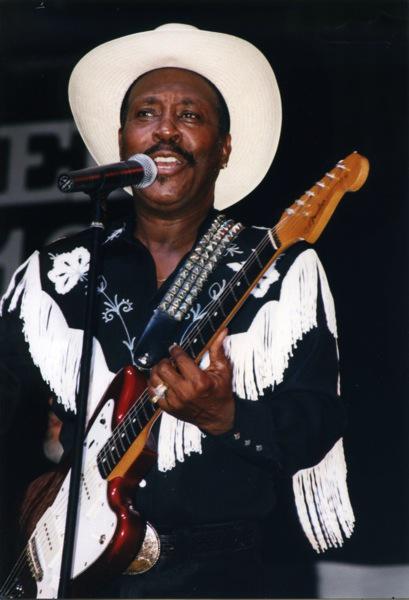
Mem Shannon’s Spotify BioGuitarist, singer, and songwriter Mem Shannon is one of young lions of blues who believes in expanding the parameters of the music. His two albums for Rykodisc, A Cab Driver's Blues (his 1995 debut) and Mem Shannon's 2nd Blues Album (1997), are both worth seeking out in record stores. Shannon brilliantly combines elements of funk, jazz, and rock & roll into his guitar playing, and his soulful vocals are not your run-of-the-mill stylings. In fact, most things about Shannon are exceptional: the way he write songs, the way he sings them, and the way he presents them. He's a rock & roll kid who played in a variety of cover bands in high school in his native New Orleans, but he always had a healthy appreciation for blues and gospel music.
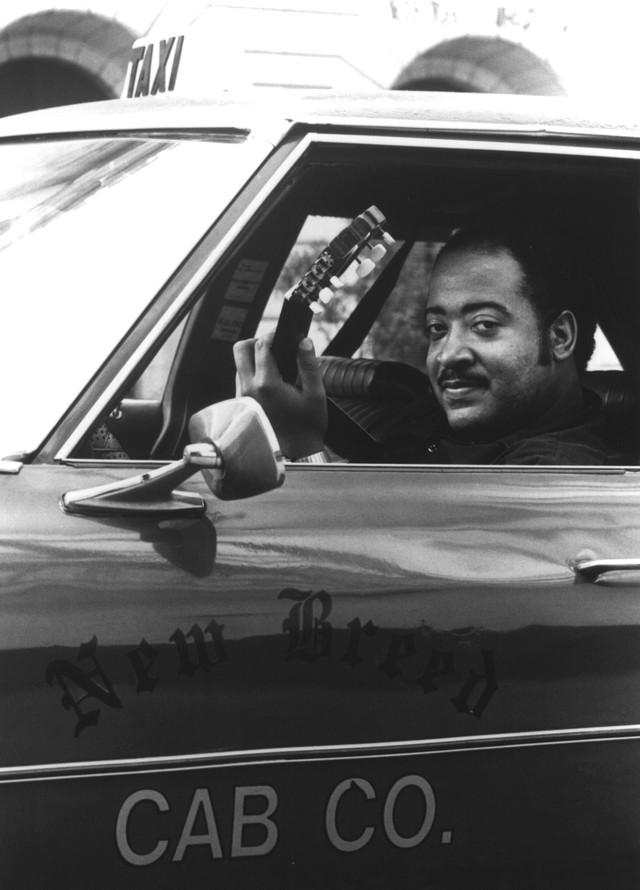
Shannon was born in New Orleans and began playing clarinet at age nine. By the time he was 15, he was playing guitar, inspired by his father's blues record collection, but it wasn't until he saw B.B. King that he got serious about it and began practicing in… earnest. He began playing in Top 40 and wedding bands around the Crescent City. His first band after high school, the Ebony Brothers Hot Band, played dances, parties, and neighborhood bars. His second group, Free Enterprize, found work doing covers. However, his father passed away unexpectedly in 1981, and as the oldest son in a close-knit family, he began driving a cab to help the family pay bills. He also played guitar in the Dedicators, a gospel group, but there was no money whatsoever in that.
He put his music aside for a while, but began playing again in 1990 after being encouraged to do so by Peter Carter, his old bassist from Free Enterprize. Shannon began working out lyrics and song ideas and working with Carter again. His songs were inspired partly by his life and experiences driving a cab. Regular club gigs followed at a few clubs in the French Quarter. In 1991, he spotted an ad in the local newspaper advertising a talent contest. Shannon and the Membership won the contest, ensuring them a spot at the New Orleans Jazz and Heritage Festival, plus $1,000 and a television commercial. Later in 1991, Shannon and the Membership went to the Long Beach Blues Festival's talent contest, but lost out in the finals and didn't get to play the festival.
After making a demo tape of his material, he got some interest from JSP, a London-based blues label, but an area producer offered his services to re-record some of the songs on Shannon's demo. The producer, Mark Bingham, brought Shannon's music to the attention of Joe Boyd of Hannibal Records in 1994. Boyd was impressed, and on October 15, 1995, Shannon's debut, A Cab Driver's Blues, was released. The album drew critical praise from far and wide, but it also got him an extraordinary amount of publicity. Because of the interesting nature of the recording, which includes snippets of conversation with passengers from his cab interspersed with the music, Shannon's story attracted the attention of producers at PBS-TV, CBS-TV's Sunday Morning, and editors at the New York Times.
By April of 1996, at the annual New Orleans Jazz and Heritage Festival, Shannon announced from the stage that he was giving up his job as a cab driver to play blues full-time. He didn't looked back, and thanks to good booking agents and his own work ethic, he toured extensively around the U.S., Europe, and Canada. Shannon was the first major new talent to come out of New Orleans in some time, and since thousands of foreigners visit New Orleans every spring for JazzFest, Shannon forged his reputation as an international touring musician easily. His music isn't stuck in a jump-shuffle mode. He takes a broader view, incorporating elements of funk, jazz, swamp rock, and classic rock into the Membership's blues-based sound. The band funks it up with varying shuffle drum backbeats, throbbing basslines, a wailing saxophone, and feathery keyboard treatments. And there is room in Shannon's view of himself as a bluesman for political and social commentary in songs like "Wrong People in Charge," "Charity," and "Down Broke."
In addition to his two Ryko CDs, Shannon released Spend Some Time with Me in 1999 and Memphis in the Morning in 2001, both on the Shanachie label. Four years later I'm from Phunkville was issued on Northern Blues Music. ~ Richard Skelly, Rovi
Viberate is a music analytics platform built for A&Rs, artist managers, labels, booking agents, marketers, and artists.
It helps music professionals track artist growth, analyze audience data, monitor playlist activity, compare artists, follow song performance, and identify opportunities across the music market.
Public artist pages provide a free preview of selected artist data. Paid plans provide access to deeper analytics, historical data, charts, comparisons, playlist tools, exports, alerts, reports, and additional professional features.
Yes. Public Viberate artist pages provide selected artist analytics and music data for free.
Viberate also offers a 7-day free trial of the full platform. A credit card is required to start the trial. The trial includes access to the complete product so users can test deeper artist analytics, historical views, playlist insights, comparisons, charts, exports, alerts, and reporting features before choosing a paid plan.
Viberate provides artist analytics across streaming, playlists, social media, video, radio airplay, songs, and audience markets.
Users can analyze Spotify performance, Spotify and Apple Music playlists, YouTube activity, TikTok and Instagram growth, radio spins, song performance, audience locations, demographics, rankings, and overall artist momentum.
Artist profiles also connect to music charts, similar artists, and comparison tools, helping users benchmark performance and evaluate artists in context.
Viberate updates key artist and track data daily.
For followed artists and tracks, selected data is refreshed multiple times per day. This helps teams monitor playlist changes, streaming movement, audience growth, releases, and campaign performance with more current data.
Update frequency can vary depending on the metric and data source.
Yes. Viberate lets users compare up to five artists side by side across streaming, social media, audience, and engagement metrics.
Users can compare fanbase growth, audience demographics, locations, Spotify performance, social metrics, and other artist data over selected time periods.
Artist comparison can be used for A&R scouting, benchmarking, booking decisions, campaign planning, and evaluating artists with similar audiences or market positions.