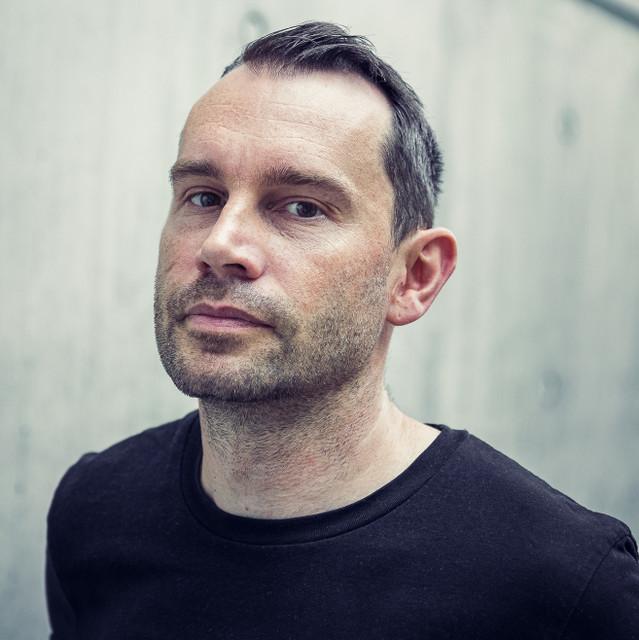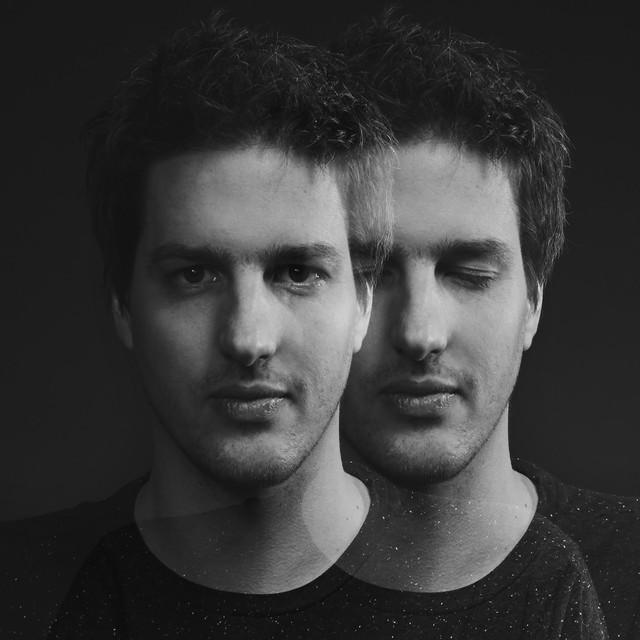
Melokind

Electronic
House
Deep House
Tech House
 Viberate Rank: 133777
 Viberate Rank: 133777
 Monthly ListenersFollowers
 Subscribers
 Followers
 Followers
 FansTop Spotify Songs
| Track | 7-Day Streams | |
|---|---|---|
1 | 18.11K | |
2 | 16.20K | |
3 | 7.98K | |
4 | 6.41K | |
5 | 3.16K |
Top YouTube VideosMonthly ListenersFeatured in Playlists| Playlist | Followers | |
|---|---|---|
1 |  TANTRIC & ORGASMIC medina | 150.94K |
2 |  OUTLIER FOCUS Thiago Finch | 52.22K |
3 |  Deep Techno Rene Rachfalski | 35.87K |
4 |  Ecstatic Dance • free your body SelahSoundHealing | 34.86K |
5 |  Lounge Chill House 2026 Andreas Rollnert | 28.41K |
Audience| City | Monthly Listeners | |
|---|---|---|
1 | | 5.49K |
2 | | 3.67K |
3 | | 2.52K |
4 | | 2.37K |
5 | | 1.99K |
See full performance history, audience data, playlist activity, rankings, comparisons, and more in Viberate music analytics. Start with a free trial, then continue with a paid plan.
Melokind’s Spotify BioIn 1984 Denny Marx, who nowadays is better known under his stage name “Melokind”, was born in the small town of St. Wendel in the tranquil Saarland area. In his childhood he already showed a strong interest in electronic music and was deeply inspired by artists like Erasure, Ace of Base and other members of the 90’s electropop movement. It didn’t take long for him to make his first steps in the area of music production. In 2009 he started working with the producing software “Ableton Live” and hereby took the leap to producing his own works.
Today, “Melokind” is unifying a wide variety of styles into a successful whole. Beyond the different genres of electronic music, among others Trance, Electro, Techhouse and Experimental, his artistic work also shows ongoing influence by classical music,rock, pop and rap. He draws his ideas and inspiration from the little things, day to day life, memories and nature. On his gigs he takes his fans and audience on his very own and capturing journey… through the spheres of his artistic world and enchants them with his musical interpretations.
Viberate is a music analytics platform built for A&Rs, artist managers, labels, booking agents, marketers, and artists.
It helps music professionals track artist growth, analyze audience data, monitor playlist activity, compare artists, follow song performance, and identify opportunities across the music market.
Public artist pages provide a free preview of selected artist data. Paid plans provide access to deeper analytics, historical data, charts, comparisons, playlist tools, exports, alerts, reports, and additional professional features.
Yes. Public Viberate artist pages provide selected artist analytics and music data for free.
Viberate also offers a 7-day free trial of the full platform. A credit card is required to start the trial. The trial includes access to the complete product so users can test deeper artist analytics, historical views, playlist insights, comparisons, charts, exports, alerts, and reporting features before choosing a paid plan.
Viberate provides artist analytics across streaming, playlists, social media, video, radio airplay, songs, and audience markets.
Users can analyze Spotify performance, Spotify and Apple Music playlists, YouTube activity, TikTok and Instagram growth, radio spins, song performance, audience locations, demographics, rankings, and overall artist momentum.
Artist profiles also connect to music charts, similar artists, and comparison tools, helping users benchmark performance and evaluate artists in context.
Viberate updates key artist and track data daily.
For followed artists and tracks, selected data is refreshed multiple times per day. This helps teams monitor playlist changes, streaming movement, audience growth, releases, and campaign performance with more current data.
Update frequency can vary depending on the metric and data source.
Yes. Viberate lets users compare up to five artists side by side across streaming, social media, audience, and engagement metrics.
Users can compare fanbase growth, audience demographics, locations, Spotify performance, social metrics, and other artist data over selected time periods.
Artist comparison can be used for A&R scouting, benchmarking, booking decisions, campaign planning, and evaluating artists with similar audiences or market positions.