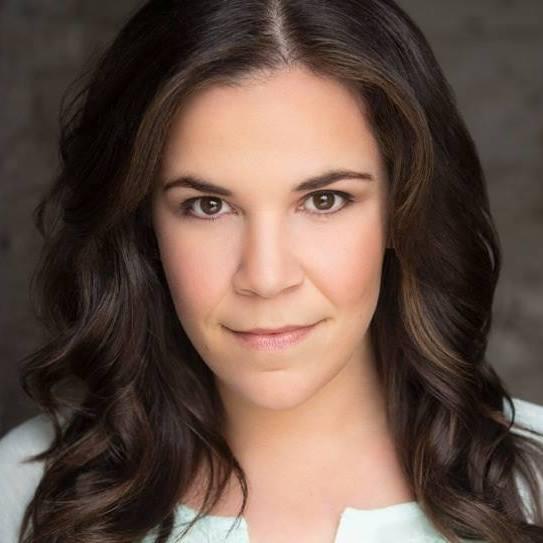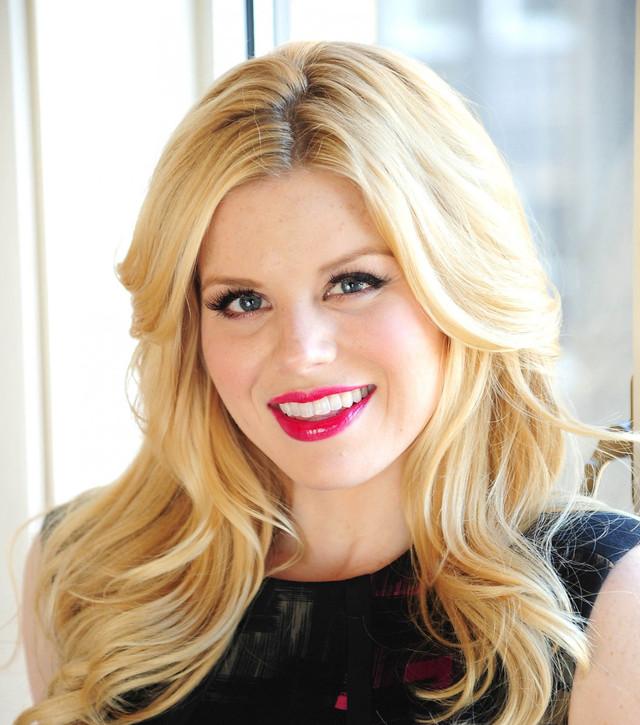
Megan Hilty

Pop
Mainstream Pop
 Viberate Rank: 48269
 Viberate Rank: 48269
 Monthly ListenersFollowers
 Subscribers
 Followers
 Followers
 FansTop Spotify Songs
| Track | 7-Day Streams | |
|---|---|---|
1 | 84.26K | |
2 | 16.79K | |
3 | 14.64K | |
4 | 12.38K | |
5 | 10.03K |
Top YouTube Videos| Video | 7-Day Views | |
|---|---|---|
1 | 33 | |
2 | 21 | |
3 | 7 | |
4 | 5 | |
5 | 4 |
Monthly ListenersFeatured in Playlists| Playlist | Followers | |
|---|---|---|
1 |  Broadway Hits Spotify | 585.59K |
2 |  MOST ANNOYING SONGS EVER Gty555 | 168.92K |
3 |  Broadway Belts Spotify | 135.22K |
4 | Trolls 1,2,&3 Jessica | 75.21K |
5 |  This Is Nick Jonas Spotify | 50.50K |
Audience| City | Monthly Listeners | |
|---|---|---|
1 | | 4.75K |
2 |  | 4.63K |
3 | | 3.52K |
4 |  | 2.76K |
5 | | 2.72K |
See full performance history, audience data, playlist activity, rankings, comparisons, and more in Viberate music analytics. Start with a free trial, then continue with a paid plan.
Megan Hilty’s Spotify BioStage and television actress/singer Megan Hilty is best known for her turns on Broadway as Glinda in Wicked and Doralee Rhodes in 9 to 5: The Musical, and for her role as Ivy Lynn on NBC's musical drama Smash. Born in Bellevue, Washington, Hilty started her vocal training at age 12 and studied at Redmond's Washington Academy of Performing Arts Conservatory High School. After graduating from the Carnegie Mellon School of Drama, she moved to New York City, making her Broadway debut in August 2004 as the standby for Glinda, the Good Witch of the North in the Oz-themed musical Wicked, which was based on Gregory Maguire's 1995 novel Wicked: The Life and Times of the Wicked Witch of the West. Hilty took over the role in 2005 and, after ending her run in 2006, played Glinda in Wicked's first national tour and in a sit-down production in Los Angeles throughout 2007 and 2008. Late that year, Hilty joined the production of the musical adaptation of the film 9 to 5 in the role of executive… secretary Doralee Rhodes, which was played in the 1980 film by Dolly Parton. With songs composed and written by Parton, the production included Hilty's Wicked collaborators actress Stephanie J. Block and director Joe Mantello, along with Allison Janney and Marc Kudisch. For her performance as Doralee, Hilty earned acting nominations from the Outer Critics Circle Awards, the Drama League Awards, and the Drama Desk Awards. At the same time Hilty was establishing herself on the stage, she was also accumulating several television credits, with parts on shows ranging from children's fare such as The Suite Life of Zack and Cody and Phineas and Ferb to comedies like American Dad!, Family Guy, and Louie to dramas including CSI: Crime Scene Investigation and Desperate Housewives. Starting in February 2012, Hilty starred as veteran stage actress Ivy Lynn in Smash, a musical-within-a-musical that followed the development of a Broadway production about Marilyn Monroe; one of the songs she and co-star Katharine McPhee performed, "Let Me Be Your Star," was nominated for an Emmy and a Grammy that year. Early in 2013, Smash's second season premiered, and Hilty's debut album, It Happens All the Time (which featured songs by written Damien Rice, Ne-Yo, and Carrie Underwood), arrived shortly thereafter. The year 2016 saw the release of A Merry Little Christmas, a collection of holiday standards recorded live at the Carriage House in Stamford, Connecticut. ~ Heather Phares, Rovi
Viberate is a music analytics platform built for A&Rs, artist managers, labels, booking agents, marketers, and artists.
It helps music professionals track artist growth, analyze audience data, monitor playlist activity, compare artists, follow song performance, and identify opportunities across the music market.
Public artist pages provide a free preview of selected artist data. Paid plans provide access to deeper analytics, historical data, charts, comparisons, playlist tools, exports, alerts, reports, and additional professional features.
Yes. Public Viberate artist pages provide selected artist analytics and music data for free.
Viberate also offers a 7-day free trial of the full platform. A credit card is required to start the trial. The trial includes access to the complete product so users can test deeper artist analytics, historical views, playlist insights, comparisons, charts, exports, alerts, and reporting features before choosing a paid plan.
Viberate provides artist analytics across streaming, playlists, social media, video, radio airplay, songs, and audience markets.
Users can analyze Spotify performance, Spotify and Apple Music playlists, YouTube activity, TikTok and Instagram growth, radio spins, song performance, audience locations, demographics, rankings, and overall artist momentum.
Artist profiles also connect to music charts, similar artists, and comparison tools, helping users benchmark performance and evaluate artists in context.
Viberate updates key artist and track data daily.
For followed artists and tracks, selected data is refreshed multiple times per day. This helps teams monitor playlist changes, streaming movement, audience growth, releases, and campaign performance with more current data.
Update frequency can vary depending on the metric and data source.
Yes. Viberate lets users compare up to five artists side by side across streaming, social media, audience, and engagement metrics.
Users can compare fanbase growth, audience demographics, locations, Spotify performance, social metrics, and other artist data over selected time periods.
Artist comparison can be used for A&R scouting, benchmarking, booking decisions, campaign planning, and evaluating artists with similar audiences or market positions.