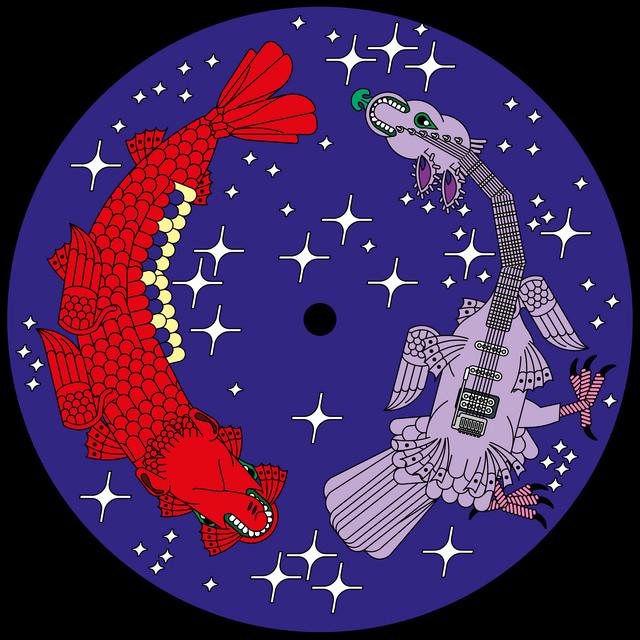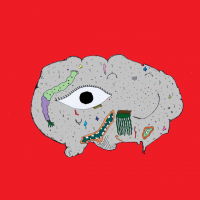
mega cat

Rock
Indie Rock
 Viberate Rank: 429439
 Viberate Rank: 429439
 Monthly ListenersFollowers
 Subscribers
 Followers
 Followers
 FansTop Spotify Songs
| Track | 7-Day Streams | |
|---|---|---|
1 | 217 | |
2 | 95 | |
3 | 84 | |
4 | 51 | |
5 | 39 |
Top YouTube VideosMonthly ListenersFeatured in Playlists| Playlist | Followers | |
|---|---|---|
1 |  Seattle Scene The Seane | 4.00K |
2 |  KEXP's Song of the Day 2024 KEXP | 3.42K |
3 |  KEXP Runner Powered Podcast Funky Pickle | 2.08K |
4 |  Sub Pop: Best of the Pacific Northwest Sub Pop | 1.40K |
5 |  Treefort 2024 treefortfest | 1.23K |
Audience| City | Monthly Listeners | |
|---|---|---|
1 | | 83 |
2 | | 19 |
3 |  | 16 |
4 |  | 16 |
5 | | 13 |
See full performance history, audience data, playlist activity, rankings, comparisons, and more in Viberate music analytics. Start with a free trial, then continue with a paid plan.
mega cat’s Spotify Biomega cat is a disembodied multidimensional being most discernibly experienced as sound waves. It was first discovered in a basement home studio in the Central District of Seattle, Washington by audio chemists Aaron Benson (drums, percussion, guitar) Kim West (synthesizer, piano) and Ryan Devlin (bass, guitar.) Upon first encountering mega cat, all three researchers experienced a loss of time, body dissociation, euphoria, and ego death. Reports of holographic thought, enhanced perception, and minor instances of levitation have been widely documented from just one encounter with mega cat. Though the being doesn’t seem to use traditional language to communicate, mega cat transmits instrumental narratives that feel familiar to fans of 20th century science fiction, afro-beat, hip hop, and psychedelic music. In a rare interview, the creature stated “mega cat is mutant. mega cat isn’t done mutating.”
Viberate is a music analytics platform built for A&Rs, artist managers, labels, booking agents, marketers, and artists.
It helps music professionals track artist growth, analyze audience data, monitor playlist activity, compare artists, follow song performance, and identify opportunities across the music market.
Public artist pages provide a free preview of selected artist data. Paid plans provide access to deeper analytics, historical data, charts, comparisons, playlist tools, exports, alerts, reports, and additional professional features.
Yes. Public Viberate artist pages provide selected artist analytics and music data for free.
Viberate also offers a 7-day free trial of the full platform. A credit card is required to start the trial. The trial includes access to the complete product so users can test deeper artist analytics, historical views, playlist insights, comparisons, charts, exports, alerts, and reporting features before choosing a paid plan.
Viberate provides artist analytics across streaming, playlists, social media, video, radio airplay, songs, and audience markets.
Users can analyze Spotify performance, Spotify and Apple Music playlists, YouTube activity, TikTok and Instagram growth, radio spins, song performance, audience locations, demographics, rankings, and overall artist momentum.
Artist profiles also connect to music charts, similar artists, and comparison tools, helping users benchmark performance and evaluate artists in context.
Viberate updates key artist and track data daily.
For followed artists and tracks, selected data is refreshed multiple times per day. This helps teams monitor playlist changes, streaming movement, audience growth, releases, and campaign performance with more current data.
Update frequency can vary depending on the metric and data source.
Yes. Viberate lets users compare up to five artists side by side across streaming, social media, audience, and engagement metrics.
Users can compare fanbase growth, audience demographics, locations, Spotify performance, social metrics, and other artist data over selected time periods.
Artist comparison can be used for A&R scouting, benchmarking, booking decisions, campaign planning, and evaluating artists with similar audiences or market positions.