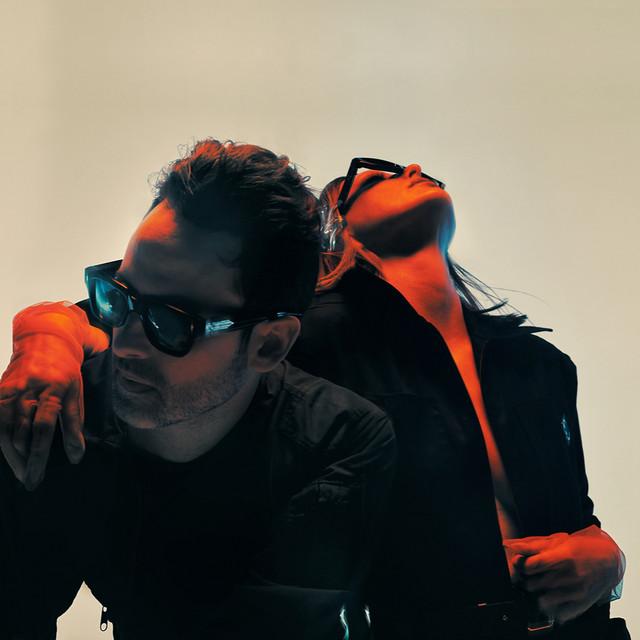
Meg Myers

Rock
Indie Rock
Indie Pop
 Viberate Rank: 17297
 Viberate Rank: 17297
 Monthly ListenersFollowers
 Subscribers
 Followers
 Followers
 FansTop Spotify Songs
| Track | 7-Day Streams | |
|---|---|---|
1 | 386.78K | |
2 | 187.66K | |
3 | 42.70K | |
4 | 15.32K | |
5 | 13.67K |
Top YouTube VideosMonthly ListenersFeatured in Playlists| Playlist | Followers | |
|---|---|---|
1 |  Rock Covers Spotify | 771.17K |
2 |  Dark Romance vibes 🕸️🍷 𝐷𝑖𝑣𝑖𝑛𝑒 | 270.96K |
3 |  Sludge Spotify | 236.91K |
4 |  Hot🔞🔥 chiccarelli | 226.88K |
5 | Dirty songs>>>😍 Lacey | 146.89K |
Audience| City | Monthly Listeners | |
|---|---|---|
1 |  | 14.67K |
2 | | 10.83K |
3 |  | 10.29K |
4 |  | 10.17K |
5 |  | 10.11K |
See full performance history, audience data, playlist activity, rankings, comparisons, and more in Viberate music analytics. Start with a free trial, then continue with a paid plan.
Meg Myers’ Spotify BioMeg Myers third full-length album, TZIA [Sumerian Records], soundtracks a moment of awakening emotionally, sexually, and spiritually in bursts of raw power, electronic fits, alternative experimentation, and jarring pop. She has piled up hundreds of millions of streams across albums such as Sorry [2015] and Take Me To The Disco [2018] highlighted by the likes of “Desire,” “Sorry,” “Numb,” and “Make A Shadow.” Along the way, she has canvased the country alongside the Pixies, Alt-J, Alanis Morissette, My Chemical Romance, Royal Blood, Smashing Pumpkins, and Jane’s Addiction in addition to igniting Jimmy Kimmel LIVE! and gracing the bills of Coachella, Lollapalooza, and Governors Ball. Pre-Stranger Things, she breathed fire into Kate Bush’s “Running Up That Hill” with a stunning rendition initially introduced on NPR Tiny Desk. The cover made history by capturing #1 on the Billboard Alternative Chart 42 weeks after its release. She’s also earned the praise of Billboard, Cosmopolitan,… GRAMMY.com, Nylon, Rolling Stone, and more. Beginning in 2019, she crafted the bulk of what would become TZIA at home in Los Angeles with just a piano, guitar, and ukulele before rounding out the process with collaborators such as Andy D. Park, Thomas Powers, and Mike Elizondo. Now, she kicks off this era with “ME” and more to come.
Viberate is a music analytics platform built for A&Rs, artist managers, labels, booking agents, marketers, and artists.
It helps music professionals track artist growth, analyze audience data, monitor playlist activity, compare artists, follow song performance, and identify opportunities across the music market.
Public artist pages provide a free preview of selected artist data. Paid plans provide access to deeper analytics, historical data, charts, comparisons, playlist tools, exports, alerts, reports, and additional professional features.
Yes. Public Viberate artist pages provide selected artist analytics and music data for free.
Viberate also offers a 7-day free trial of the full platform. A credit card is required to start the trial. The trial includes access to the complete product so users can test deeper artist analytics, historical views, playlist insights, comparisons, charts, exports, alerts, and reporting features before choosing a paid plan.
Viberate provides artist analytics across streaming, playlists, social media, video, radio airplay, songs, and audience markets.
Users can analyze Spotify performance, Spotify and Apple Music playlists, YouTube activity, TikTok and Instagram growth, radio spins, song performance, audience locations, demographics, rankings, and overall artist momentum.
Artist profiles also connect to music charts, similar artists, and comparison tools, helping users benchmark performance and evaluate artists in context.
Viberate updates key artist and track data daily.
For followed artists and tracks, selected data is refreshed multiple times per day. This helps teams monitor playlist changes, streaming movement, audience growth, releases, and campaign performance with more current data.
Update frequency can vary depending on the metric and data source.
Yes. Viberate lets users compare up to five artists side by side across streaming, social media, audience, and engagement metrics.
Users can compare fanbase growth, audience demographics, locations, Spotify performance, social metrics, and other artist data over selected time periods.
Artist comparison can be used for A&R scouting, benchmarking, booking decisions, campaign planning, and evaluating artists with similar audiences or market positions.