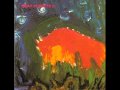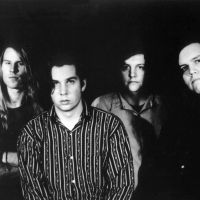
Meat Puppets

Rock
Alternative Rock
 Viberate Rank: 38059
 Viberate Rank: 38059
 Monthly ListenersFollowers
 Subscribers
 Followers
 Followers
 FansTop Spotify Songs
| Track | 7-Day Streams | |
|---|---|---|
1 | 110.45K | |
2 | 18.20K | |
3 | 16.70K | |
4 | 11.42K | |
5 | 8.65K |
Top YouTube Videos| Video | 7-Day Views | |
|---|---|---|
1 | 21.73K | |
2 | 1.55K | |
3 | 1.25K | |
4 | 1.12K | |
5 | 641 |
Monthly ListenersFeatured in Playlists| Playlist | Followers | |
|---|---|---|
1 |  90s Rock Drive Spotify | 532.85K |
2 |  Cranked Up Spotify | 187.71K |
3 |  The Ultimate Divorced Dad Rock Playlist Skoopa76 | 141.41K |
4 | Best '90s Rock Playlist LUMA | 129.09K |
5 | 90s One Hit Wonders Mike Zaken | 92.11K |
Audience| City | Monthly Listeners | |
|---|---|---|
1 | | 6.88K |
2 | | 5.09K |
3 | | 4.97K |
4 | | 4.60K |
5 | | 4.23K |
See full performance history, audience data, playlist activity, rankings, comparisons, and more in Viberate music analytics. Start with a free trial, then continue with a paid plan.
Meat Puppets’ Spotify BioThe Meat Puppets’ story begins with three kids, enamored of music and immersed in the psychedelic drug culture of Arizona in the ’70s, who find their way to punk rock and painstakingly become one of the most important bands of the American underground.
At their induction into the Arizona Music & Entertainment Hall of Fame in 2017, the original lineup of the Meat Puppets – brothers Cris and Curt Kirkwood and drummer Derrick Bostrom - joined together onstage for the first time in over two decades.
Since the band debuted in the early ’80s, Curt Kirkwood has continually proven himself to be among the most brilliant songwriters of his generation. Time after time, album after album, he’s demonstrated an extraordinary ability to draw upon various roots and rock styles en route to a unique new vision of what the Meat Puppets can be. His latest contributions, especially songs such as “Warranty,” “On,” “Nine Pins,” “Outflow” could be forgotten gems from Nashville, Bakersfield and Laurel Canyon.
“Th…e band has been a really, really deep font of creativity,” Derrick said. “Love it or hate it, hit or miss, Curt is just prodigious. They are still living the rock lifestyle; they’re not doing it by half measures. They stayed on the road. These guys are uncompromising. I consider the Meat Puppets to be a national treasure.”
Viberate is a music analytics platform built for A&Rs, artist managers, labels, booking agents, marketers, and artists.
It helps music professionals track artist growth, analyze audience data, monitor playlist activity, compare artists, follow song performance, and identify opportunities across the music market.
Public artist pages provide a free preview of selected artist data. Paid plans provide access to deeper analytics, historical data, charts, comparisons, playlist tools, exports, alerts, reports, and additional professional features.
Yes. Public Viberate artist pages provide selected artist analytics and music data for free.
Viberate also offers a 7-day free trial of the full platform. A credit card is required to start the trial. The trial includes access to the complete product so users can test deeper artist analytics, historical views, playlist insights, comparisons, charts, exports, alerts, and reporting features before choosing a paid plan.
Viberate provides artist analytics across streaming, playlists, social media, video, radio airplay, songs, and audience markets.
Users can analyze Spotify performance, Spotify and Apple Music playlists, YouTube activity, TikTok and Instagram growth, radio spins, song performance, audience locations, demographics, rankings, and overall artist momentum.
Artist profiles also connect to music charts, similar artists, and comparison tools, helping users benchmark performance and evaluate artists in context.
Viberate updates key artist and track data daily.
For followed artists and tracks, selected data is refreshed multiple times per day. This helps teams monitor playlist changes, streaming movement, audience growth, releases, and campaign performance with more current data.
Update frequency can vary depending on the metric and data source.
Yes. Viberate lets users compare up to five artists side by side across streaming, social media, audience, and engagement metrics.
Users can compare fanbase growth, audience demographics, locations, Spotify performance, social metrics, and other artist data over selected time periods.
Artist comparison can be used for A&R scouting, benchmarking, booking decisions, campaign planning, and evaluating artists with similar audiences or market positions.