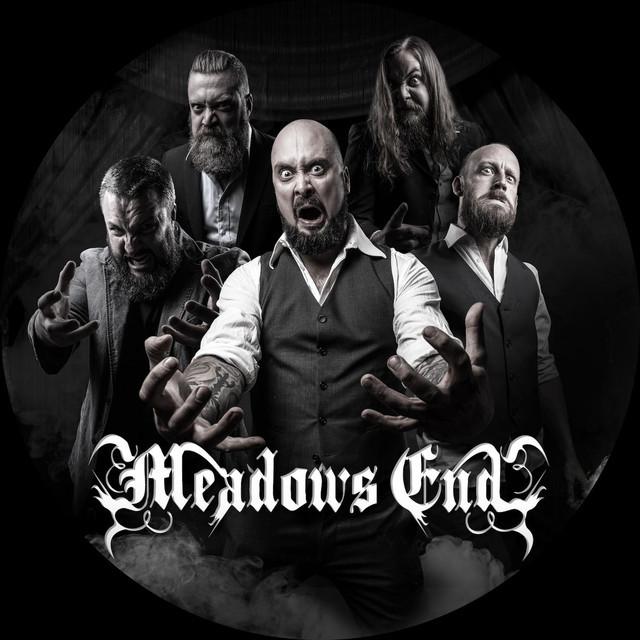
Meadows End

Metal
Death Metal
Symphonic Metal
 Viberate Rank: 282412
 Viberate Rank: 282412
 Monthly ListenersFollowers
 Subscribers
 Followers
 Followers
 FansTop Spotify Songs
| Track | 7-Day Streams | |
|---|---|---|
1 | 165 | |
2 | 77 | |
3 | 76 | |
4 | 44 | |
5 | 36 |
Top YouTube VideosMonthly ListenersFeatured in Playlists| Playlist | Followers | |
|---|---|---|
1 | Viking/Celtic/Folk Metal Jordan Linn | 26.70K |
2 | Death Metal Mix 2025 Robin Hassel | 7.44K |
3 | Stanislav Gusakov | 6.03K |
4 | Connor Thornhill | 5.88K |
5 |  Symphonic Death Metal Alex Rabets - vox Set To Hate | 5.33K |
Audience| City | Monthly Listeners | |
|---|---|---|
1 | | 26 |
2 | | 23 |
3 |  | 13 |
4 |  | 13 |
5 |  | 12 |
See full performance history, audience data, playlist activity, rankings, comparisons, and more in Viberate music analytics. Start with a free trial, then continue with a paid plan.
Meadows End’s Spotify BioSymphonic/Melodic Death from Sweden.
Meadows End is a hard hitting act that emphasises on a heavy groove combined with orchestrated atmospheres and mesmerizing melodies.
Meadows End started out in 1997 by playing live and entering the studio to record a few demos. Between 2000 and 2009 the band struggled with inactivity & band members coming and going. During that period, four different demos and EP:s were released.
Eventually pace was found and with a complete line up for the first time in many years, the first full length album Ode to Quietus (2010) was released. After much collaboration with YouTuber Ed 'Infidel Amsterdam' Veter the band caught the eyes of a wider audience and a music video together with fans was put together for the song Devilspeed Loathekill. The second album The Sufferwell was released in 2014.
During 2015, Meadows End decided to revive their old concept songs from the demo era and re-record them, leading to the release of Sojourn in 2016. The songs were released… one at a time each month on YouTube, building up a constant flow of the epic Sojourn saga.
In 2018, Meadows End signed with Black Lion Records and their fourth album The Grand Antiquation was released March 08 2019.
- https://www.meadowsend.org
- https://www.facebook.com/meadowsend
Viberate is a music analytics platform built for A&Rs, artist managers, labels, booking agents, marketers, and artists.
It helps music professionals track artist growth, analyze audience data, monitor playlist activity, compare artists, follow song performance, and identify opportunities across the music market.
Public artist pages provide a free preview of selected artist data. Paid plans provide access to deeper analytics, historical data, charts, comparisons, playlist tools, exports, alerts, reports, and additional professional features.
Yes. Public Viberate artist pages provide selected artist analytics and music data for free.
Viberate also offers a 7-day free trial of the full platform. A credit card is required to start the trial. The trial includes access to the complete product so users can test deeper artist analytics, historical views, playlist insights, comparisons, charts, exports, alerts, and reporting features before choosing a paid plan.
Viberate provides artist analytics across streaming, playlists, social media, video, radio airplay, songs, and audience markets.
Users can analyze Spotify performance, Spotify and Apple Music playlists, YouTube activity, TikTok and Instagram growth, radio spins, song performance, audience locations, demographics, rankings, and overall artist momentum.
Artist profiles also connect to music charts, similar artists, and comparison tools, helping users benchmark performance and evaluate artists in context.
Viberate updates key artist and track data daily.
For followed artists and tracks, selected data is refreshed multiple times per day. This helps teams monitor playlist changes, streaming movement, audience growth, releases, and campaign performance with more current data.
Update frequency can vary depending on the metric and data source.
Yes. Viberate lets users compare up to five artists side by side across streaming, social media, audience, and engagement metrics.
Users can compare fanbase growth, audience demographics, locations, Spotify performance, social metrics, and other artist data over selected time periods.
Artist comparison can be used for A&R scouting, benchmarking, booking decisions, campaign planning, and evaluating artists with similar audiences or market positions.