McRad

Punk
Hardcore Punk
Skate Punk
 Viberate Rank: 307648
 Viberate Rank: 307648
 Monthly ListenersFollowers
 Subscribers
 Followers
 Followers
 FansTop Spotify Songs
| Track | 7-Day Streams | |
|---|---|---|
1 | 5.01K | |
2 | 430 | |
3 | 327 | |
4 | 214 | |
5 | 200 |
Top YouTube VideosMonthly ListenersFeatured in Playlists| Playlist | Followers | |
|---|---|---|
1 |  NTS Radio Collection Jesse de Wit | 14.55K |
2 |  Skate 2 Soundtrack DYLAN LOGAN. | 14.52K |
3 | The ULTIMATE Skate Punk and Punk Rock Playlist Pizza with Film | 12.95K |
4 | SKATE 2 SOUNDTRACK Gustav Motte | 4.93K |
5 |  Punk Rock Radio Nick Worthington | 4.83K |
Audience| City | Monthly Listeners | |
|---|---|---|
1 |  | 228 |
2 | | 208 |
3 |  | 178 |
4 | | 160 |
5 | | 132 |
See full performance history, audience data, playlist activity, rankings, comparisons, and more in Viberate music analytics. Start with a free trial, then continue with a paid plan.
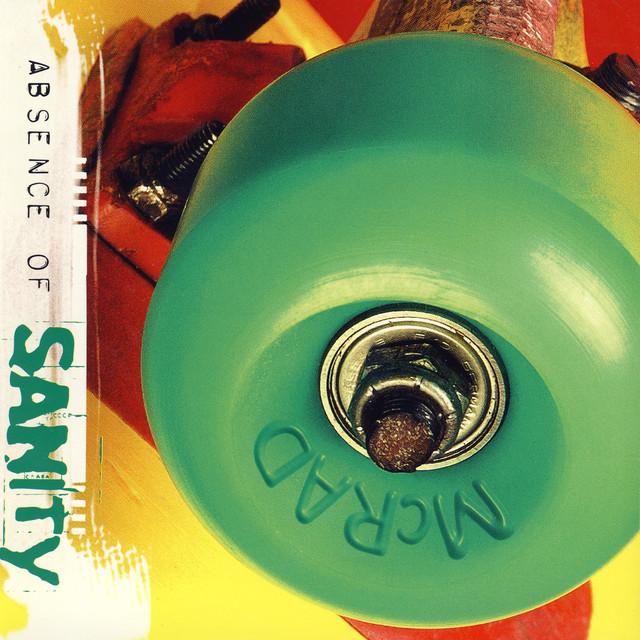
McRad’s Spotify BioLike Bad Brains, McRad started as an '80s hardcore band that specialized in speed punk and dabbled in metal, reggae, and jazz. As the sport of skateboarding became increasingly popular, they became favorites in the West Coast scene, despite their roots in Philly. In 1982, soon after skater Chuck Treece became sponsored (with the help of Bones Brigade mastermind Stacy Peralta), he formed the hardcore punk group McRad with fellow skater Zeke Zagar. The skate world and the band's thrashing music intersected after Beware Records released the band's first LP, Absence of Sanity, in 1987 and Powell Peralta used a few songs for a soundtrack used in the Savannah Slamma Contest. From there, Peralta invited Treece to do music for the skate videos Ban This, Propaganda, and Public Domain. The last was a street-skate sensation that gave the band major exposure, featuring the songs "Weakness" and "McShred" played over black-and-white footage of teen prodigies Ray Barbee, Steve Saiz, and Eric… Sanderson ollieing down staircases and over fire hydrants. With the decline of Treece's professional skate career, the band devolved, and when Bad Brains frontman H.R. left the band in 1989, Treece auditioned; although he didn't get the spot, he did gain a friendship with the band and filled in for drummer Mackie Jayson when he left the Brains a few years later. After three tours, he spent his time in the groups Urge Overkill, Underdog, and the Mosquitoes while working as a session musician and pursuing solo endeavors. In 2007, the band returned with FDR, named after one of Treece's favorite Philadelphia skate locations. ~ Jason Lymangrover, Rovi
Viberate is a music analytics platform built for A&Rs, artist managers, labels, booking agents, marketers, and artists.
It helps music professionals track artist growth, analyze audience data, monitor playlist activity, compare artists, follow song performance, and identify opportunities across the music market.
Public artist pages provide a free preview of selected artist data. Paid plans provide access to deeper analytics, historical data, charts, comparisons, playlist tools, exports, alerts, reports, and additional professional features.
Yes. Public Viberate artist pages provide selected artist analytics and music data for free.
Viberate also offers a 7-day free trial of the full platform. A credit card is required to start the trial. The trial includes access to the complete product so users can test deeper artist analytics, historical views, playlist insights, comparisons, charts, exports, alerts, and reporting features before choosing a paid plan.
Viberate provides artist analytics across streaming, playlists, social media, video, radio airplay, songs, and audience markets.
Users can analyze Spotify performance, Spotify and Apple Music playlists, YouTube activity, TikTok and Instagram growth, radio spins, song performance, audience locations, demographics, rankings, and overall artist momentum.
Artist profiles also connect to music charts, similar artists, and comparison tools, helping users benchmark performance and evaluate artists in context.
Viberate updates key artist and track data daily.
For followed artists and tracks, selected data is refreshed multiple times per day. This helps teams monitor playlist changes, streaming movement, audience growth, releases, and campaign performance with more current data.
Update frequency can vary depending on the metric and data source.
Yes. Viberate lets users compare up to five artists side by side across streaming, social media, audience, and engagement metrics.
Users can compare fanbase growth, audience demographics, locations, Spotify performance, social metrics, and other artist data over selected time periods.
Artist comparison can be used for A&R scouting, benchmarking, booking decisions, campaign planning, and evaluating artists with similar audiences or market positions.