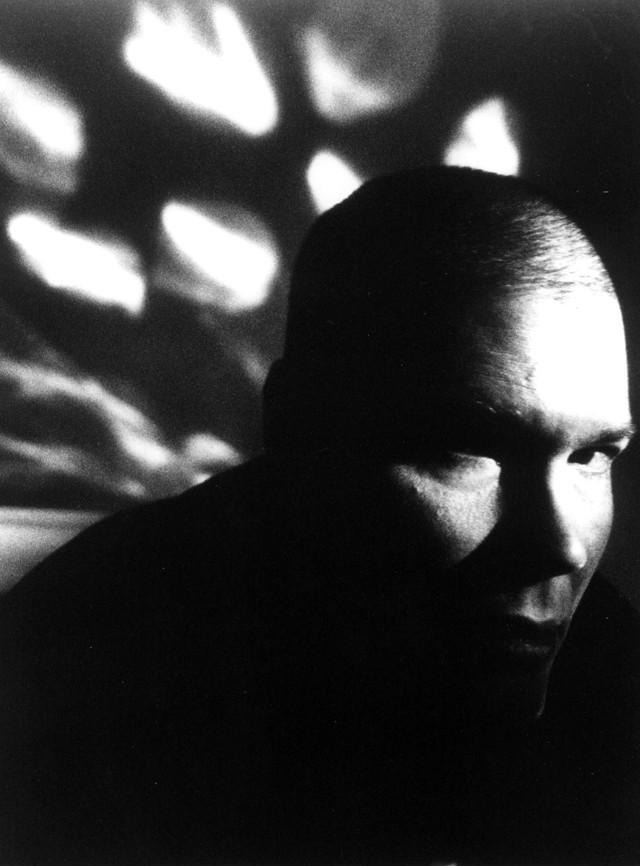
MC 900 Ft. Jesus

Hip Hop
Contemporary Hip Hop
Alternative Hip Hop
 Viberate Rank: 176022
 Viberate Rank: 176022
 Monthly ListenersFollowers
 Subscribers
 Followers
 Followers
 FansTop Spotify Songs
| Track | 7-Day Streams | |
|---|---|---|
1 | 4.53K | |
2 | 3.47K | |
3 | 1.43K | |
4 | 1.42K | |
5 | 958 |
Top YouTube VideosMonthly ListenersFeatured in Playlists| Playlist | Followers | |
|---|---|---|
1 |  Thirteen playlist★。゜☆ Klucha | 55.10K |
2 |  Perks of Being a Wallflower Devan | 39.91K |
3 |  Las ventajas de ser invisible / The Perks of Being a Wallflower Rodrigo Gr | 17.98K |
4 |  Ekdom's Platenkast Gerard Ekdom | 16.15K |
5 |  Living In My Headphones James Lavelle (UNKLE) | 16.04K |
Audience| City | Monthly Listeners | |
|---|---|---|
1 |  | 477 |
2 | | 475 |
3 | | 432 |
4 | | 430 |
5 | | 381 |
See full performance history, audience data, playlist activity, rankings, comparisons, and more in Viberate music analytics. Start with a free trial, then continue with a paid plan.
MC 900 Ft. Jesus’ Spotify BioTaking the name MC 900 Ft. Jesus from an Oral Roberts' sermon, the Dallas native Mark Griffin began recording in the late '80s. MC 900 Ft. Jesus' first records were bracing fusions of hip-hop, industrial, and spoken word, with hints of jazz. He became a favorite on college radio with his 1990 debut, Hell With the Lid Off, and 1991's Welcome to My Dream, yet he never established much more than a cult following. Laying low for a couple years, MC 900 Ft. Jesus returned with his most popular record to date in 1994, One Step Ahead of the Spider. Featuring the hit single "If I Only Had a Brain," the record was calmer than his earlier work, incorporating more elements of jazz and funk; it was a hit on both alternative radio and MTV. ~ Stephen Thomas Erlewine, Rovi
Viberate is a music analytics platform built for A&Rs, artist managers, labels, booking agents, marketers, and artists.
It helps music professionals track artist growth, analyze audience data, monitor playlist activity, compare artists, follow song performance, and identify opportunities across the music market.
Public artist pages provide a free preview of selected artist data. Paid plans provide access to deeper analytics, historical data, charts, comparisons, playlist tools, exports, alerts, reports, and additional professional features.
Yes. Public Viberate artist pages provide selected artist analytics and music data for free.
Viberate also offers a 7-day free trial of the full platform. A credit card is required to start the trial. The trial includes access to the complete product so users can test deeper artist analytics, historical views, playlist insights, comparisons, charts, exports, alerts, and reporting features before choosing a paid plan.
Viberate provides artist analytics across streaming, playlists, social media, video, radio airplay, songs, and audience markets.
Users can analyze Spotify performance, Spotify and Apple Music playlists, YouTube activity, TikTok and Instagram growth, radio spins, song performance, audience locations, demographics, rankings, and overall artist momentum.
Artist profiles also connect to music charts, similar artists, and comparison tools, helping users benchmark performance and evaluate artists in context.
Viberate updates key artist and track data daily.
For followed artists and tracks, selected data is refreshed multiple times per day. This helps teams monitor playlist changes, streaming movement, audience growth, releases, and campaign performance with more current data.
Update frequency can vary depending on the metric and data source.
Yes. Viberate lets users compare up to five artists side by side across streaming, social media, audience, and engagement metrics.
Users can compare fanbase growth, audience demographics, locations, Spotify performance, social metrics, and other artist data over selected time periods.
Artist comparison can be used for A&R scouting, benchmarking, booking decisions, campaign planning, and evaluating artists with similar audiences or market positions.