Maxwell Powers

Electronic
Downtempo
Indie Pop
 Viberate Rank: 490512
 Viberate Rank: 490512
 Monthly ListenersFollowers
 Subscribers
 Followers
 Followers
 FansTop Spotify SongsTop YouTube Videos
| Video | 7-Day Views | |
|---|---|---|
1 | 12 | |
2 | 3 | |
3 | 2 | |
4 | 1 | |
5 | 1 |
Monthly ListenersFeatured in PlaylistsAudience| City | Monthly Listeners | |
|---|---|---|
1 |  | 2 |
2 |  | 2 |
3 | | 1 |
4 | | 1 |
5 | | 1 |
See full performance history, audience data, playlist activity, rankings, comparisons, and more in Viberate music analytics. Start with a free trial, then continue with a paid plan.
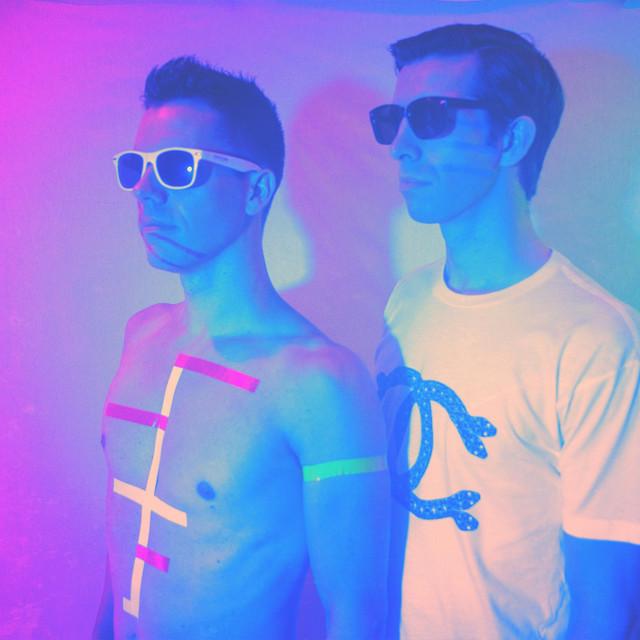
Maxwell Powers’ Spotify BioOne summer night in 2011, Maxwell Powers emerged from the ether, keytar glistening in the pale moonlight. He proceeded to pour forth a series of YouTube videos combining synth driven indie pop and no-budget filming to tell stories of life, love and the occasional existential crisis. The releases garnered a cult-like following. His videos have been played over a million times and humanity has spent a collective year listening to his music.
The 2017 EP 6 Things represents Powers’ first thematically collected release. Powers describes the album as deeply personal, dealing with open relationships (“Love (How Far?)”), experiencing the feeling of death during an Ayahuasca trip (“Death (It Feels Alright)”), and experiencing disillusionment after the 2016 election (“Hope (An Echo)”).” While 6 Things continues the retro-synth infused pop thread of earlier work, it also incorporates broader influences, most notably chill-wave and psychedelic rock. It ventures shamelessly into vocal manipulation,… from vocoders to octave pitching to autotuning. The dozens of voices that appear on the album are all facets of the singular Maxwell.
While Powers recorded the entire album entirely in the corner of his living room, he collaborated with two veteran Bay Area Engineers/Producers: Mikael Eldridge (Tycho, DJ Shadow) and Sean Beresford (Run DMC, Third Eye Blind). The result is a sonically rich and diverse journey that is instantly catchy, and rewards deeper listening.
Viberate is a music analytics platform built for A&Rs, artist managers, labels, booking agents, marketers, and artists.
It helps music professionals track artist growth, analyze audience data, monitor playlist activity, compare artists, follow song performance, and identify opportunities across the music market.
Public artist pages provide a free preview of selected artist data. Paid plans provide access to deeper analytics, historical data, charts, comparisons, playlist tools, exports, alerts, reports, and additional professional features.
Yes. Public Viberate artist pages provide selected artist analytics and music data for free.
Viberate also offers a 7-day free trial of the full platform. A credit card is required to start the trial. The trial includes access to the complete product so users can test deeper artist analytics, historical views, playlist insights, comparisons, charts, exports, alerts, and reporting features before choosing a paid plan.
Viberate provides artist analytics across streaming, playlists, social media, video, radio airplay, songs, and audience markets.
Users can analyze Spotify performance, Spotify and Apple Music playlists, YouTube activity, TikTok and Instagram growth, radio spins, song performance, audience locations, demographics, rankings, and overall artist momentum.
Artist profiles also connect to music charts, similar artists, and comparison tools, helping users benchmark performance and evaluate artists in context.
Viberate updates key artist and track data daily.
For followed artists and tracks, selected data is refreshed multiple times per day. This helps teams monitor playlist changes, streaming movement, audience growth, releases, and campaign performance with more current data.
Update frequency can vary depending on the metric and data source.
Yes. Viberate lets users compare up to five artists side by side across streaming, social media, audience, and engagement metrics.
Users can compare fanbase growth, audience demographics, locations, Spotify performance, social metrics, and other artist data over selected time periods.
Artist comparison can be used for A&R scouting, benchmarking, booking decisions, campaign planning, and evaluating artists with similar audiences or market positions.