Max Raptor

Punk
Punk Rock
Pop Punk
 Viberate Rank: 283540
 Viberate Rank: 283540
 Monthly ListenersFollowers
 Subscribers
 Followers
 Followers
 FansTop Spotify Songs
| Track | 7-Day Streams | |
|---|---|---|
1 | 747 | |
2 | 692 | |
3 | 375 | |
4 | 215 | |
5 | 188 |
Top YouTube VideosMonthly ListenersFeatured in Playlists| Playlist | Followers | |
|---|---|---|
1 |  Pop Punk / Punk Rock 👩🏻🎤 olospo | 17.98K |
2 |  /r/Fitness #1 workout/lifting songs Willem Vernooij | 5.52K |
3 |  PunkRock Henk Lankamp | 5.31K |
4 | Rock 120 BPM catofhell | 2.16K |
5 | Hardcore / Metal / Rock 1158579226 | 1.64K |
Audience| City | Monthly Listeners | |
|---|---|---|
1 | | 210 |
2 | | 90 |
3 |  | 84 |
4 | | 79 |
5 | | 74 |
See full performance history, audience data, playlist activity, rankings, comparisons, and more in Viberate music analytics. Start with a free trial, then continue with a paid plan.
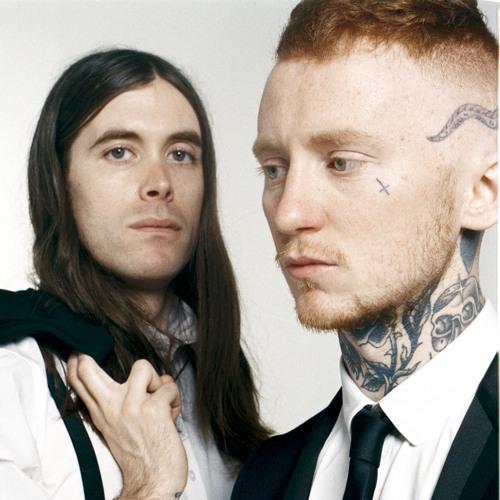
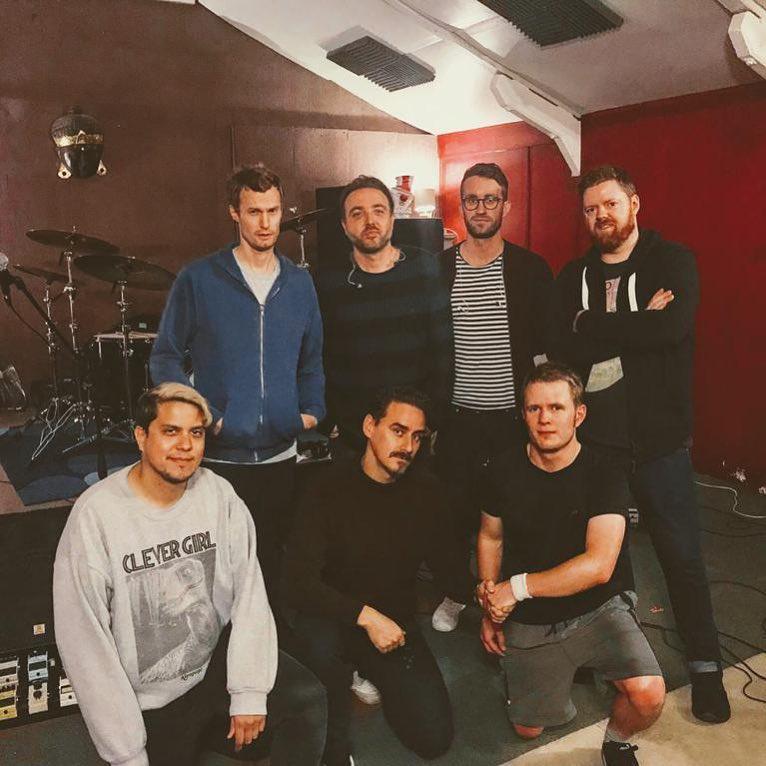
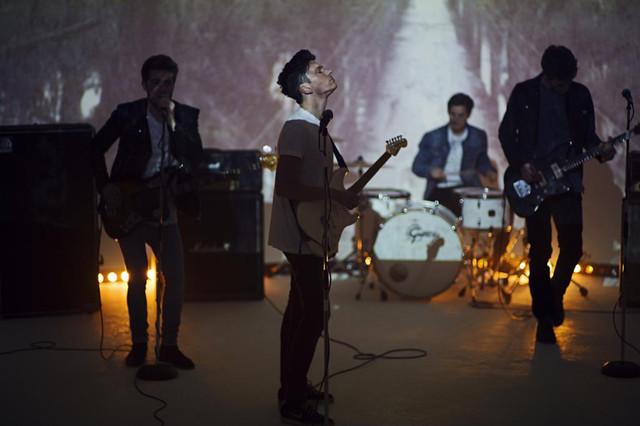
Max Raptor’s Spotify BioFour-piece punk rock outfit Max Raptor derived their name from the Guatemalan god associated with smoking and drinking, Maximón. All members of the band hail from a village in the Midlands, U.K. named Burton-on-Trent; they first met while attending the same school in the area. The band itself was formed in 2006, and consisted of Wil Ray (vocals), Matt Stevenson (bass), JB Wilcox (guitar), and Tom Garrett (drums). With a combination of accessible punk rock and socially aware lyrics, Max Raptor quickly gained a loyal fan base, and by 2009 was asked to support Billy Talent on tour; this was followed in 2010 by another support slot for the Stranglers. For their debut release in 2011, they came forth with a mini-album titled Portraits, but soon after it was released, Wilcox became a father and left the band, and Garrett followed suit to pursue his interest in other musical genres.
Leading up to the debut full-length album, Mothers Ruin, in 2013, Ben Winnington and Pete Reisner were brought… into the fold, on drums and guitar, respectively. By 2015, they had signed to independent punk label Hassle Records. To celebrate the move, they released the Damage Appreciation EP, quickly followed in 2016 with a self-titled album. ~ Liam Martin, Rovi
Viberate is a music analytics platform built for A&Rs, artist managers, labels, booking agents, marketers, and artists.
It helps music professionals track artist growth, analyze audience data, monitor playlist activity, compare artists, follow song performance, and identify opportunities across the music market.
Public artist pages provide a free preview of selected artist data. Paid plans provide access to deeper analytics, historical data, charts, comparisons, playlist tools, exports, alerts, reports, and additional professional features.
Yes. Public Viberate artist pages provide selected artist analytics and music data for free.
Viberate also offers a 7-day free trial of the full platform. A credit card is required to start the trial. The trial includes access to the complete product so users can test deeper artist analytics, historical views, playlist insights, comparisons, charts, exports, alerts, and reporting features before choosing a paid plan.
Viberate provides artist analytics across streaming, playlists, social media, video, radio airplay, songs, and audience markets.
Users can analyze Spotify performance, Spotify and Apple Music playlists, YouTube activity, TikTok and Instagram growth, radio spins, song performance, audience locations, demographics, rankings, and overall artist momentum.
Artist profiles also connect to music charts, similar artists, and comparison tools, helping users benchmark performance and evaluate artists in context.
Viberate updates key artist and track data daily.
For followed artists and tracks, selected data is refreshed multiple times per day. This helps teams monitor playlist changes, streaming movement, audience growth, releases, and campaign performance with more current data.
Update frequency can vary depending on the metric and data source.
Yes. Viberate lets users compare up to five artists side by side across streaming, social media, audience, and engagement metrics.
Users can compare fanbase growth, audience demographics, locations, Spotify performance, social metrics, and other artist data over selected time periods.
Artist comparison can be used for A&R scouting, benchmarking, booking decisions, campaign planning, and evaluating artists with similar audiences or market positions.