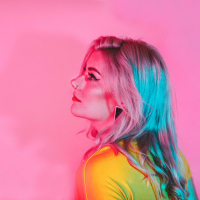
Max Marshall

Pop
Mainstream Pop
Contemporary R&B
 Viberate Rank: 95857
 Viberate Rank: 95857
 Monthly ListenersFollowers
 Subscribers
 Followers
 Followers
 FansTop Spotify Songs
| Track | 7-Day Streams | |
|---|---|---|
1 | 75.74K | |
2 | 61.08K | |
3 | 40.88K | |
4 | 11.12K | |
5 | 6.74K |
Top YouTube Videos| Video | 7-Day Views | |
|---|---|---|
1 | 2.95K | |
2 | 2.04K | |
3 | 1.15K | |
4 | 1.09K | |
5 | 594 |
Monthly ListenersFeatured in Playlists| Playlist | Followers | |
|---|---|---|
1 |  Summer Bangers Spotify | 763.96K |
2 |  Workout Mix HITS | 397.03K |
3 |  Drum and Bass 2026 Discover Records | 315.39K |
4 |  DnB 2026 | Best Drum & Bass Bangers Discover DnB | 176.85K |
5 |  THIS IS HOUSE 2023 THIS IS | 132.05K |
Audience| City | Monthly Listeners | |
|---|---|---|
1 |  | 7.96K |
2 | | 5.86K |
3 | | 2.80K |
4 | | 2.34K |
5 |  | 2.06K |
See full performance history, audience data, playlist activity, rankings, comparisons, and more in Viberate music analytics. Start with a free trial, then continue with a paid plan.
Max Marshall’s Spotify BioBorn and raised in Baltimore, Max Marshall studied fashion before moving to London to launch her music career. The daughter of a theater teacher -- whose students included Tupac Shakur -- and a tour agent whose bus was regularly hired by big-name acts such as Ashford & Simpson and Earth, Wind & Fire, in her youth she often saw those artists perform and got to meet them backstage, sparking the desire to become a performer herself. After her mother bought her a guitar, she began writing songs and traveling to music conventions, at one of which she met and was encouraged in her career choice by rapper Beanie Sigel.
After studying fashion in Philadelphia, Marshall decided to move to London at the age of 18, working in fashion as a designer and seamstress -- including a stint with Charlie le Mindu designing wigs for Lady Gaga -- while attempting to get her foot in the door of the music business. Her mixtape Forgive Me and 2013 debut single "Don't Trip" drew comparisons to neo-soul artists… like Jill Scott and Erykah Badu, but the Pressure EP had a more electronic, dance-oriented sound. It drew the attention of stadium drum'n'bass duo Matrix & Futurebound, who recruited Marshall to sing lead vocals on their single "Control," which peaked at number six on the U.K. singles chart in January 2014, giving Marshall her first real hit. She also began work on an album that was more guitar-based and would showcase her folk, country, and indie influences. ~ John D. Buchanan, Rovi
Viberate is a music analytics platform built for A&Rs, artist managers, labels, booking agents, marketers, and artists.
It helps music professionals track artist growth, analyze audience data, monitor playlist activity, compare artists, follow song performance, and identify opportunities across the music market.
Public artist pages provide a free preview of selected artist data. Paid plans provide access to deeper analytics, historical data, charts, comparisons, playlist tools, exports, alerts, reports, and additional professional features.
Yes. Public Viberate artist pages provide selected artist analytics and music data for free.
Viberate also offers a 7-day free trial of the full platform. A credit card is required to start the trial. The trial includes access to the complete product so users can test deeper artist analytics, historical views, playlist insights, comparisons, charts, exports, alerts, and reporting features before choosing a paid plan.
Viberate provides artist analytics across streaming, playlists, social media, video, radio airplay, songs, and audience markets.
Users can analyze Spotify performance, Spotify and Apple Music playlists, YouTube activity, TikTok and Instagram growth, radio spins, song performance, audience locations, demographics, rankings, and overall artist momentum.
Artist profiles also connect to music charts, similar artists, and comparison tools, helping users benchmark performance and evaluate artists in context.
Viberate updates key artist and track data daily.
For followed artists and tracks, selected data is refreshed multiple times per day. This helps teams monitor playlist changes, streaming movement, audience growth, releases, and campaign performance with more current data.
Update frequency can vary depending on the metric and data source.
Yes. Viberate lets users compare up to five artists side by side across streaming, social media, audience, and engagement metrics.
Users can compare fanbase growth, audience demographics, locations, Spotify performance, social metrics, and other artist data over selected time periods.
Artist comparison can be used for A&R scouting, benchmarking, booking decisions, campaign planning, and evaluating artists with similar audiences or market positions.